
Is IVF Painful?, An Honest,
Stage-by-Stage Answer
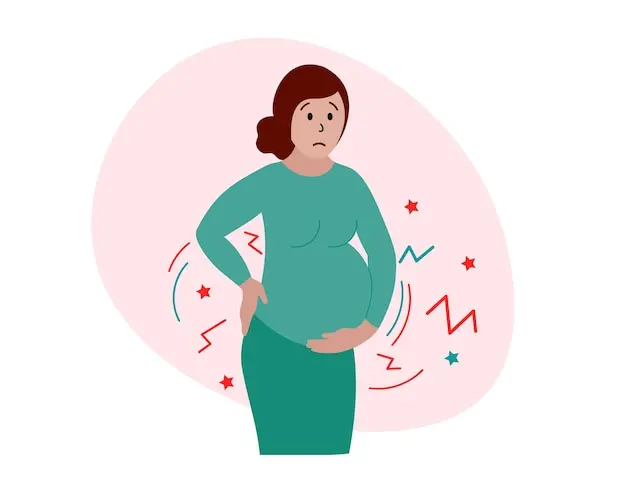
“Will it hurt?” is one of the most common questions before starting IVF. The honest answer is: some stages are mildly uncomfortable, one stage is done under sedation, and the final step is typically painless. Here is exactly what to expect at each stage.
IVF is not pain-free, but it is significantly less painful than most patients expect before starting. The stimulation injections cause a brief sting lasting seconds. The stimulation phase brings hormonal bloating and abdominal heaviness, uncomfortable rather than painful.
Egg retrieval is performed under IV sedation, so you are asleep or deeply sedated and feel nothing. Embryo transfer causes mild, brief cramping comparable to a cervical smear, most patients describe it as barely noticeable.
The most challenging part of IVF for most patients is emotional, the anxiety, hope, and two-week wait, not physical pain.
Honest Assessment
IVF Pain at Every Stage, Honest Assessment
IVF involves multiple distinct phases, each with a different physical experience. Here is a stage-by-stage assessment based on what patients commonly report:
Stage 1- Pre-Treatment Injections & Blood Tests
Before the stimulation cycle begins, you will have blood tests and possibly a pituitary downregulation injection (GnRH agonist). Blood draws are routine. The downregulation injection is subcutaneous (under the skin), a fine needle into the abdomen. Most patients rate this as a 1–2 out of 10 on the pain scale.
Some women experience headaches or mild menopausal-type symptoms (hot flushes, mood changes) from the downregulation medications. These are hormonal side effects, not injections pain.
Stage 2- Ovarian Stimulation (10–14 Days of Injections)
This is the phase most patients worry about most, and the phase where the discomfort is highest, though not from the injections themselves. Daily subcutaneous injections (gonadotropins) use fine needles into the lower abdomen. The sting lasts 5–10 seconds. Most patients rate this 1–3 out of 10.
What causes more discomfort than the injections is the side effects of stimulation: ovaries enlarging (producing 10–20+ follicles instead of 1), causing abdominal bloating, fullness, pelvic pressure, and breast tenderness. This typically peaks in the last 2–3 days before egg retrieval and resolves within days afterwards.
Some women with PCOS are at higher risk of Ovarian Hyperstimulation Syndrome (OHSS), a more uncomfortable response that your doctor will monitor carefully and manage if it develops. Mild OHSS (bloating, nausea) is self-limiting. Severe OHSS is rare with modern protocols.
Stage 3- Egg Retrieval (OPU Procedure)
Egg retrieval (OPU, Ovum Pick Up) is the most invasive step of IVF, a fine needle passes through the vaginal wall into each ovarian follicle to aspirate the eggs. This is done under intravenous (IV) sedation or general anaesthesia at Javitri Hospital, so you are not awake and feel nothing during the procedure.
The procedure takes 15–30 minutes. You will rest in recovery for 1–3 hours while the sedation clears. After the sedation wears off, most women experience cramping similar to period pain, which usually resolves within 24–48 hours with standard pain relief. You return home the same day.
Rarely, some women feel nauseous from the anaesthesia. Your team manages this in the recovery room.
Stage 4- Fertilisation & Embryo Culture (3–5 Days, No Physical Discomfort)
While the embryology lab works, you are at home resting. This stage involves no procedures and no physical discomfort. Most patients feel physically well (or recovering from the OPU) during this period. The experience during these days is primarily emotional, anxious waiting for the fertilisation report and embryo development update from the lab.
If ICSI is used (male factor infertility), it happens in the lab on the same day as egg retrieval, you will not feel anything additional.
Stage 5- Embryo Transfer
Embryo transfer is the step most patients find to be the most anticlimactic, in the best possible way. A thin, soft catheter is guided through the cervix into the uterus under ultrasound guidance. No needles. No incisions. No anaesthesia in most cases.
Most patients describe it as similar to a cervical smear (Pap test), brief, and mildly uncomfortable at most. The embryo transfer typically takes 5–10 minutes. Some women experience mild cramping during or briefly after. You will rest for 15–30 minutes and then go home.
If the cervix is difficult to navigate (cervical stenosis), the procedure may require more preparation or a guided approach, your specialist will discuss this with you in advance.
Stage 6- The Two-Week Wait (14 Days After Transfer)
Physically, the two-week wait is manageable, you will continue progesterone support (injections or vaginal pessaries), which may cause bloating, breast tenderness, and mild pelvic heaviness. These are side effects of the progesterone and do not indicate whether implantation has or has not occurred.
Emotionally, the two-week wait is the most challenging part of IVF for many patients. Every twinge is analysed. Every symptom feels significant. This is completely normal and expected. Having a support system, and realistic expectations about what symptoms mean, helps considerably.
At the end of the two weeks: a blood test (Beta-hCG) gives you the answer.
Pain Summary
IVF Pain Summary – Quick Reference Table
← Swipe to scroll →
| IVF Stage | Pain Level | What It Feels Like | Duration |
|---|---|---|---|
| Stimulation injections | 1–2/10 | Brief sting, like a flu jab | 5–10 seconds per injection |
| Stimulation side effects | 2–4/10 | Bloating, pelvic heaviness, tenderness | Last 2–3 days of stimulation |
| Egg retrieval (during) | 0/10 | Asleep under sedation, nothing felt | 15–30 min, then recovery |
| Egg retrieval (recovery) | 2–3/10 | Period-type cramping | 24–48 hours, manages with paracetamol |
| Embryo transfer | 0–1/10 | Like a cervical smear, brief, mild | 5–10 minutes |
| Two-week wait | Low physical, High emotional | Hormonal bloating, anxious waiting | 14 days |
How to Manage
How to Manage IVF Discomfort, Practical Tips
✅ What Actually Helps
💉For injections:
Let the medication reach room temperature before injecting (reduces sting). Ice the skin for 30 seconds beforehand. Use the slowest possible injection speed. Vary sites to avoid bruising.
🧘For stimulation discomfort:
Wear loose clothing during the stimulation phase. Avoid strenuous exercise (ovaries are enlarged). Rest when needed. Adequate hydration helps with bloating.
💊For post-OPU cramping:
Paracetamol (NOT ibuprofen/NSAIDs, which may affect implantation) is safe and effective for post-retrieval cramping. A warm compress on the abdomen also helps.
🌡️For embryo transfer:
A full bladder during transfer is typically required for ultrasound guidance, some discomfort from this, but it passes immediately after.
💬For emotional wellbeing:
Talk openly with your partner. Set limits on how much you discuss the cycle with well-meaning family. A fertility support group or counselling helps many patients.
🔔Know when to call:
Severe abdominal pain, significant bloating, difficulty breathing, or very low urine output after egg retrieval are signs of OHSS, call your clinic immediately.
Why IVF Feels Worse
The Fear Gap, Why IVF Feels Worse Before You Start
Most patients who complete IVF say that the experience was less physically painful than they feared before starting. The fear gap exists for understandable reasons: IVF involves needles, procedures, and medical environments, all of which the brain interprets as threatening before direct experience.
Fear itself also amplifies pain perception. Studies consistently show that pain anticipation anxiety, not the actual procedure, is what causes patients to rate the experience more negatively before it begins than after. Knowing what to expect in advance (exactly what this article aims to provide) measurably reduces the experience of discomfort during IVF.
Understanding the full IVF process → before your first cycle reduces anxiety, which directly reduces how much discomfort you experience. This is not wishful thinking, it is well-documented in fertility research.
💡 At Javitri Hospital, we dedicate time at the first consultation to walking you through every stage of your IVF cycle in detail, exactly what will happen, what you will feel, and what to watch for. This preparation is part of our approach to patient care. Call +91-99360-68274 to schedule your consultation.
Sign to Contact
When IVF Pain Is a Sign to Contact Your Clinic
Most discomfort in IVF is normal and expected. However, there are specific situations where you should contact your fertility clinic immediately:
- Severe abdominal pain or distension, particularly 3–7 days after egg retrieval, may indicate Ovarian Hyperstimulation Syndrome (OHSS).
- Very reduced urine output after egg retrieval, another sign of OHSS.
- Shortness of breath or chest pain in the days following egg retrieval.
- Fever above 38°C after any procedure.
- Heavy bleeding (more than a normal period) after embryo transfer.
⚠️ If you experience any of the above, do not wait. Call +91-99360-68274 (Javitri Hospital) immediately or go to the nearest emergency room. OHSS is manageable when caught early.
Have Questions About Your IVF Journey?
Speak with Dr. Rajul Tyagi’s team, we answer your questions about what to expect, what to prepare, and whether IVF is the right next step for you.
📋 Contents
- Honest Assessment
- Pain Summary
- How to Manage
- Why IVF Feels Worse
- Sign to Contact
- Frequently Asked Questions
Book a free consultation — call or send a message.
🔗 Related Articles
Is IVF Painful?, Frequently Asked Questions
IVF is not pain-free, but most patients find it significantly less painful than they feared before starting. The stimulation injections sting briefly (seconds). The stimulation phase causes hormonal bloating and pelvic heaviness. Egg retrieval is done under sedation, you feel nothing. Embryo transfer is usually compared to a cervical smear, mild and brief. The most challenging part for most patients is emotional, not physical.
IVF stimulation injections use very fine subcutaneous needles injected into the lower abdomen. Most patients rate the pain as 1–2 out of 10, a brief sting lasting 5–10 seconds, similar to a flu vaccine. Allowing the medication to reach room temperature before injecting, and icing the skin beforehand, helps reduce the sensation.
Egg retrieval at Javitri Hospital is performed under intravenous (IV) sedation, so you are asleep or deeply relaxed and do not feel the procedure at all. After the sedation clears (1–2 hours), some women experience cramping similar to period pain, which resolves within 24–48 hours with paracetamol and rest. You return home the same day.
Embryo transfer is typically the least uncomfortable step in IVF. A thin, flexible catheter is passed through the cervix into the uterus, no needles, no anaesthesia required in most cases. Most patients compare it to a cervical smear, brief and mild. Some women feel fleeting cramping which passes within minutes.
For most patients, the most physically uncomfortable (not painful) phase is the stimulation period, not due to the injections themselves, but due to the side effects: abdominal bloating, pelvic heaviness, and breast tenderness as the ovaries enlarge. This peaks in the 2–3 days before egg retrieval and resolves shortly after. Pain levels remain low to moderate throughout.
Ready to Start IVF at Javitri Hospital, Lucknow?
We’ll walk you through exactly what to expect, before, during, and after each stage. Free consultation available.