First Embryoscope in UP
NABH Accredited
ISAR Certified
RI Witness Lab

Blastocyst Culture and Transfer, The Strongest Embryo. The Best Chance.

At Javitri Hospital, blastocyst culture takes place inside the first Embryoscope centre in Uttar Pradesh, giving our embryologists the deepest insight into each embryo before transfer. As a result, only the most viable blastocyst is selected for your embryo transfer.

Book an Appointment →

First
Embryoscope in UP

RI Witness,
Zero Mix-up

Time-Lapse
Embryo Monitoring

NABH · ISAR · ISO
Certified

3 Clinics,
Lucknow & Kanpur

🪡 Minimally Invasive Procedure
🧪 Expert Semen Preparation
📊 Personalised Ovulation Monitoring
🏆 NABH · ISAR · ISO Certified
📍 3 Clinics, Lucknow & Kanpur

What is Blastocyst Culture and Transfer?

Blastocyst culture and transfer is an IVF technique where embryos are grown for 5–6 days until they reach the blastocyst stage. Only the strongest embryos survive to Day 5, resulting in better implantation rates compared to Day 3 transfers.
At Javitri Hospital, blastocyst culture uses our Embryoscope incubator, the first in UP, photographing every embryo every 15 minutes without disturbance. Consequently, the embryo chosen for transfer has a complete developmental record, not just a single Day 5 snapshot.

Blastocyst Culture — At a Glance
Culture Duration Day 5–6 (Blastocyst)
Standard IVF Culture Day 3 (8-cell embryo)
Monitoring Technology Embryoscope (First in UP)
Monitoring Frequency Every 15 Minutes
Transfer Procedure 5–10 Min, No Anaesthesia
Lab Safety RI Witness System
Lab Certification NABH · ISAR · ISO
Surplus Embryos Vitrified (Frozen)
Pregnancy Test 14 Days After Transfer

Day 3 Embryo vs Day 5 Blastocyst Culture, What Is the Difference?

Standard Approach

Day 3 Embryo Transfer

  • Transfer at the 6–8 cell stage
  • Less time in the lab, reduced culture risk
  • Recommended when fewer embryos are available
  • Embryo quality assessment is more limited at Day 3
  • Lower implantation rate per embryo than blastocysts
  • Often requires transfer of 2+ embryos to compensate

Advanced, Higher Implantation

Day 5 Blastocyst Transfer

  • Transfer at the fully developed blastocyst stage
  • Natural selection, only strongest embryos reach Day 5
  • Recommended when multiple good embryos are available
  • Time-lapse Embryoscope monitoring reveals full development story
  • Higher implantation rate per embryo transferred
  • Single embryo transfer possible, reducing twin risk

Not sure whether Day 3 or Day 5 is right for your cycle? Our embryologists will advise you clearly based on your embryo development on the day.

Contact Us Today

Who Should Consider Blastocyst Culture and Transfer?

1

Endometrial Preparation

Hormone medications prepare the uterine lining. A baseline scan confirms adequate thickness before transfer is scheduled.

2

Blastocyst Selection

On Day 5, our embryologist reviews the Embryoscope time-lapse record of each embryo. Subsequently, the highest-potential blastocyst is selected.

3

Loading the Catheter

The chosen blastocyst is loaded into a fine, soft catheter. This step is performed in the lab immediately before the transfer procedure begins.

4

Transfer into Uterus

Under ultrasound guidance, the catheter is gently guided through the cervix. The blastocyst is released into the uterus, a painless 5–10 minute procedure.

5

Confirm & Support

After embryo transfer, luteal support medications begin. A beta-hCG blood test 14 days later confirms whether the blastocyst has implanted successfully.

What to Expect After Embryo Transfer

The two-week wait after embryo transfer is anxious. Here’s what is normal, and what to watch for.

Normal Symptoms After Embryo Transfer

These experiences are normal and do not indicate a failed cycle.

After Embryo Transfer, Do’s & Don’ts

Do
  • Take all prescribed luteal support medications
  • Resume gentle daily activities the next day
  • Stay hydrated and eat nutritious meals
  • Get adequate rest and reduce stress where possible
  • Contact us if you have any concerns
Avoid
  • Strenuous exercise or heavy lifting
  • Hot baths, saunas, or steam rooms
  • Home pregnancy tests before Day 14
  • Smoking or alcohol consumption
  • Stopping medications without consulting your doctor

Call us immediately if you experience:

Heavy bleeding, severe pain, high fever, or difficulty breathing after embryo transfer. When in doubt, always call, we are available.

The Embryoscope, How It Improves Blastocyst Culture

First Embryoscope Centre in Uttar Pradesh

Standard labs remove embryos daily to assess them, briefly disturbing temperature, oxygen, and CO₂. The Embryoscope keeps embryos sealed and stable, photographing each one every 15 minutes instead.

As a result, our embryologists see every cell division from Day 1 to Day 5, data that fundamentally improves blastocyst selection for embryo transfer.

  • Every 15 min  Embryo photographed
  • Zero  Environment disruption
  • Day 1–5  Complete developmental record
  • 30+ Years of Embryo Transfer Expertise
  • PGT-Ready Blastocyst Biopsies
Blastocyst Culture
📹 Time-Lapse Monitoring Full developmental record from Day 1 to Day 5, not a single daily check.
🌡️ Stable Environment Embryos remain undisturbed in optimal conditions throughout blastocyst culture.
🎯 Superior Selection Cell division timing and patterns guide embryo selection, invisible to daily assessment.
🛡️ RI Witness Safety Every embryo is electronically tagged, complete audited chain of custody to transfer.

Blastocyst Transfer Success Stories

Show videos and give a button to the video page – View All Patient Stories

4.8 Rating on Google | 3,000+ Patient Reviews

Our Google reviews highlight patient experiences with IVF treatment, maternity care, and the support provided by our doctors and staff.

Ask About Blastocyst Culture for Your IVF Cycle

Blastocyst culture may significantly change your outcome,whether you’re planning a first cycle or reviewing a previous one. Speak with our embryologists to know if it’s right for you.

Review of previous cycle embryo quality

Clear recommendation,Day 3 vs Day 5 for your case

Embryoscope monitoring explained in full

After embryo transfer care plan provided

3 convenient clinic locations

Book Free Consultation →

📞 +91-99360-68274 | ✉ info@javitrihospital.co.in | 3 Clinics · Lucknow & Kanpur

Embryo Transfer Specialists at Javitri Hospital

Our internationally trained specialists bring global expertise to Lucknow’s best IVF hospital, combining decades of experience with cutting-edge reproductive medicine.

Dr. Rajul Tyagi

  • Director & Head of Infertility
  • Chief Consultant, IVF & Gynaecology
  • Cleveland Clinic Trained

Dr. Lavanya Tyagi

  • Senior IVF Specialist
  • Infertility & Reproductive Medicine
  • IVF Specialist

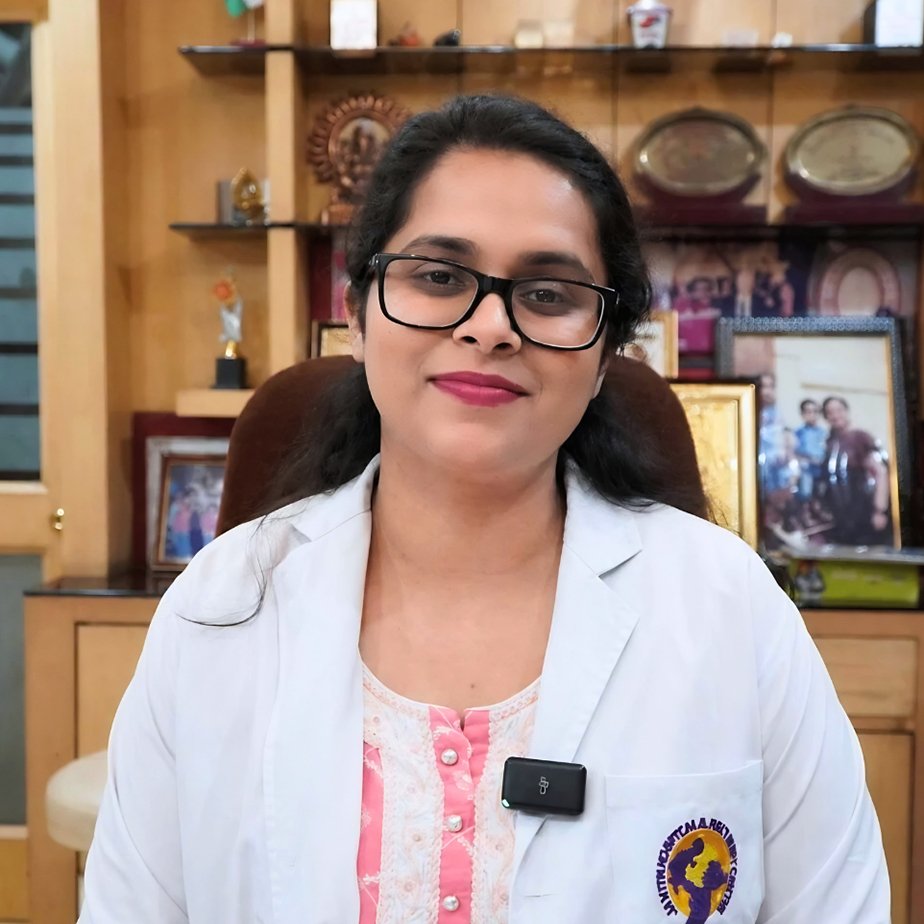
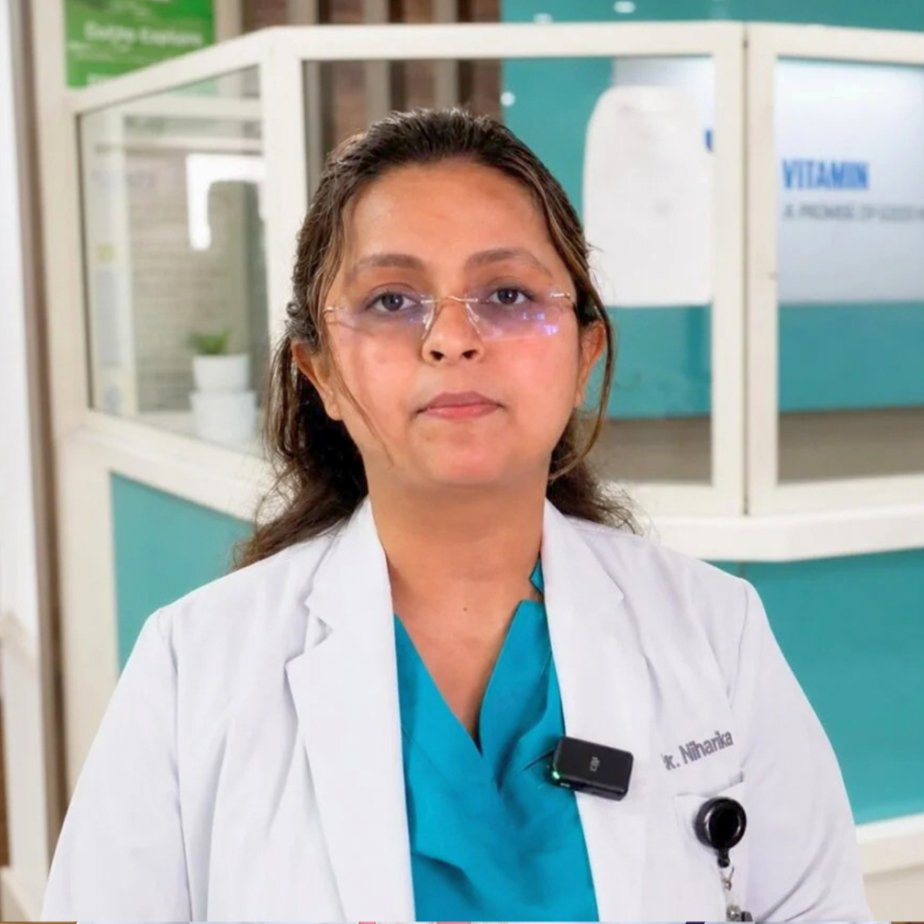
Dr. Niharika Tyagi

  • IVF & Fertility Consultant
  • Reproductive Endocrinology
  • Fertility Expert

Meet Our Fertility Experts

Our internationally trained specialists bring global expertise to Lucknow’s best IVF hospital, combining decades of experience with cutting-edge reproductive medicine.

Dr. Isha Tyagi

  • ENT Specialist
  • Otorhinolaryngology
  • ENT Surgeon

Dr. Rajul Tyagi

  • Director & Head of Infertility
  • Chief Consultant, IVF & Gynaecology
  • Cleveland Clinic Trained

Dr. Lavanya Tyagi

  • Senior IVF Specialist
  • Infertility & Reproductive Medicine
  • IVF Specialist

Dr. Niharika Tyagi

  • IVF & Fertility Consultant
  • Reproductive Endocrinology
  • Fertility Expert

Blastocyst Culture and Transfer FAQs

Blastocyst culture and transfer is an IVF technique where embryos are grown for 5–6 days until they reach the blastocyst stage. Only the strongest embryos survive to Day 5 — providing a higher-quality embryo and better implantation rates than Day 3 transfers.

A Day 3 embryo is at the 6–8 cell stage. In contrast, a Day 5 blastocyst has hundreds of cells and has undergone natural self-selection — consequently resulting in higher implantation rates per embryo transferred.

The blastocyst is loaded into a fine catheter and guided gently into the uterus under ultrasound. The procedure takes 5–10 minutes, requires no sedation, and mild cramping afterwards is normal.

Mild cramping, light spotting, and fatigue are all normal after embryo transfer — they do not indicate a failed cycle. A beta-hCG blood test at Day 14 confirms pregnancy. Avoid home tests before then — they are unreliable.

Blastocyst culture is most beneficial for patients with multiple good Day 3 embryos, previous IVF failures, those requiring PGT/PGD genetic testing, older patients (35+), and those choosing single embryo transfer.

Not always. If only 1–2 embryos are available on Day 3, extended culture risks leaving nothing to transfer. However, when multiple embryos are growing well, blastocyst culture provides significant selection advantages — our embryologists advise you individually.

The Embryoscope photographs embryos every 15 minutes without removing them — keeping the environment perfectly stable. The resulting time-lapse record reveals developmental patterns that predict which blastocysts have the highest implantation potential.

Yes — surplus blastocysts are vitrified with near-complete survival rates. They can subsequently be used in a Frozen Embryo Transfer (FET) cycle without repeating ovarian stimulation, so no good embryo is wasted.

Blastocyst culture takes 5–6 days after egg retrieval; the transfer procedure itself takes 5–10 minutes. The complete IVF cycle from stimulation to pregnancy blood test takes approximately 5–6 weeks.

Javitri Hospital is the first Embryoscope centre in UP, uses RI Witness electronic lab safety, holds NABH, ISAR, and ISO certifications, and is led by Dr. Rajul Tyagi — 30+ years of embryo transfer expertise, trained at Cleveland Clinic and UCL London.

Related Fertility Treatments at Javitri Hospital

🔬
IVF
Treatment

🧬
ICSI
Treatment


Assisted
Hatching

💉
IUI
Treatment

🤰
Egg
Donation IVF

3 IVF & Fertility Centres Across Lucknow & Kanpur

All three centres are equipped with advanced fertility labs, dedicated consultation rooms, and experienced fertility specialists, so you can receive world-class care close to home.

Lucknow – Telibagh
Main Hospital & IVF Lab

Address : Raebareli Road, Telibagh, Lucknow – 226025

Phone : 9936068274

Hours : Mon–Sat: 9 am – 8 pm

Services : IVF, IUI, ICSI, NICU, High-Risk Pregnancy, Delivery

Get Direction

Lucknow – Badshahnagar
Fertility Clinic & OPD

Address : Center Cross Road, Plaza Badshahnagar, Lucknow

Phone : 9936068274

Hours :Mon–Sat: 9 am – 8 pm

Services :IVF Consultations, IUI, Fertility Assessment, Gynaecology

Get Direction

Kanpur – Swaroop Nagar (NEW)
IVF & Fertility Clinic

Address : Near Moti Jheel Metro Station, Swaroop Nagar, Kanpur

Phone : 9936068274

Hours : Mon–Sat: 9 am – 8 pm

Services :IVF, IUI, ICSI, Fertility Consultations, Gynaecology

Get Direction

Blastocyst Culture and Transfer FAQs

Blastocyst culture and transfer is an IVF technique where embryos are grown for 5–6 days until they reach the blastocyst stage. Only the strongest embryos survive to Day 5 — providing a higher-quality embryo and better implantation rates than Day 3 transfers.

A Day 3 embryo is at the 6–8 cell stage. In contrast, a Day 5 blastocyst has hundreds of cells and has undergone natural self-selection — consequently resulting in higher implantation rates per embryo transferred.

The blastocyst is loaded into a fine catheter and guided gently into the uterus under ultrasound. The procedure takes 5–10 minutes, requires no sedation, and mild cramping afterwards is normal.

Mild cramping, light spotting, and fatigue are all normal after embryo transfer — they do not indicate a failed cycle. A beta-hCG blood test at Day 14 confirms pregnancy. Avoid home tests before then — they are unreliable.

Blastocyst culture is most beneficial for patients with multiple good Day 3 embryos, previous IVF failures, those requiring PGT/PGD genetic testing, older patients (35+), and those choosing single embryo transfer.

Not always. If only 1–2 embryos are available on Day 3, extended culture risks leaving nothing to transfer. However, when multiple embryos are growing well, blastocyst culture provides significant selection advantages — our embryologists advise you individually.

The Embryoscope photographs embryos every 15 minutes without removing them — keeping the environment perfectly stable. The resulting time-lapse record reveals developmental patterns that predict which blastocysts have the highest implantation potential.

Yes — surplus blastocysts are vitrified with near-complete survival rates. They can subsequently be used in a Frozen Embryo Transfer (FET) cycle without repeating ovarian stimulation, so no good embryo is wasted.

Blastocyst culture takes 5–6 days after egg retrieval; the transfer procedure itself takes 5–10 minutes. The complete IVF cycle from stimulation to pregnancy blood test takes approximately 5–6 weeks.

Javitri Hospital is the first Embryoscope centre in UP, uses RI Witness electronic lab safety, holds NABH, ISAR, and ISO certifications, and is led by Dr. Rajul Tyagi — 30+ years of embryo transfer expertise, trained at Cleveland Clinic and UCL London.

Blastocyst Culture and Transfer in Lucknow — Advanced IVF at Javitri Hospital

The Most Advanced
Blastocyst Culture in Uttar Pradesh

Our blastocyst programme is built on the Embryoscope,  the first in UP, monitoring every embryo continuously from fertilisation to Day 5. Furthermore, RI Witness tags every embryo electronically throughout, providing an absolute chain of custody from retrieval to transfer.

Embryo Transfer and
After, Complete Care at Javitri

The embryo transfer procedure is ultrasound-guided for precision placement. Moreover, our team provides full guidance on what to expect after embryo transfer, medications, activity, and warning signs.

Ask About Blastocyst Culture at Lucknow’s Most Advanced IVF Centre

First Embryoscope in UP. RI Witness lab safety. 30+ years of embryo transfer expertise.

Book Free Consultation →  Call +91-73885-78889

 ✉ info@javitrihospital.co.in | 3 Clinics · Lucknow & Kanpur