30+ Years Laparoscopic Experience
Day Procedure, Home Same Day

Laparoscopy Procedure
in Lucknow
See Inside. Treat at the Same Time.

Laparoscopy is gynaecology’s most powerful diagnostic and surgical tool, a camera through a keyhole that reveals what no scan can show, and treats what it finds in the same session. At Javitri Hospital, diagnostic and operative laparoscopy are performed by experienced gynaecological surgeons, with a seamless IVF pathway whenever fertility is the goal.

4.9★ Google rating ·
1,840+
reviews

NABH Accredited Surgical Unit

Get Consultation

Book a Consultation

What Is a Laparoscopy Procedure 

A laparoscopy procedure is a minimally invasive surgery in which a thin camera (laparoscope) is inserted through a small incision near the navel under general anaesthesia. The camera gives the surgeon a live, high-definition view of the uterus, fallopian tubes, ovaries, and surrounding pelvic structures, structures that no ultrasound or blood test can directly examine. 

Laparoscopy for infertility is used to identify and treat conditions, including endometriosis, blocked tubes, ovarian cysts, and pelvic adhesions, that cause fertility problems. Operative treatment is performed through the same incisions in the same session, avoiding the need for a second procedure.

At Javitri Hospital, laparoscopy is performed by experienced gynaecological laparoscopic surgeons in a NABH-certified operating theatre, with HD laparoscopic equipment and immediate IVF consultation available when fertility treatment follows.

Laparoscopy — At a Glance
Type Minimally invasive surgery
Anaesthesia General anaesthesia
Incisions 3–4 × 5–10 mm
Duration 30 min – 2 hours
Hospital Stay Same day or 1 night
Recovery 1–2 weeks
Scarring Minimal (keyhole)

How the Laparoscopy Procedure Is Performed

1

Preparation & Anaesthesia

You fast from midnight. Pre-operative bloods, ECG, and anaesthetic assessment are completed. General anaesthesia is induced, and you remain fully asleep throughout the procedure.

2

CO₂ Insufflation

A small needle is inserted near the navel. Carbon dioxide gas is gently pumped into the abdomen, lifting the abdominal wall away from the organs to create a clear viewing space.

3

Camera Insertion

The laparoscope, a thin camera with a light source, is inserted through the navel incision. The surgeon views a live HD image of the uterus, fallopian tubes, ovaries, and pelvic cavity on a monitor.

4

Diagnosis & Treatment

The surgeon systematically inspects all pelvic structures. If pathology is found, such as cysts, endometriosis, adhesions, or fibroids, it is treated immediately using instruments inserted through the additional small incisions.

5

Closure & Recovery

Carbon dioxide gas is released and the incisions are closed with sutures or surgical tape. You wake in recovery, and most patients go home the same afternoon. Full sensation and mobility typically return within 24 hours.

Diagnostic vs Operative Laparoscopy, What Is the Difference?

Diagnostic Laparoscopy

To Look and Confirm a Diagnosis

Performed when the cause of a problem, infertility, pelvic pain, or abnormal scan findings needs direct visual confirmation. No treatment is carried out; findings guide subsequent management.

✓  Unexplained infertility after normal scan, blood tests, and semen analysis

✓  Suspected endometriosis, the only definitive diagnostic test

✓  Chromopertubation, blue dye test to confirm fallopian tube patency

✓  Chronic pelvic pain, to exclude adhesions, endometriosis, or other causes

✓  Abnormal HSG result needing direct visual confirmation

Operative Laparoscopy

To Look and Treat, In the Same Session

Combines diagnosis and treatment. Instruments are inserted through additional incisions to perform surgery while the camera guides the procedure, no separate open surgery required.

Ovarian cystectomy, removal of endometrioma, dermoid, or cystadenoma

Laparoscopic myomectomy, removal of intramural or subserosal fibroids

Endometriosis excision, removing lesions from ovaries, tubes, and peritoneum

Adhesiolysis, releasing pelvic scar tissue to restore normal anatomy

Salpingectomy, removing a damaged or hydrosalpinx tube before IVF

Gynaecological Conditions Treated by Laparoscopy at Javitri Hospital

What Is Assessed Before Your Laparoscopy at Javitri Hospital

What Is Assessed Before Your Laparoscopy at Javitri Hospital

Laparoscopy vs Open Surgery, and What to Expect During Recovery

Factor 🔭 Laparoscopy (Keyhole) 🔪 Open Surgery (Laparotomy)
Incisions 3–4 × 5–10 mm One 8–15 cm abdominal cut
Scarring Minimal Visible scar
Hospital stay Same day or 1 night 3–5 days
Pain level Mild — managed with oral analgesia Moderate to severe
Return to light work 3–5 days 4–6 weeks
Full recovery 2 weeks 6–8 weeks
Blood loss Minimal Greater
Infection risk Lower Higher
How to Prepare for Your Laparoscopy

🍽️ Fasting: Nothing to eat or drink from midnight before your laparoscopy. Clear fluids may be allowed up to 2 hours before, confirmed by your anaesthetist.

💊 Medications: Continue regular medications unless specifically told to stop. Blood thinners and metformin may need pausing, confirm with your surgeon.

👗 Clothing: Wear loose, comfortable clothing to the hospital. Remove all nail varnish, jewellery, and contact lenses before surgery.

🚗 Escort: You cannot drive home after general anaesthesia. Arrange for a family member or friend to collect you and stay with you on the night of surgery.

📋 Records: Bring any previous scan reports, blood test results, HSG reports, or prior operative notes to your pre-operative assessment.

🏠 Home Preparation: Prepare easy, light meals in advance. Arrange help with children or household duties for the first 3–5 days. Rest is the priority.

Meet Your Laparoscopic Surgeons at Javitri Hospital

Our internationally trained specialists bring global expertise to Lucknow & Kanpur’s best IVF hospital, combining decades of experience with cutting-edge reproductive medicine.

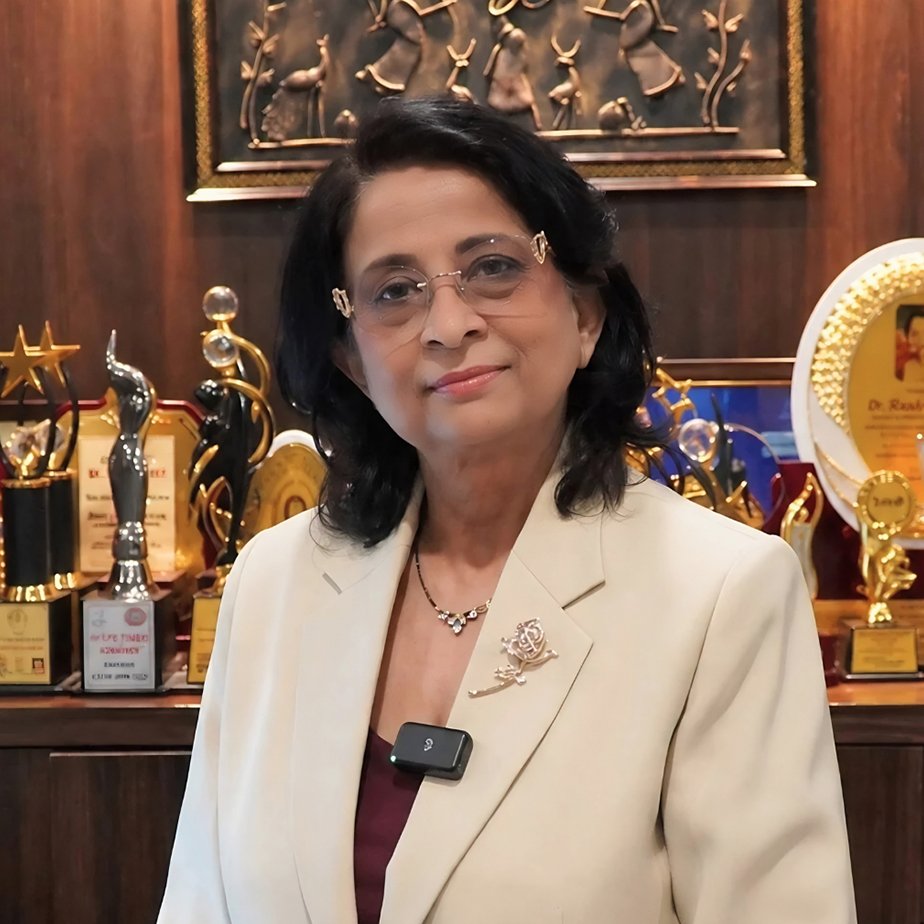
Dr. Rajul Tyagi

  • Director & Head of Infertility
  • Chief Consultant, IVF & Gynaecology
  • Cleveland Clinic Trained

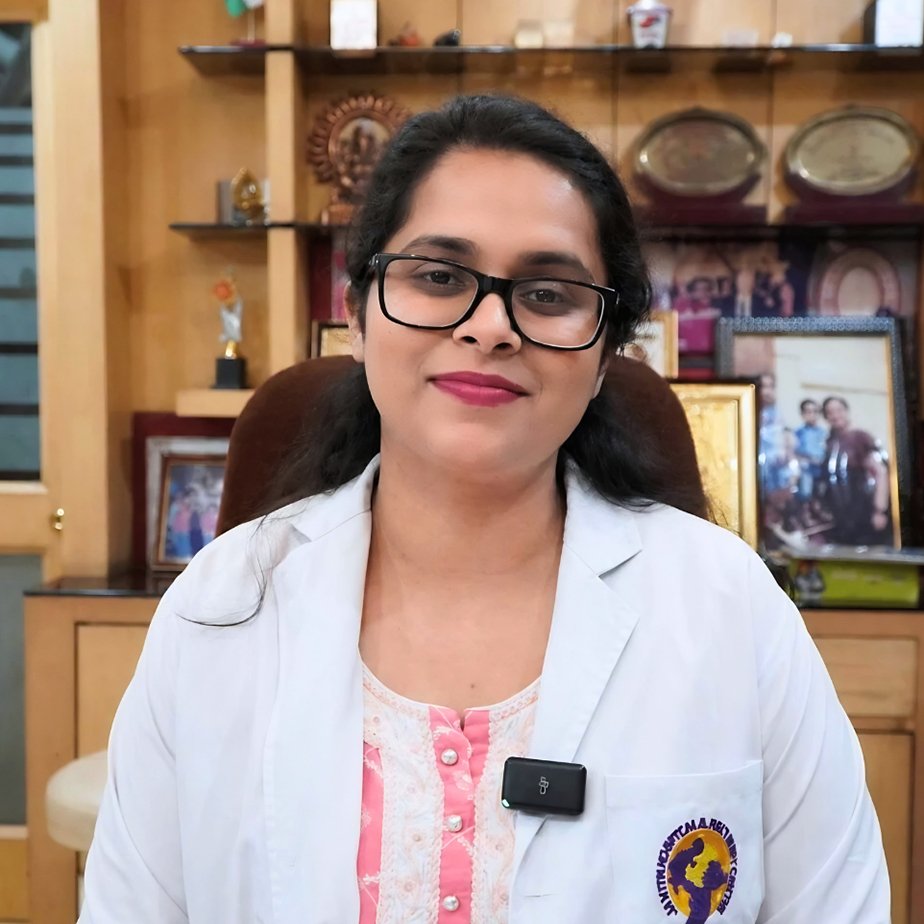
Dr. Lavanya Tyagi

  • Senior IVF Specialist
  • Infertility & Reproductive Medicine
  • IVF Specialist

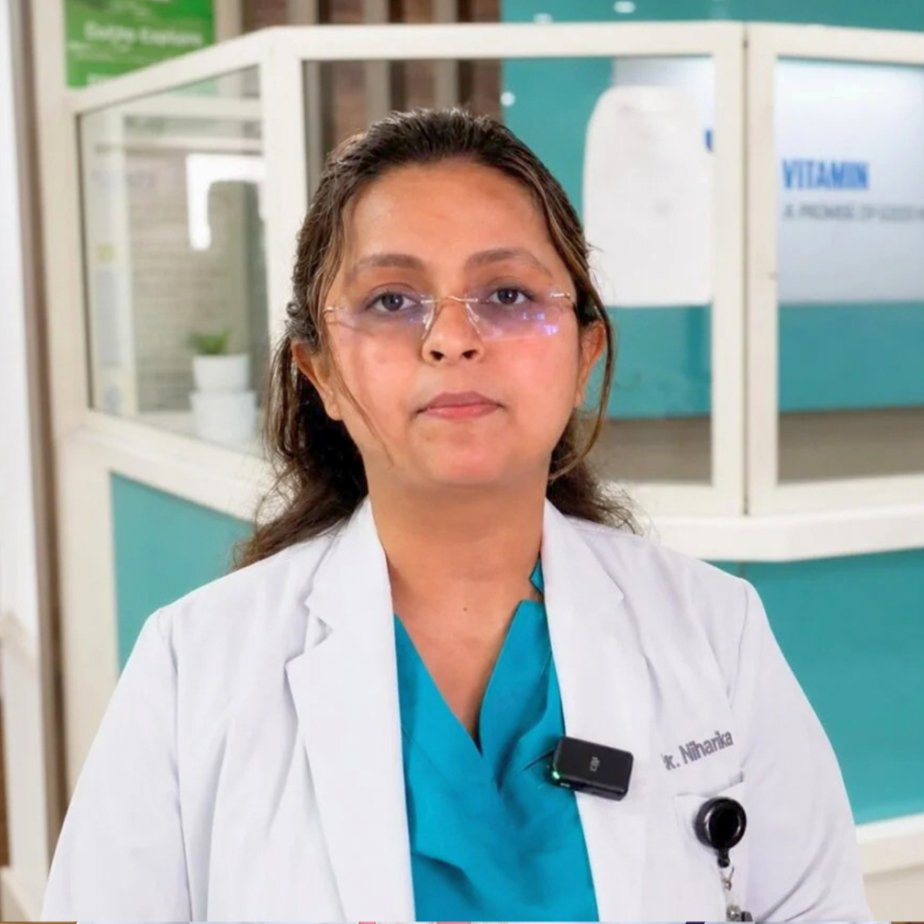
Dr. Niharika Tyagi

  • IVF & Fertility Consultant
  • Reproductive Endocrinology
  • Fertility Expert

Dr. Isha Tyagi

  • ENT Specialist
  • Otorhinolaryngology
  • ENT Surgeon

Meet Your Laparoscopic Surgeons at Javitri Hospital

Our internationally trained specialists bring global expertise to Lucknow & Kanpur’s best IVF hospital, combining decades of experience with cutting-edge reproductive medicine.

Dr. Isha Tyagi

  • ENT Specialist
  • Otorhinolaryngology
  • ENT Surgeon

Dr. Rajul Tyagi

  • Director & Head of Infertility
  • Chief Consultant, IVF & Gynaecology
  • Cleveland Clinic Trained

Dr. Lavanya Tyagi

  • Senior IVF Specialist
  • Infertility & Reproductive Medicine
  • IVF Specialist

Dr. Niharika Tyagi

  • IVF & Fertility Consultant
  • Reproductive Endocrinology
  • Fertility Expert

Find Out Whether Laparoscopy Is Right for You, One Consultation Is All It Takes.

Not everyone needs a laparoscopy, and not everyone who needs one knows they do. A specialist consultation at Javitri Hospital reviews your full history, scan findings, blood tests, and fertility goals to advise whether laparoscopy is the right next step, and what it can achieve for you.

Review of all previous scan, blood test, and investigation results

Transvaginal ultrasound if not recently performed

Clear recommendation on whether laparoscopy is indicated

Pre-operative planning and fertility pathway discussion

EMI options available for all surgical procedures

✉info@javitrihospital.co.in

Get Consultation Visit Our Hospital

What Our Patients Say About Laparoscopy at Javitri Hospital

Frequently Asked Questions Laparoscopy


A laparoscopy procedure is minimally invasive surgery in which a thin camera is inserted through a small incision near the navel under general anaesthesia. It gives the surgeon a direct, real-time view of the uterus, fallopian tubes, ovaries, and pelvic structures, the only way to definitively diagnose conditions like endometriosis, pelvic adhesions, or tubal damage that do not show on ultrasound. It is recommended when investigation results are normal but symptoms or fertility problems persist, when endometriosis is suspected, when ovarian cysts or fibroids need operative removal, or when tubal status needs direct confirmation before IVF.

Laparoscopy for infertility identifies structural pelvic causes that are completely invisible on ultrasound or HSG. These include: endometriosis, peritoneal lesions, superficial implants, and early-stage endometriomas that are below ultrasound resolution; pelvic adhesions, scar tissue binding the tubes, ovaries, or bowel that distorts anatomy without appearing on scans; early or subtle tubal damage not detected by HSG; and rare uterine surface abnormalities. Studies show that up to 40% of women with unexplained infertility have a pelvic cause identifiable only at laparoscopy

A diagnostic laparoscopy takes approximately 30–45 minutes. An operative laparoscopy, removing a cyst, excising endometriosis, or performing adhesiolysis, takes 45 minutes to 2 hours depending on findings. After surgery, you spend 2–4 hours in recovery as anaesthesia wears off. Most patients are discharged the same evening. Some operative cases require one night’s stay. You need someone to drive you home and stay with you overnight as you cannot drive after general anaesthesia.

The procedure itself is under general anaesthesia, you feel nothing. After surgery, most women experience mild abdominal soreness and bloating, and shoulder-tip or neck pain (caused by residual CO₂ gas irritating the diaphragm), typically lasting 24–48 hours and well-managed with paracetamol or ibuprofen. This is significantly less discomfort than open abdominal surgery. Most women return to light activities within 3–5 days and full normal activity within 2 weeks. Laparoscopy is notably well-tolerated compared to the conditions it is treating.

Not always, but in certain situations laparoscopy before IVF is strongly recommended. These include: hydrosalpinx (fluid-filled blocked tube), removing it before IVF is evidence-based and significantly improves success rates; endometrioma of 4 cm or more, excision protects ovarian reserve and improves egg quality; suspected uterine or tubal abnormality; and two or more failed IVF cycles with otherwise unexplained failure. For most women starting IVF with no suspicious findings, laparoscopy is not routinely required. At Javitri Hospital, our IVF and laparoscopy specialists review each case together to advise the right sequence.

Yes, laparoscopy for infertility significantly improves pregnancy rates when a structural cause is identified and treated. Excision of endometriosis improves natural conception and IVF success rates substantially. Adhesiolysis restoring tubal function allows natural conception in many cases. Removal of a hydrosalpinx before IVF improves IVF success by up to 50% in affected women. After laparoscopy, most surgeons recommend attempting natural conception for 3–6 months before proceeding to IVF, unless age or other factors make earlier treatment appropriate. At Javitri Hospital, the post-operative fertility plan is discussed at your follow-up appointment, typically 1–2 weeks after surgery.

Laparoscopy is very safe in experienced hands. Serious complications are rare, occurring in under 1% of cases at specialist centres. Possible risks include: injury to adjacent structures (bowel, bladder, ureter, blood vessels, under 0.5%); bleeding requiring conversion to open surgery (rare); wound infection; port-site hernia; and general anaesthesia risks. Minor side effects, shoulder pain, bloating, fatigue, are common and temporary. At Javitri Hospital, all laparoscopies are performed by NABH-certified surgeons with extensive laparoscopic experience in a fully equipped theatre with immediate open surgical capability if needed.

Preparation for laparoscopy includes: fasting from midnight before the procedure (nothing to eat or drink); confirming medication instructions with your surgeon (some medications are paused before surgery); arranging an escort who will drive you home and stay with you overnight, you cannot drive after general anaesthesia; wearing loose, comfortable clothing; removing all nail varnish, jewellery, and contact lenses; and bringing all previous investigation reports (scans, blood tests, HSG) to your pre-operative assessment. A pre-operative blood test, blood group, and anaesthetic consultation are completed in the days before the procedure.

Javitri Hospital offers complete diagnostic and operative laparoscopy in Lucknow, for infertility, endometriosis, ovarian cysts, fibroids, adhesions, and hydrosalpinx, performed by experienced gynaecological laparoscopic surgeons in a NABH-certified operating theatre. Dr. Rajul Tyagi (MD Obs & Gyn KGMU, 30+ years, Cleveland Clinic USA and Brussels University) leads a team that combines laparoscopic surgical excellence with an integrated IVF programme, so the transition from laparoscopy findings to fertility treatment is seamless. We are NABH-accredited, ISO-certified, and rated 4.9★ across 1,840+ Google reviews.

Diagnostic laparoscopy looks inside the pelvis to identify a cause, endometriosis, adhesions, tubal blockage, without performing any treatment. Operative laparoscopy combines looking and treating in the same procedure, instruments inserted through additional incisions allow the surgeon to remove cysts, excise endometriosis, divide adhesions, or remove a damaged tube in the same session. At Javitri Hospital, we always aim to combine diagnostic and operative laparoscopy wherever safely possible, avoiding the need for a second anaesthetic and second recovery.

Frequently Asked Questions Laparoscopy


A laparoscopy procedure is minimally invasive surgery in which a thin camera is inserted through a small incision near the navel under general anaesthesia. It gives the surgeon a direct, real-time view of the uterus, fallopian tubes, ovaries, and pelvic structures, the only way to definitively diagnose conditions like endometriosis, pelvic adhesions, or tubal damage that do not show on ultrasound. It is recommended when investigation results are normal but symptoms or fertility problems persist, when endometriosis is suspected, when ovarian cysts or fibroids need operative removal, or when tubal status needs direct confirmation before IVF.

Laparoscopy for infertility identifies structural pelvic causes that are completely invisible on ultrasound or HSG. These include: endometriosis, peritoneal lesions, superficial implants, and early-stage endometriomas that are below ultrasound resolution; pelvic adhesions, scar tissue binding the tubes, ovaries, or bowel that distorts anatomy without appearing on scans; early or subtle tubal damage not detected by HSG; and rare uterine surface abnormalities. Studies show that up to 40% of women with unexplained infertility have a pelvic cause identifiable only at laparoscopy

A diagnostic laparoscopy takes approximately 30–45 minutes. An operative laparoscopy, removing a cyst, excising endometriosis, or performing adhesiolysis, takes 45 minutes to 2 hours depending on findings. After surgery, you spend 2–4 hours in recovery as anaesthesia wears off. Most patients are discharged the same evening. Some operative cases require one night’s stay. You need someone to drive you home and stay with you overnight as you cannot drive after general anaesthesia.

The procedure itself is under general anaesthesia, you feel nothing. After surgery, most women experience mild abdominal soreness and bloating, and shoulder-tip or neck pain (caused by residual CO₂ gas irritating the diaphragm), typically lasting 24–48 hours and well-managed with paracetamol or ibuprofen. This is significantly less discomfort than open abdominal surgery. Most women return to light activities within 3–5 days and full normal activity within 2 weeks. Laparoscopy is notably well-tolerated compared to the conditions it is treating.

Not always, but in certain situations laparoscopy before IVF is strongly recommended. These include: hydrosalpinx (fluid-filled blocked tube), removing it before IVF is evidence-based and significantly improves success rates; endometrioma of 4 cm or more, excision protects ovarian reserve and improves egg quality; suspected uterine or tubal abnormality; and two or more failed IVF cycles with otherwise unexplained failure. For most women starting IVF with no suspicious findings, laparoscopy is not routinely required. At Javitri Hospital, our IVF and laparoscopy specialists review each case together to advise the right sequence.

Yes, laparoscopy for infertility significantly improves pregnancy rates when a structural cause is identified and treated. Excision of endometriosis improves natural conception and IVF success rates substantially. Adhesiolysis restoring tubal function allows natural conception in many cases. Removal of a hydrosalpinx before IVF improves IVF success by up to 50% in affected women. After laparoscopy, most surgeons recommend attempting natural conception for 3–6 months before proceeding to IVF, unless age or other factors make earlier treatment appropriate. At Javitri Hospital, the post-operative fertility plan is discussed at your follow-up appointment, typically 1–2 weeks after surgery.

Laparoscopy is very safe in experienced hands. Serious complications are rare, occurring in under 1% of cases at specialist centres. Possible risks include: injury to adjacent structures (bowel, bladder, ureter, blood vessels, under 0.5%); bleeding requiring conversion to open surgery (rare); wound infection; port-site hernia; and general anaesthesia risks. Minor side effects, shoulder pain, bloating, fatigue, are common and temporary. At Javitri Hospital, all laparoscopies are performed by NABH-certified surgeons with extensive laparoscopic experience in a fully equipped theatre with immediate open surgical capability if needed.

Preparation for laparoscopy includes: fasting from midnight before the procedure (nothing to eat or drink); confirming medication instructions with your surgeon (some medications are paused before surgery); arranging an escort who will drive you home and stay with you overnight, you cannot drive after general anaesthesia; wearing loose, comfortable clothing; removing all nail varnish, jewellery, and contact lenses; and bringing all previous investigation reports (scans, blood tests, HSG) to your pre-operative assessment. A pre-operative blood test, blood group, and anaesthetic consultation are completed in the days before the procedure.

Javitri Hospital offers complete diagnostic and operative laparoscopy in Lucknow, for infertility, endometriosis, ovarian cysts, fibroids, adhesions, and hydrosalpinx, performed by experienced gynaecological laparoscopic surgeons in a NABH-certified operating theatre. Dr. Rajul Tyagi (MD Obs & Gyn KGMU, 30+ years, Cleveland Clinic USA and Brussels University) leads a team that combines laparoscopic surgical excellence with an integrated IVF programme, so the transition from laparoscopy findings to fertility treatment is seamless. We are NABH-accredited, ISO-certified, and rated 4.9★ across 1,840+ Google reviews.

Diagnostic laparoscopy looks inside the pelvis to identify a cause, endometriosis, adhesions, tubal blockage, without performing any treatment. Operative laparoscopy combines looking and treating in the same procedure, instruments inserted through additional incisions allow the surgeon to remove cysts, excise endometriosis, divide adhesions, or remove a damaged tube in the same session. At Javitri Hospital, we always aim to combine diagnostic and operative laparoscopy wherever safely possible, avoiding the need for a second anaesthetic and second recovery.

Explore Related Maternity & Women’s Health Services

Laparoscopy Procedure IVF Centres in Lucknow & Kanpur

All three centres are equipped with advanced fertility labs, dedicated consultation rooms, and experienced fertility specialists, so you can receive world-class care close to home.

Lucknow – Telibagh
Main Hospital & IVF Lab

Address : Raebareli Road, Telibagh, Lucknow – 226025

Phone : +91 99360 68274

Hours :  24/7 Patient  Care

Services : IVF, IUI, ICSI, NICU, High-Risk Pregnancy, Delivery

Get Direction

Lucknow – Badshahnagar
Fertility Clinic & OPD

Address : Center Cross Road, Plaza Badshahnagar, Lucknow

Phone : +91 75720 71497

Hours : 24/7 Patient  Care

Services :IVF Consultations, IUI, Fertility Assessment, Gynaecology

Get Direction

Kanpur – Swaroop Nagar (NEW)
IVF & Fertility Clinic

Address : Near Moti Jheel Metro Station, Swaroop Nagar, Kanpur

Phone : +91 73555 78735

Hours : 24/7 Patient  Care

Services :IVF, IUI, ICSI, Fertility Consultations, Gynaecology

Get Direction

Laparoscopy Procedure Expert Gynaecological Surgery at Javitri Hospital

Complete Laparoscopy & Laparoscopy for Infertility in Lucknow and Kanpur

Javitri Hospital provides the most comprehensive laparoscopy service in Lucknow, diagnostic laparoscopy, operative laparoscopy, and laparoscopy for infertility, performed by experienced gynaecological laparoscopic surgeons in a NABH-certified operating theatre. Every laparoscopy procedure at Javitri is planned to diagnose and treat in a single session, minimising anaesthetic exposure and recovery time.

For women with unexplained infertility, suspected endometriosis, hydrosalpinx, ovarian cysts, or fibroids, laparoscopy provides answers and solutions that no scan or blood test can match.

Experienced Laparoscopic Surgeons in Lucknow & Kanpur

Every laparoscopy procedure at Javitri Hospital is performed or supervised by Dr. Rajul Tyagi, MD Obs & Gyn KGMU, 30+ years of gynaecological surgery, trained at Cleveland Clinic Ohio USA and University Hospital Brussels Belgium, supported by Dr. Archana Rastogi and Dr. Shivani Agarwal. Our integrated IVF programme means laparoscopy for infertility findings translate directly and immediately into a fertility treatment plan.

To book a laparoscopy consultation in Lucknow, call +91 99360 68274 or email info@javitrihospital.co.in.

Book Your Laparoscopy Consultation at Javitri Hospital, Lucknow

Experienced surgeons. NABH-certified theatre. Integrated IVF pathway. All under one roof.

Book Free Consultation →

✉ info@javitrihospital.co.in |Lucknow · Kanpur · NABH · ISO, Deluxe Labour Room & Birthing Suite