30+ Years gynaecological expertise NABH Certified modular operation theatre Computerised ICSI ISAR Certified

Egg Freezing – Preserve Your Fertility and Future.

Women freezing eggs today protect tomorrow’s choices. At Javitri Hospital, our complete egg freezing programme, from ovarian reserve assessment to vitrification and secure cryostorage, gives you the highest possible chance of a future pregnancy, on your timeline.

Gold Standard
for uterine cavity evaluation

4.9★ Google rating
· 1,840+ reviews

Book Your Appointment

🪡 Minimally Invasive Procedure
🧪 Expert Semen Preparation
📊 Personalised Ovulation Monitoring
🏆 NABH · ISAR · ISO Certified
📍 3 Clinics, Lucknow & Kanpur

What Is Hysteroscopy?
— A Direct Answer

Egg freezing (oocyte cryopreservation) is a medical procedure in which a woman’s eggs are retrieved from the ovaries, frozen using vitrification technology, and stored for future use. When she is ready to conceive, the frozen eggs are thawed, fertilised with sperm using ICSI, and the resulting embryo is transferred to the uterus. The egg freezing procedure preserves egg quality at the age of freezing, meaning a woman who freezes eggs at 30 uses 30-year-old eggs even if she conceives at 38.

Egg freezing gives women control over their reproductive future, whether for personal reasons, career timing, or medical necessity. At Javitri Hospital, both social and medical egg freezing programmes are available, with individualised protocols based on each woman’s ovarian reserve.

Furthermore, modern vitrification technology has transformed egg freezing success rates, with egg survival rates of 80–90% after thawing in experienced centres, making it a reliable, evidence-based fertility preservation option.

Egg Freezing — At a Glance
Procedure Oocyte Cryopreservation
Stimulation Duration 10–14 days
Egg Retrieval 15–20 min under sedation
Freezing Method Vitrification (flash-freeze)
Storage Temperature -196°C in liquid nitrogen
Egg Survival Rate 80–90% after thawing
Ideal Age Under 35 (best results)
Target Egg Number 10–15 mature eggs (<35 yrs)
Storage NABH-Certified Cryobank

Women Freezing Eggs — Who Should Consider It?

Social Egg Freezing

Women freezing eggs for personal or professional reasons — not yet ready for pregnancy, but wanting to protect their future options while egg quality is at its best.

Career-focused women who want to delay pregnancy without losing egg quality

Women without a current partner who don’t want to rush into parenthood

Women in their late 20s or early 30s who want a biological backup plan

Women with a family history of early menopause who want to act before ovarian reserve declines

Women approaching 35 who want to preserve eggs at peak quality before the decline accelerates

Medical Egg Freezing

Women freezing eggs before a medical treatment or procedure that will harm or destroy ovarian function — preserving the possibility of a biological child after treatment.

Cancer patients facing chemotherapy or radiotherapy that damages the ovaries

Women with severe endometriosis that is progressively damaging ovarian reserve

Women with premature ovarian insufficiency (POI) or very low AMH

Women undergoing oophorectomy (ovarian removal) for medical reasons

Women with genetic conditions linked to early ovarian failure (e.g. Turner syndrome, BRCA carriers)

When Is the Right Age to Freeze Eggs?

The best time for women freezing eggs is before age 35, when egg quality and quantity are highest. However, egg freezing remains beneficial up to age 40 depending on ovarian reserve. AMH (Anti-Müllerian Hormone) blood test and antral follicle count (AFC) ultrasound give a precise picture of your current ovarian reserve, the true guide to whether and when to freeze. Our specialists assess this at your first consultation and advise accordingly.

The Egg Freezing Process, Step by Step

Why Vitrification Makes the Egg Freezing Procedure Work

The single biggest advance in the egg freezing procedure over the past two decades has been vitrification, ultra-rapid flash-freezing technology that cools eggs at approximately 23,000°C per minute. This speed is critical: it prevents ice crystal formation inside the egg, which was the primary cause of cell damage with older slow-freezing methods.

As a result, modern vitrification has transformed the egg freezing procedure from an experimental option into a clinically reliable one, with egg survival rates after thawing now exceeding 80–90% in experienced centres, and fertilisation rates comparable to fresh eggs in many studies.

At Javitri Hospital, all eggs are vitrified immediately after retrieval by our trained embryologist, then stored at -196°C in liquid nitrogen in our NABH-certified cryobank, maintaining egg quality indefinitely.

Old Slow-Freezing

Ice crystals form inside egg cells
50–60% egg survival rate
Significant DNA and membrane damage
Poor fertilisation rates after thaw

Vitrification(Current)

No ice crystal formation
80–90% egg survival rate
Minimal damage to egg structure
Fertilisation rates comparable to fresh eggs

Egg Freezing — Expected Success Rates
Egg survival after thaw 80–90%
Fertilisation rate (ICSI) 70–80%
Blastocyst development 40–60% of fertilised eggs
Implantation rate (<35 yrs) Higher with more eggs frozen
Target eggs (<35 yrs) 10–15 mature eggs
Target eggs (35–37 yrs) 15–20 mature eggs
Target eggs (38–40 yrs) 20+ mature eggs
Storage duration Years, no quality decline
Using frozen eggs Thaw → ICSI → Embryo Transfer

Note: These are population-level figures. Your individual expected success from the egg freezing procedure depends on your age, AMH, AFC, and the number of eggs retrieved. Our specialists give you a personalised assessment at your first consultation.

What Does Freezing Eggs Cost at Javitri Hospital?

Freezing eggs cost is individualised — every woman’s protocol, monitoring needs, and egg yield differ. Here is what the cost typically includes.

Because no two protocols are the same, we provide a full itemised cost breakdown after your initial AMH and AFC assessment, so there are no surprises. EMI options are available.

📞 Call for a Cost Estimate

Why Choose Javitri Hospital for Egg Freezing in Lucknow?

Your Egg Freezing Is Guided By

Our internationally trained specialists bring global expertise to Lucknow & Kanpur’s best IVF hospital, combining decades of experience with cutting-edge reproductive medicine.

Dr. Isha Tyagi

  • ENT Specialist
  • Otorhinolaryngology
  • ENT Surgeon

Dr. Rajul Tyagi

  • Director & Head of Infertility
  • Chief Consultant, IVF & Gynaecology
  • Cleveland Clinic Trained

Dr. Lavanya Tyagi

  • Senior IVF Specialist
  • Infertility & Reproductive Medicine
  • IVF Specialist

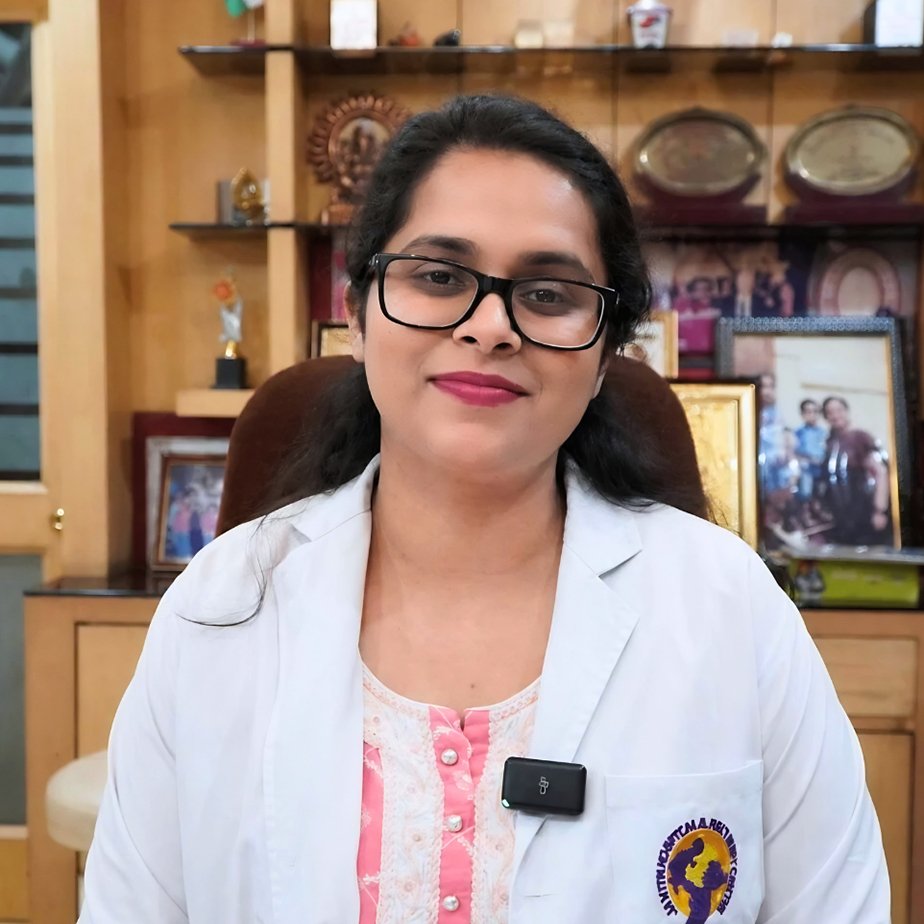
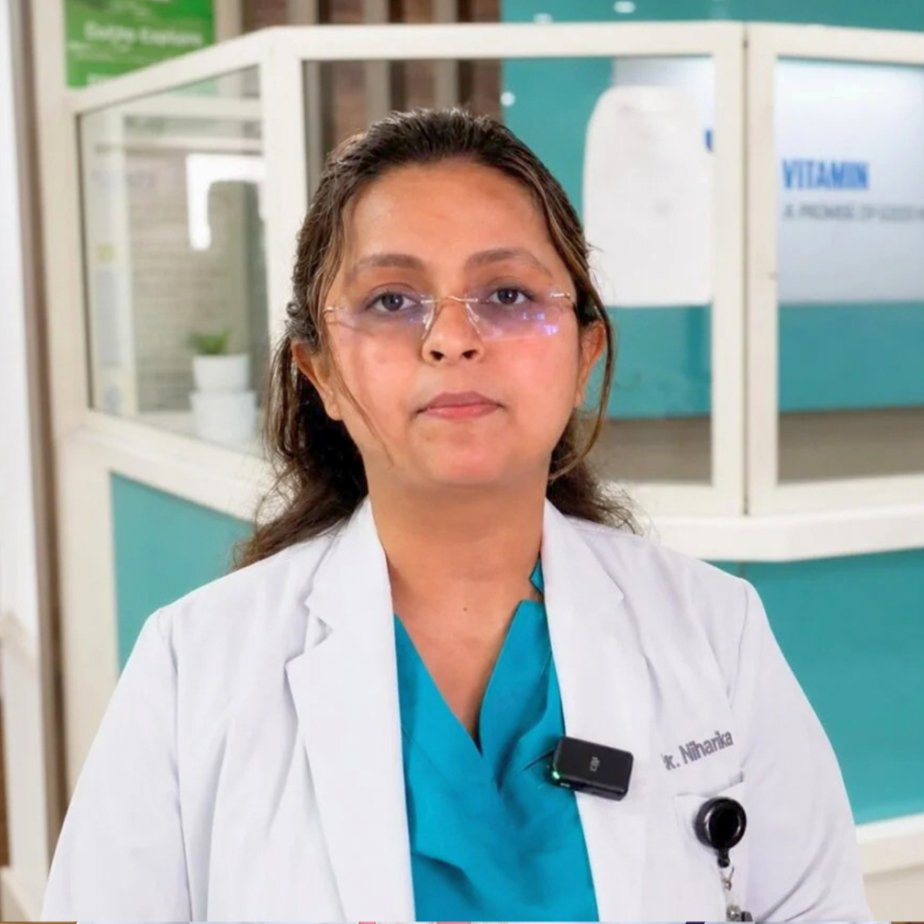
Dr. Niharika Tyagi

  • IVF & Fertility Consultant
  • Reproductive Endocrinology
  • Fertility Expert

Start Your Egg Freezing Journey, One Conversation Is All It Takes

Your first consultation gives you everything you need to make an informed decision, your ovarian reserve, expected egg yield, a clear view of the egg freezing process, and a transparent cost estimate.

✓AMH blood test & AFC ultrasound, ovarian reserve assessment

✓Personalised egg freezing process and protocol explained

✓Honest discussion of expected egg numbers and success rates

✓Full, itemised freezing eggs cost estimate, no hidden fees

✓Social and medical egg freezing options both covered

✓EMI options available, egg freezing made financially accessible

info@javitrihospital.co.in

Get Consultation

Meet Our Fertility Treatment Experts

Our internationally trained specialists bring global expertise to Lucknow & Kanpur’s best IVF hospital, combining decades of experience with cutting-edge reproductive medicine.

Dr. Rajul Tyagi

  • Director & Head of Infertility
  • Chief Consultant, IVF & Gynaecology
  • Cleveland Clinic Trained

Dr. Lavanya Tyagi

  • Senior IVF Specialist
  • Infertility & Reproductive Medicine
  • IVF Specialist

Dr. Niharika Tyagi

  • IVF & Fertility Consultant
  • Reproductive Endocrinology
  • Fertility Expert

Dr. Isha Tyagi

  • ENT Specialist
  • Otorhinolaryngology
  • ENT Surgeon

What Women Who Froze Their Eggs Say

Egg Freezing, Frequently Asked Questions

Egg freezing (oocyte cryopreservation) is a procedure in which a woman’s eggs are retrieved, frozen using vitrification, and stored for future use. The egg freezing process involves ovarian stimulation with injectable hormones for 10–14 days, egg retrieval under sedation, and immediate vitrification of mature eggs, preserving them at -196°C in liquid nitrogen. When she is ready, eggs are thawed, fertilised using ICSI, and the embryo is transferred to the uterus. Egg freezing preserves egg quality at the age of freezing, so a woman who freezes eggs at 30 uses 30-year-old eggs regardless of when she conceives.

The egg freezing process begins with a baseline AMH blood test and AFC ultrasound, then 10–14 days of daily self-injections of gonadotropin hormones to stimulate the ovaries. During this time, ultrasound scans every 2–3 days monitor follicle growth. When follicles reach maturity, a precisely timed trigger injection is given. Thirty-six hours later, the egg retrieval procedure takes place under sedation, 15–20 minutes of ultrasound-guided egg aspiration. Mature eggs are immediately vitrified and transferred to the cryobank. The entire egg freezing process from first injection to egg retrieval spans approximately two weeks.

The egg freezing procedure has two phases. The stimulation phase involves daily self-injections for 10–14 days, most women find these very manageable with guidance from our nursing team. Some experience mild bloating as follicles grow, which is normal. The egg retrieval phase of the egg freezing procedure is performed under light general anaesthesia, patients are completely comfortable and unaware throughout. After retrieval, mild cramping for 24–48 hours is the most common experience, well managed with standard pain relief. Most women return to normal activity within 1–2 days.

Freezing eggs cost at Javitri Hospital is individualised, because stimulation medication doses, monitoring scans needed, and egg numbers retrieved all vary between women. The total freezing eggs cost typically covers: pre-cycle AMH and AFC assessment, gonadotropin medications, monitoring scans, egg retrieval under anaesthesia, embryologist fees, vitrification of mature eggs, and first-year cryostorage. Annual storage fees apply in subsequent years. A full, transparent, itemised freezing eggs cost estimate is provided after your initial ovarian reserve assessment, before you commit to anything. EMI options are available. Call +91 99360 68274 or email info@javitrihospital.co.in for a personalised estimate.

Women freezing eggs include two broad groups. Social egg freezing suits women who are not yet ready for pregnancy, whether due to career, relationship status, or personal timing, and want to preserve their eggs at peak quality before age-related decline accelerates. Medical egg freezing is recommended for women facing cancer treatment (chemotherapy or radiotherapy), those with severe endometriosis, very low AMH, premature ovarian insufficiency, or genetic conditions causing early ovarian failure. The ideal time for women freezing eggs is before age 35, though the decision depends on individual ovarian reserve, assessed through AMH and AFC at your first consultation with our team.

Javitri Hospital offers the most complete egg freezing programme in Lucknow, vitrification technology achieving 80–90% egg survival rates, NABH-certified cryobank, individualised AMH and AFC-guided stimulation protocols, experienced embryologists, and a complete pathway from egg freezing through to thaw, ICSI, and embryo transfer. Dr. Rajul Tyagi, Dr. Archana Rastogi, and Dr. Shivani Agarwal bring 30+ years of combined reproductive medicine expertise, ensuring the highest clinical standards throughout the egg freezing process and beyond. Furthermore, our compassionate, fully confidential approach ensures every woman freezing eggs at Javitri feels fully informed and fully supported throughout her journey.

The best age for egg freezing is before 35, when egg quantity and quality are both at their highest. After 35, egg quality declines progressively, meaning a higher proportion of eggs are chromosomally abnormal and fewer eggs are retrieved per stimulation cycle. Egg freezing remains beneficial between 35–40 depending on ovarian reserve, more cycles may be needed to reach the target egg number. Women over 40 are counselled individually based on AMH and AFC results. At Javitri Hospital, we advise based on your actual ovarian reserve, not age alone, so the right decision is made for your specific situation.

The number of eggs needed depends on age and egg quality. As a general guide: women under 35 should aim for 10–15 mature eggs for a good chance of at least one successful pregnancy. Women aged 35–37 may need 15–20 eggs. Women 38–40 may need 20 or more, as a higher proportion of eggs are chromosomally abnormal. Some women complete the egg freezing process in one cycle; others benefit from two cycles to reach the target number. Our specialists advise on expected yield based on your AMH and AFC before you start, so expectations are realistic from the outset.

The number of eggs needed depends on age and egg quality. As a general guide: women under 35 should aim for 10–15 mature eggs for a good chance of at least one successful pregnancy. Women aged 35–37 may need 15–20 eggs. Women 38–40 may need 20 or more, as a higher proportion of eggs are chromosomally abnormal. Some women complete the egg freezing process in one cycle; others benefit from two cycles to reach the target number. Our specialists advise on expected yield based on your AMH and AFC before you start, so expectations are realistic from the outset.

Frozen eggs stored in liquid nitrogen at -196°C do not deteriorate with time, studies show no meaningful decline in egg viability even after 10+ years of storage. Pregnancies have resulted from eggs stored for over a decade. In India, storage duration for frozen eggs is governed by ART regulations. At Javitri Hospital, our NABH-certified cryobank maintains continuous monitored storage with full backup systems. Annual storage fees apply after the first year. Our team explains the full legal and practical storage framework at your consultation.

When you are ready to use your frozen eggs, the process is: eggs are carefully thawed in our embryology lab, the vitrification technique ensures 80–90% survival. Surviving mature eggs are fertilised using ICSI (one sperm injected directly into each egg). Fertilised eggs develop into embryos over 3–5 days. The best-quality embryo is selected and transferred to your uterus via a simple, painless procedure. The remaining viable embryos can be frozen (embryo cryopreservation) for future cycles. Javitri Hospital manages the complete pathway, from egg thaw to embryo transfer, with the same expertise and facilities as our standard IVF programme.

Egg Freezing, Frequently Asked Questions

Egg freezing (oocyte cryopreservation) is a procedure in which a woman’s eggs are retrieved, frozen using vitrification, and stored for future use. The egg freezing process involves ovarian stimulation with injectable hormones for 10–14 days, egg retrieval under sedation, and immediate vitrification of mature eggs, preserving them at -196°C in liquid nitrogen. When she is ready, eggs are thawed, fertilised using ICSI, and the embryo is transferred to the uterus. Egg freezing preserves egg quality at the age of freezing, so a woman who freezes eggs at 30 uses 30-year-old eggs regardless of when she conceives.

The egg freezing process begins with a baseline AMH blood test and AFC ultrasound, then 10–14 days of daily self-injections of gonadotropin hormones to stimulate the ovaries. During this time, ultrasound scans every 2–3 days monitor follicle growth. When follicles reach maturity, a precisely timed trigger injection is given. Thirty-six hours later, the egg retrieval procedure takes place under sedation, 15–20 minutes of ultrasound-guided egg aspiration. Mature eggs are immediately vitrified and transferred to the cryobank. The entire egg freezing process from first injection to egg retrieval spans approximately two weeks.

The egg freezing procedure has two phases. The stimulation phase involves daily self-injections for 10–14 days, most women find these very manageable with guidance from our nursing team. Some experience mild bloating as follicles grow, which is normal. The egg retrieval phase of the egg freezing procedure is performed under light general anaesthesia, patients are completely comfortable and unaware throughout. After retrieval, mild cramping for 24–48 hours is the most common experience, well managed with standard pain relief. Most women return to normal activity within 1–2 days.

Freezing eggs cost at Javitri Hospital is individualised, because stimulation medication doses, monitoring scans needed, and egg numbers retrieved all vary between women. The total freezing eggs cost typically covers: pre-cycle AMH and AFC assessment, gonadotropin medications, monitoring scans, egg retrieval under anaesthesia, embryologist fees, vitrification of mature eggs, and first-year cryostorage. Annual storage fees apply in subsequent years. A full, transparent, itemised freezing eggs cost estimate is provided after your initial ovarian reserve assessment, before you commit to anything. EMI options are available. Call +91 99360 68274 or email info@javitrihospital.co.in for a personalised estimate.

Women freezing eggs include two broad groups. Social egg freezing suits women who are not yet ready for pregnancy, whether due to career, relationship status, or personal timing, and want to preserve their eggs at peak quality before age-related decline accelerates. Medical egg freezing is recommended for women facing cancer treatment (chemotherapy or radiotherapy), those with severe endometriosis, very low AMH, premature ovarian insufficiency, or genetic conditions causing early ovarian failure. The ideal time for women freezing eggs is before age 35, though the decision depends on individual ovarian reserve, assessed through AMH and AFC at your first consultation with our team.

Javitri Hospital offers the most complete egg freezing programme in Lucknow, vitrification technology achieving 80–90% egg survival rates, NABH-certified cryobank, individualised AMH and AFC-guided stimulation protocols, experienced embryologists, and a complete pathway from egg freezing through to thaw, ICSI, and embryo transfer. Dr. Rajul Tyagi, Dr. Archana Rastogi, and Dr. Shivani Agarwal bring 30+ years of combined reproductive medicine expertise, ensuring the highest clinical standards throughout the egg freezing process and beyond. Furthermore, our compassionate, fully confidential approach ensures every woman freezing eggs at Javitri feels fully informed and fully supported throughout her journey.

The best age for egg freezing is before 35, when egg quantity and quality are both at their highest. After 35, egg quality declines progressively, meaning a higher proportion of eggs are chromosomally abnormal and fewer eggs are retrieved per stimulation cycle. Egg freezing remains beneficial between 35–40 depending on ovarian reserve, more cycles may be needed to reach the target egg number. Women over 40 are counselled individually based on AMH and AFC results. At Javitri Hospital, we advise based on your actual ovarian reserve, not age alone, so the right decision is made for your specific situation.

The number of eggs needed depends on age and egg quality. As a general guide: women under 35 should aim for 10–15 mature eggs for a good chance of at least one successful pregnancy. Women aged 35–37 may need 15–20 eggs. Women 38–40 may need 20 or more, as a higher proportion of eggs are chromosomally abnormal. Some women complete the egg freezing process in one cycle; others benefit from two cycles to reach the target number. Our specialists advise on expected yield based on your AMH and AFC before you start, so expectations are realistic from the outset.

The number of eggs needed depends on age and egg quality. As a general guide: women under 35 should aim for 10–15 mature eggs for a good chance of at least one successful pregnancy. Women aged 35–37 may need 15–20 eggs. Women 38–40 may need 20 or more, as a higher proportion of eggs are chromosomally abnormal. Some women complete the egg freezing process in one cycle; others benefit from two cycles to reach the target number. Our specialists advise on expected yield based on your AMH and AFC before you start, so expectations are realistic from the outset.

Frozen eggs stored in liquid nitrogen at -196°C do not deteriorate with time, studies show no meaningful decline in egg viability even after 10+ years of storage. Pregnancies have resulted from eggs stored for over a decade. In India, storage duration for frozen eggs is governed by ART regulations. At Javitri Hospital, our NABH-certified cryobank maintains continuous monitored storage with full backup systems. Annual storage fees apply after the first year. Our team explains the full legal and practical storage framework at your consultation.

When you are ready to use your frozen eggs, the process is: eggs are carefully thawed in our embryology lab, the vitrification technique ensures 80–90% survival. Surviving mature eggs are fertilised using ICSI (one sperm injected directly into each egg). Fertilised eggs develop into embryos over 3–5 days. The best-quality embryo is selected and transferred to your uterus via a simple, painless procedure. The remaining viable embryos can be frozen (embryo cryopreservation) for future cycles. Javitri Hospital manages the complete pathway, from egg thaw to embryo transfer, with the same expertise and facilities as our standard IVF programme.

Explore Related Procedures at Javitri Hospital

Egg Freezing Clinics, Lucknow & Kanpur

All three centres are equipped with advanced fertility labs, dedicated consultation rooms, and experienced fertility specialists, so you can receive world-class care close to home.

Lucknow – Telibagh
Main Hospital & IVF Lab

Address : Raebareli Road, Telibagh, Lucknow – 226025

Phone : +91 99360 68274

Hours :  24/7 Patient  Care

Services : IVF, IUI, ICSI, NICU, High-Risk Pregnancy, Delivery

Get Direction

Lucknow – Badshahnagar
Fertility Clinic & OPD

Address : Center Cross Road, Plaza Badshahnagar, Lucknow

Phone : +91 75720 71497

Hours : 24/7 Patient  Care

Services :IVF Consultations, IUI, Fertility Assessment, Gynaecology

Get Direction

Kanpur – Swaroop Nagar (NEW)
IVF & Fertility Clinic

Address : Near Moti Jheel Metro Station, Swaroop Nagar, Kanpur

Phone : +91 73555 78735

Hours : 24/7 Patient  Care

Services :IVF, IUI, ICSI, Fertility Consultations, Gynaecology

Get Direction

Hysteroscopy — Frequently Asked Questions

Hysteroscopy is a minimally invasive procedure in which a thin, lighted telescope (hysteroscope) is passed through the cervix into the uterine cavity, providing direct visualisation of the uterus interior. It is done as a hysteroscopy test (diagnostic) to identify abnormalities such as polyps, fibroids, adhesions, and uterine septum — and as hysteroscopy surgery (operative) to treat these conditions in the same sitting. Hysteroscopy is the gold standard investigation for the uterine cavity, providing information that ultrasound and other imaging cannot match in accuracy.

A hysteroscopy test provides a direct, real-time, high-definition view of the entire uterine cavity — including the endometrium (uterine lining), both tubal ostia (openings of the fallopian tubes), and the uterine walls. It identifies endometrial polyps, submucosal fibroids, intrauterine adhesions (Asherman’s syndrome), uterine septum, uterine anomalies, and abnormal endometrium. A hysteroscopy test can also reveal the cause of abnormal uterine bleeding, recurrent miscarriage, and failed IVF implantation — making it one of the most valuable investigations in reproductive medicine.

The hysteroscopy procedure at Javitri Hospital is performed in our NABH-certified modular operation theatre under light anaesthesia. A thin hysteroscope is passed gently through the vagina and cervix into the uterine cavity, which is then distended with sterile saline for clear visualisation. A high-definition camera transmits a magnified image of the entire uterine cavity to a screen. For operative hysteroscopy, surgical instruments passed through a working channel treat any pathology found — polyp removal, adhesiolysis, septum division — in the same hysteroscopy procedure sitting. The procedure takes 15–60 minutes depending on findings and treatment required.

Uterus hysteroscopy can treat: endometrial polyps (polypectomy — complete removal); submucosal fibroids (hysteroscopic myomectomy — no abdominal incision); intrauterine adhesions or Asherman’s syndrome (adhesiolysis — scar tissue division); uterine septum (metroplasty — dividing the congenital septum to restore a single cavity); retained products of conception (precise targeted removal); and displaced or embedded IUDs (removal under direct visualisation). In each case, uterus hysteroscopy surgery corrects the problem without open surgery, with rapid recovery and preserved fertility.

Hysteroscopy surgery at Javitri Hospital is performed under anaesthesia — most commonly light general anaesthesia (short-duration sedation) or spinal anaesthesia for operative cases. Patients are fully comfortable throughout and wake up after the procedure. Post-procedure discomfort is typically mild — similar to period cramps — and is well managed with standard analgesics. Diagnostic hysteroscopy in select patients may be performed under local anaesthesia with sedation. The vast majority of patients describe their hysteroscopy experience as far more comfortable than they had anticipated.

Yes, significantly. A hysteroscopy test before IVF — or as part of a failed IVF workup — identifies and treats intrauterine abnormalities that prevent embryo implantation. Endometrial polyps, submucosal fibroids, intrauterine adhesions, and uterine septum all impair implantation even when high-quality embryos are transferred. Research consistently shows that operative hysteroscopy surgery to correct these abnormalities improves IVF implantation and live birth rates in women with prior failed cycles. At Javitri Hospital, uterus hysteroscopy is a routine part of the evaluation for women with unexplained implantation failure.

The best time for a hysteroscopy test is between days 5 and 12 of the menstrual cycle — the early follicular phase. At this point the endometrium is thin, providing the clearest possible view of the uterine cavity. A thickened endometrium in the luteal phase can obscure pathology and make the hysteroscopy procedure technically more difficult. The hysteroscopy test is not performed during menstruation. For postmenopausal women, cervical priming with misoprostol is used before the procedure to soften the cervix.

Recovery after hysteroscopy surgery is typically fast. After a diagnostic hysteroscopy test, most patients resume normal activities within 24–48 hours. After operative hysteroscopy surgery — for polyp removal, fibroid resection, adhesiolysis, or septum division — most patients return to normal activity within 3–5 days. Light spotting or watery discharge for a few days is normal. Strenuous exercise and sexual intercourse are usually avoided for 1–2 weeks. A follow-up review is scheduled 4–6 weeks after hysteroscopy surgery to assess healing and plan the next steps in fertility treatment.

Hysteroscopy is one of the safest gynaecological procedures available — serious complications are uncommon. Rare risks include uterine perforation (less than 1% in experienced hands), infection (minimised with antibiotic prophylaxis), fluid overload in prolonged operative cases (managed with strict fluid balance monitoring), and cervical injury. At Javitri Hospital, all hysteroscopy procedures are performed by experienced gynaecological specialists in our NABH-certified modular operation theatre with full anaesthetic and surgical support — ensuring maximum safety and minimising risk at every stage of the hysteroscopy procedure.

Javitri Hospital is Lucknow’s NABH-accredited centre for diagnostic and operative hysteroscopy — offering HD hysteroscopy imaging, a dedicated modular operation theatre, same-day discharge, and diagnostic plus operative hysteroscopy surgery combined in a single sitting where possible. Dr. Rajul Tyagi, Dr. Archana Rastogi, and Dr. Shivani Agarwal bring 30+ years of combined gynaecological and reproductive surgery expertise — ensuring the highest precision and safety for every uterus hysteroscopy procedure. Furthermore, our fertility-first approach ensures that every hysteroscopy test and subsequent treatment decision is focused on achieving the best possible pregnancy outcomes.

Egg Freezing in Lucknow, Complete Fertility Preservation at Javitri Hospital

Complete Egg Freezing Process & Procedure

Javitri Hospital offers Lucknow’s most complete egg freezing programme, from AMH and AFC-guided ovarian reserve assessment through individualised stimulation, ultrasound monitoring, egg retrieval, vitrification, and secure NABH-certified cryostorage. Our egg freezing process is designed to maximise egg yield and quality at every step, giving women the best possible foundation for a future pregnancy.

Whether you are considering social egg freezing for personal reasons or need urgent medical egg freezing before cancer treatment, our team provides the same level of clinical excellence, personalised care, and transparent freezing eggs cost guidance, so you can make the most informed decision about your fertility future.

Expert Care for Women Freezing Eggs in Lucknow

Every egg freezing procedure at Javitri Hospital is overseen by Dr. Rajul Tyagi, Dr. Archana Rastogi, and Dr. Shivani Agarwal, specialists with 30+ years of combined reproductive medicine expertise. Our egg freezing procedure uses the latest vitrification technology, delivering 80–90% egg survival rates after thawing, matching international standards for women freezing eggs across all age groups.

To begin your egg freezing consultation, call +91 99360 68274 or email info@javitrihospital.co.in. All consultations are completely confidential.

Preserve Your Fertility with Egg Freezing at Javitri Hospital

The best time to freeze your eggs is now. One consultation to understand your options.

Book Free Consultation →

📞 +91-99360-68274 | ✉ info@javitrihospital.co.in

Lucknow · Kanpur · NABH · ISAR · ISO