70–80% of women develop fibroids by age 50
30+ Years gynaecology & fertility expertise

Uterine Fibroids Treatment  Specialist Care, Preserved Fertility.

Fibroids in women affect up to 1 in 3 during reproductive years — causing heavy periods, pelvic pain, and sometimes infertility. At Javitri Hospital, we provide complete uterine fibroids treatment, from medical management to minimally invasive surgery, tailored to preserve your fertility wherever possible.

NABH
Accredited centre, Lucknow

4.9★ Google rating
· 1,840+ reviews
Book Your Appointment

🪡 Minimally Invasive Procedure
🧪 Expert Semen Preparation
📊 Personalised Ovulation Monitoring
🏆 NABH · ISAR · ISO Certified
📍 3 Clinics, Lucknow & Kanpur

What Is Uterine Fibroids 

Uterine fibroids are benign (non-cancerous) growths of the muscle wall of the uterus (womb). They are also called leiomyomas or myomas. Fibroids in women are extremely common — affecting up to 70–80% of women by age 50, though many remain asymptomatic. When fibroids grow larger or develop inside the uterine cavity, they cause heavy periods, pelvic pain, and fertility problems. Treatment ranges from medication to minimally invasive surgery depending on size, location, and the woman’s fertility plans.

Uterine fibroids grow from the smooth muscle cells of the uterus and are fed by oestrogen. They are most common during the reproductive years and typically shrink after menopause. Fibroids in the womb can be single or multiple and range from millimetres to several centimetres in size.

At Javitri Hospital, all fibroids are assessed with pelvic ultrasound and, where needed, hysteroscopy — so the exact size, number, and location is mapped before any treatment decision is made.

Uterine Fibroids — At a Glance
Prevalence Up to 70–80% by age 50
Nature Benign — not cancerous
Location Womb wall or cavity
Commonest Symptom Heavy periods
Fertility Impact Yes — if submucosal
Diagnosis Ultrasound · Hysteroscopy
Surgical Options Hysteroscopic · Laparoscopic · Open
Fertility Preserved? ✓ Yes — myomectomy

Types of Fibroids in the Womb — Location & Impact

Symptoms of Fibroids in Women — When to Seek Help

How We Diagnose Uterine Fibroids

Uterine Fibroids Treatment at Javitri Hospital

Every treatment recommendation is based on your fibroid type, size, symptoms, and fertility plans — decided with you at your first consultation.

Meet Your Fibroids Specialists at Javitri Hospital

Our internationally trained specialists bring global expertise to Lucknow & Kanpur’s best IVF hospital, combining decades of experience with cutting-edge reproductive medicine.

Dr. Isha Tyagi

  • ENT Specialist
  • Otorhinolaryngology
  • ENT Surgeon

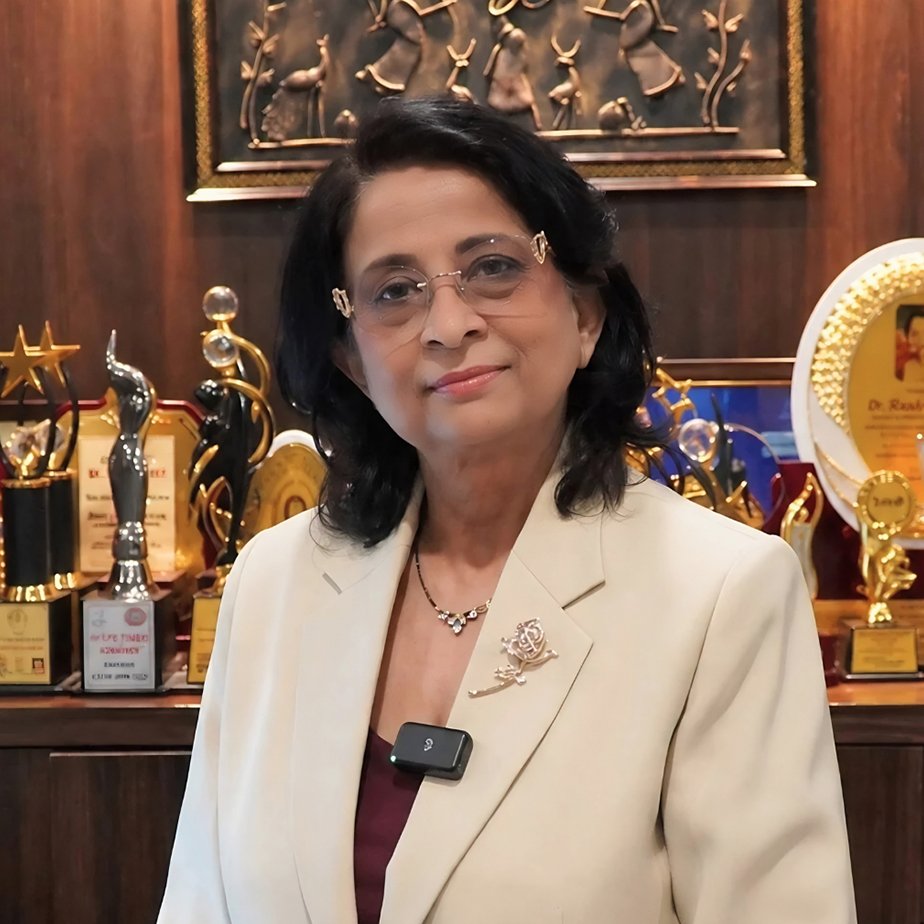
Dr. Rajul Tyagi

  • Director & Head of Infertility
  • Chief Consultant, IVF & Gynaecology
  • Cleveland Clinic Trained

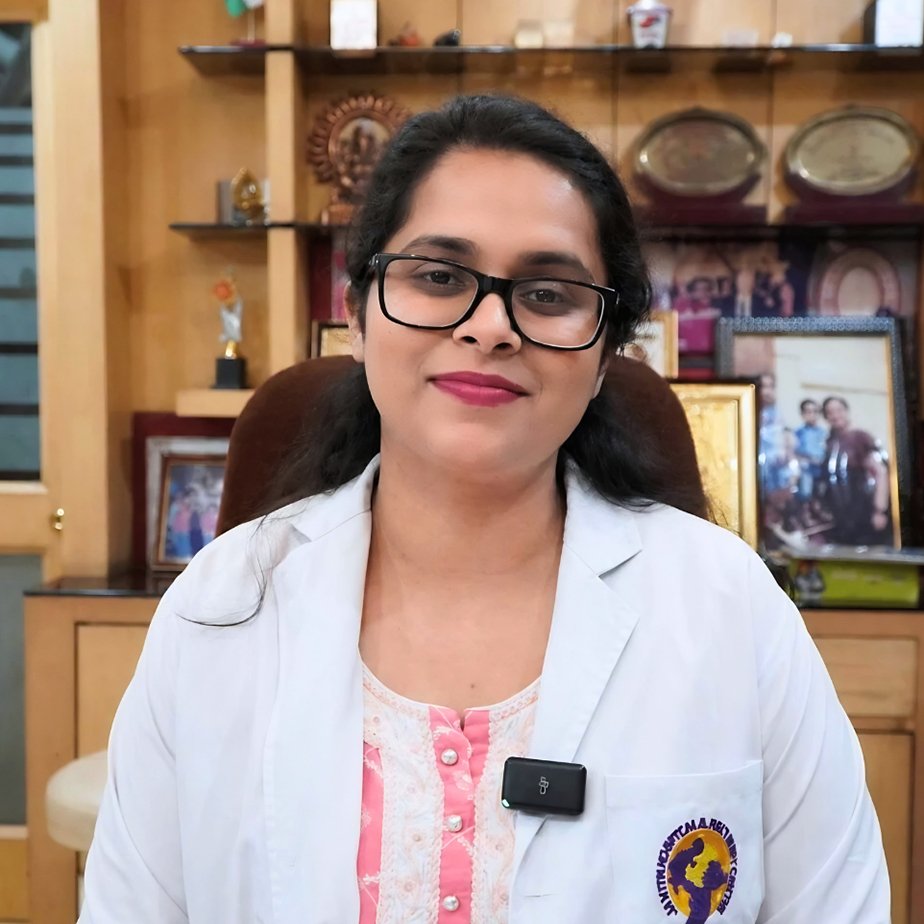
Dr. Lavanya Tyagi

  • Senior IVF Specialist
  • Infertility & Reproductive Medicine
  • IVF Specialist

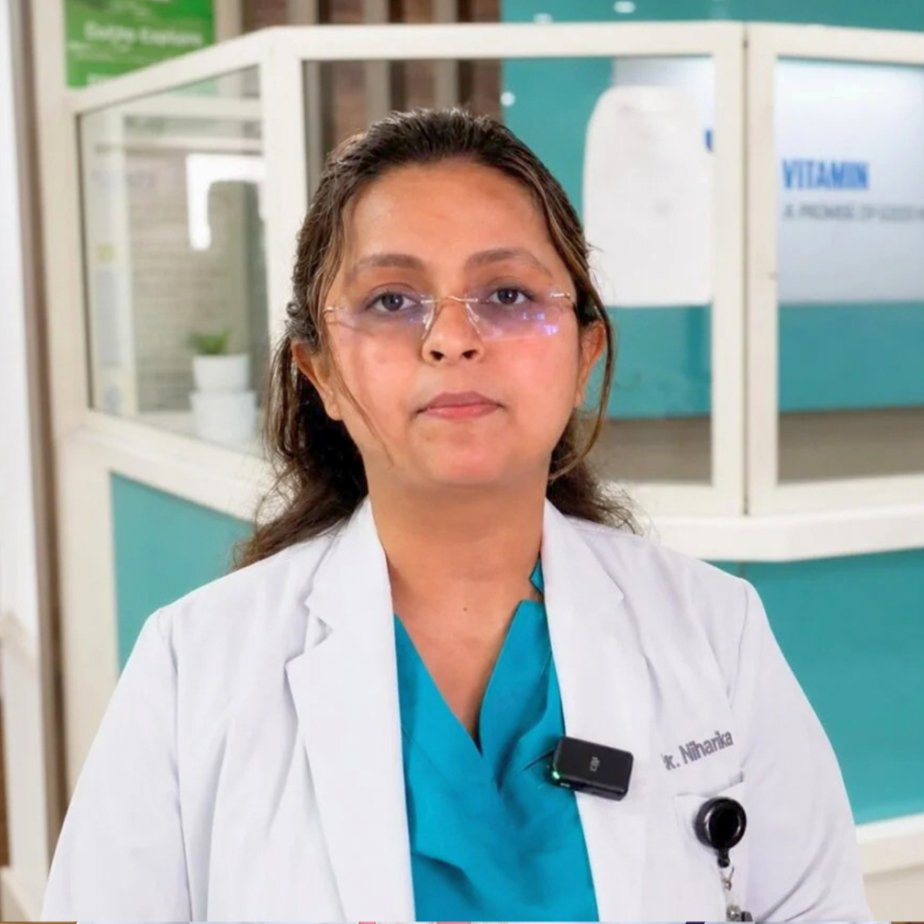
Dr. Niharika Tyagi

  • IVF & Fertility Consultant
  • Reproductive Endocrinology
  • Fertility Expert

Find Out Exactly What Your Fibroids
Mean — and What to Do

A single consultation with our specialist gives you a clear diagnosis, a mapped fibroid report, and a personalised treatment plan — with your fertility goals at the centre.

Pelvic ultrasound and fibroid mapping

Clear explanation of fibroid type, size, and impact

Fertility-preserving treatment recommendation

Medical, surgical, and IVF options explained

EMI options available for all treatments

info@javitrihospital.co.in

Get Consultation Book Appointment

Meet Your Fibroids Specialists at Javitri Hospital

Our internationally trained specialists bring global expertise to Lucknow & Kanpur’s best IVF hospital, combining decades of experience with cutting-edge reproductive medicine.

Dr. Rajul Tyagi

  • Director & Head of Infertility
  • Chief Consultant, IVF & Gynaecology
  • Cleveland Clinic Trained

Dr. Lavanya Tyagi

  • Senior IVF Specialist
  • Infertility & Reproductive Medicine
  • IVF Specialist

Dr. Niharika Tyagi

  • IVF & Fertility Consultant
  • Reproductive Endocrinology
  • Fertility Expert

Dr. Isha Tyagi

  • ENT Specialist
  • Otorhinolaryngology
  • ENT Surgeon

What Our Patients Say

Frequently Asked Questions Uterine Fibroids

Uterine fibroids are benign (non-cancerous) growths that develop from the muscle wall of the uterus. They are not dangerous in the sense of being malignant, fibroids do not turn into cancer. However, depending on their size and location, fibroids in women can cause heavy periods, pelvic pain, urinary problems, and fertility difficulties. With appropriate treatment, the vast majority of women with uterine fibroids live completely normal lives.

Fibroids in the womb (uterus) form from the smooth muscle cells of the uterine wall, likely triggered by oestrogen and progesterone. They are most common during the reproductive years when hormone levels are highest, and they commonly shrink after menopause. The exact reason why some women develop fibroids while others do not is not fully understood, but family history, ethnicity, and age of first menstruation are all contributing factors.

True vaginal fibroids are extremely rare. What is commonly referred to as “vaginal fibroids” is usually a submucosal uterine fibroid that has prolapsed (dropped) through the cervix into the vaginal canal, or occasionally a cervical fibroid. Uterine fibroids originate from the muscle wall of the womb, the vagina has very little smooth muscle and rarely develops true fibroids. A pelvic ultrasound and specialist examination confirms the exact origin and guides the right treatment.

Yes. Fibroids in women can affect fertility and pregnancy, depending on their location. Submucosal fibroids (inside the uterine cavity) are most likely to impair implantation and cause recurrent miscarriage. Large intramural fibroids can distort the cavity or block the fallopian tubes. At Javitri Hospital, all fibroids are mapped before any fertility treatment begins, and only those that genuinely affect the uterine cavity are recommended for removal.

The best treatment for uterine fibroids depends on the fibroid’s size, location, number, and the woman’s age, symptoms, and fertility goals. Options include: hysteroscopic myomectomy (for submucosal fibroids, no incision, same day); laparoscopic myomectomy (keyhole surgery for intramural/subserosal fibroids); open myomectomy (for large or multiple fibroids); medical management (GnRH analogues, progesterone, tranexamic acid); and hysterectomy (for women who have completed their family with severe, uncontrolled symptoms).

Not necessarily. A hysterectomy (removal of the uterus) is only recommended for women who have completed their family, have very large or numerous fibroids, and have symptoms that cannot be managed by other means. For women who wish to preserve their uterus and fertility, myomectomy, either hysteroscopic, laparoscopic, or open, removes the fibroids while keeping the uterus intact. At Javitri Hospital, the default approach is always to preserve the uterus wherever safely possible.

Yes. Fibroid surgery at Javitri Hospital is safe and performed by experienced gynaecological surgeons under NABH-certified protocols. Recovery times depend on the type of surgery: hysteroscopic myomectomy, same day return home, normal activities in 2–5 days; laparoscopic myomectomy, hospital stay 1–2 days, full recovery in 2–3 weeks; open myomectomy, hospital stay 3–5 days, full recovery in 4–6 weeks. Most women who have hysteroscopic or laparoscopic surgery are able to attempt conception 3–6 months after the procedure.

Yes, fibroids can recur after myomectomy because the uterus is preserved and its muscle cells retain the capacity to develop new fibroids. Recurrence rates vary, approximately 20–30% of women may develop new fibroids within 5 years. However, many women conceive and complete their family in the window after myomectomy before any recurrence. Hysterectomy is the only permanent cure, but it is only recommended for women who have completed their family.

No. Many fibroids in the womb cause no symptoms and are found incidentally on routine scanning. These asymptomatic fibroids are monitored with periodic ultrasound rather than treated immediately. Treatment is recommended when fibroids are causing significant symptoms (heavy bleeding, pain, urinary problems), are affecting fertility or causing recurrent miscarriage, or are growing rapidly. Your specialist at Javitri Hospital will advise based on your specific scan findings and symptoms.

Javitri Hospital offers the most complete range of uterine fibroids treatment in Lucknow, hysteroscopic myomectomy, laparoscopic myomectomy, and open surgery, all with a fertility-preserving approach. Our team includes Dr. Rajul Tyagi (MD Obs & Gyn, 30+ years, Cleveland Clinic USA), Dr. Archana Rastogi, and Dr. Shivani Agarwal. We are NABH-accredited, ISO-certified, and rated 4.9★ across 1,840+ Google reviews. For women with fibroids and fertility concerns, our integrated IVF programme provides a complete pathway from fibroid removal to pregnancy.

Frequently Asked Questions Uterine Fibroids

Uterine fibroids are benign (non-cancerous) growths that develop from the muscle wall of the uterus. They are not dangerous in the sense of being malignant, fibroids do not turn into cancer. However, depending on their size and location, fibroids in women can cause heavy periods, pelvic pain, urinary problems, and fertility difficulties. With appropriate treatment, the vast majority of women with uterine fibroids live completely normal lives.

Fibroids in the womb (uterus) form from the smooth muscle cells of the uterine wall, likely triggered by oestrogen and progesterone. They are most common during the reproductive years when hormone levels are highest, and they commonly shrink after menopause. The exact reason why some women develop fibroids while others do not is not fully understood, but family history, ethnicity, and age of first menstruation are all contributing factors.

True vaginal fibroids are extremely rare. What is commonly referred to as “vaginal fibroids” is usually a submucosal uterine fibroid that has prolapsed (dropped) through the cervix into the vaginal canal, or occasionally a cervical fibroid. Uterine fibroids originate from the muscle wall of the womb, the vagina has very little smooth muscle and rarely develops true fibroids. A pelvic ultrasound and specialist examination confirms the exact origin and guides the right treatment.

Yes. Fibroids in women can affect fertility and pregnancy, depending on their location. Submucosal fibroids (inside the uterine cavity) are most likely to impair implantation and cause recurrent miscarriage. Large intramural fibroids can distort the cavity or block the fallopian tubes. At Javitri Hospital, all fibroids are mapped before any fertility treatment begins, and only those that genuinely affect the uterine cavity are recommended for removal.

The best treatment for uterine fibroids depends on the fibroid’s size, location, number, and the woman’s age, symptoms, and fertility goals. Options include: hysteroscopic myomectomy (for submucosal fibroids, no incision, same day); laparoscopic myomectomy (keyhole surgery for intramural/subserosal fibroids); open myomectomy (for large or multiple fibroids); medical management (GnRH analogues, progesterone, tranexamic acid); and hysterectomy (for women who have completed their family with severe, uncontrolled symptoms).

Not necessarily. A hysterectomy (removal of the uterus) is only recommended for women who have completed their family, have very large or numerous fibroids, and have symptoms that cannot be managed by other means. For women who wish to preserve their uterus and fertility, myomectomy, either hysteroscopic, laparoscopic, or open, removes the fibroids while keeping the uterus intact. At Javitri Hospital, the default approach is always to preserve the uterus wherever safely possible.

Yes. Fibroid surgery at Javitri Hospital is safe and performed by experienced gynaecological surgeons under NABH-certified protocols. Recovery times depend on the type of surgery: hysteroscopic myomectomy, same day return home, normal activities in 2–5 days; laparoscopic myomectomy, hospital stay 1–2 days, full recovery in 2–3 weeks; open myomectomy, hospital stay 3–5 days, full recovery in 4–6 weeks. Most women who have hysteroscopic or laparoscopic surgery are able to attempt conception 3–6 months after the procedure.

Yes, fibroids can recur after myomectomy because the uterus is preserved and its muscle cells retain the capacity to develop new fibroids. Recurrence rates vary, approximately 20–30% of women may develop new fibroids within 5 years. However, many women conceive and complete their family in the window after myomectomy before any recurrence. Hysterectomy is the only permanent cure, but it is only recommended for women who have completed their family.

No. Many fibroids in the womb cause no symptoms and are found incidentally on routine scanning. These asymptomatic fibroids are monitored with periodic ultrasound rather than treated immediately. Treatment is recommended when fibroids are causing significant symptoms (heavy bleeding, pain, urinary problems), are affecting fertility or causing recurrent miscarriage, or are growing rapidly. Your specialist at Javitri Hospital will advise based on your specific scan findings and symptoms.

Javitri Hospital offers the most complete range of uterine fibroids treatment in Lucknow, hysteroscopic myomectomy, laparoscopic myomectomy, and open surgery, all with a fertility-preserving approach. Our team includes Dr. Rajul Tyagi (MD Obs & Gyn, 30+ years, Cleveland Clinic USA), Dr. Archana Rastogi, and Dr. Shivani Agarwal. We are NABH-accredited, ISO-certified, and rated 4.9★ across 1,840+ Google reviews. For women with fibroids and fertility concerns, our integrated IVF programme provides a complete pathway from fibroid removal to pregnancy.

Explore Related Gynaecology & Fertility Treatments

Uterine Fibroids Treatment Clinics, Lucknow & Kanpur

All three centres are equipped with advanced fertility labs, dedicated consultation rooms, and experienced fertility specialists, so you can receive world-class care close to home.

Lucknow – Telibagh
Main Hospital & IVF Lab

Address : Raebareli Road, Telibagh, Lucknow – 226025

Phone : +91 99360 68274

Hours :  24/7 Patient  Care

Services : IVF, IUI, ICSI, NICU, High-Risk Pregnancy, Delivery

Get Direction

Lucknow – Badshahnagar
Fertility Clinic & OPD

Address : Center Cross Road, Plaza Badshahnagar, Lucknow

Phone : +91 75720 71497

Hours : 24/7 Patient  Care

Services :IVF Consultations, IUI, Fertility Assessment, Gynaecology

Get Direction

Kanpur – Swaroop Nagar (NEW)
IVF & Fertility Clinic

Address : Near Moti Jheel Metro Station, Swaroop Nagar, Kanpur

Phone : +91 73555 78735

Hours : 24/7 Patient  Care

Services :IVF, IUI, ICSI, Fertility Consultations, Gynaecology

Get Direction

Uterine Fibroids Treatment in Lucknow, Comprehensive Care at Javitri Hospital

Expert Care for Fibroids in Women

Javitri Hospital provides the most complete range of uterine fibroids treatment in Lucknow, Kanpur, from medical management to hysteroscopic and laparoscopic myomectomy, all with a clear fertility-preserving philosophy. For women with fibroids in the womb affecting their ability to conceive, our integrated IVF programme provides a seamless pathway from fibroid removal to pregnancy.

What is commonly searched as “vaginal fibroids” is almost always a submucosal or prolapsed uterine fibroid, accurately diagnosed with transvaginal ultrasound and hysteroscopy at our Lucknow centres.

Specialist Fibroid Surgeons, Lucknow

Every fibroids in women case at Javitri Hospital is evaluated by a consultant gynaecologist with extensive experience in operative hysteroscopy and laparoscopy. Dr. Rajul Tyagi, 30+ years, MD Obs & Gyn KGMU, trained at Cleveland Clinic Ohio USA and University Hospital Brussels, leads a team that genuinely prioritises fertility preservation at every step.

To book your fibroid evaluation, call +91 99360 68274 or email info@javitrihospital.co.in.

Get Expert Uterine Fibroids Treatment at Javitri Hospital

Precise diagnosis. Fertility-preserving surgery. Complete care, from fibroids to pregnancy.

Book Free Consultation →

📞 +91-99360-68274 | ✉ info@javitrihospital.co.in 

Lucknow · Kanpur · NABH · ISAR · ISO