50–60% of IVF failures are due to embryo chromosomal issues
1 in 4 couples have a displaced implantation window (ERA)

Why IVF Fails — And What to Do Next, at Javitri Hospital.

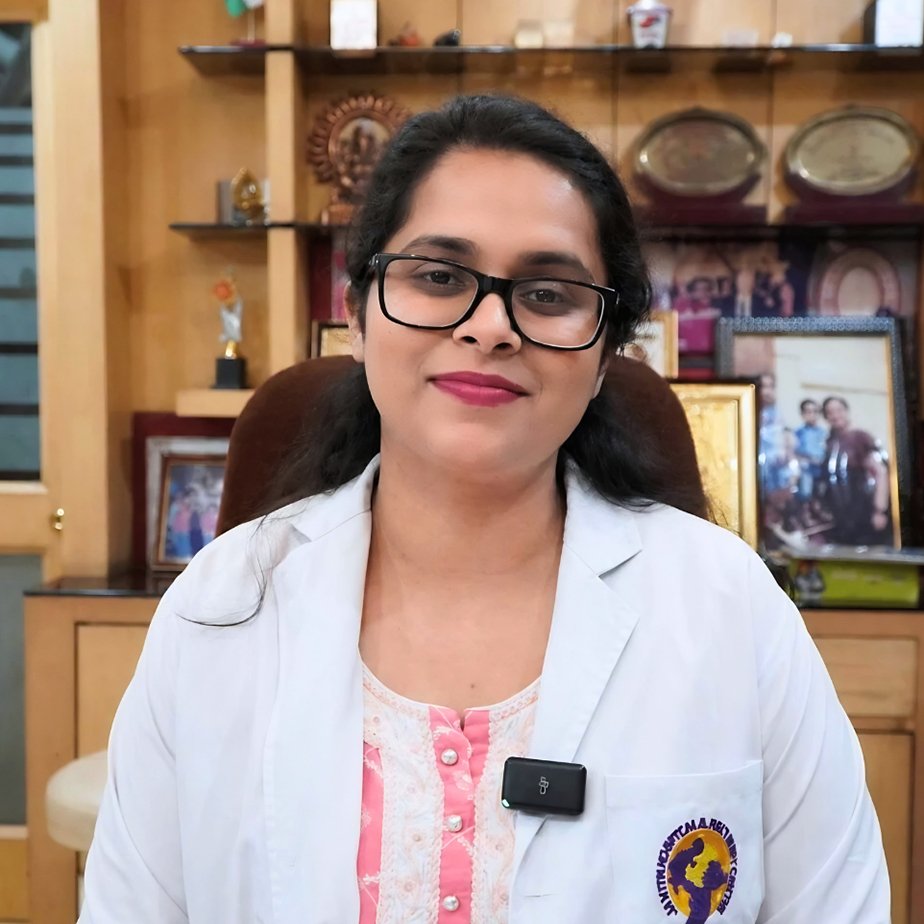
“A failed IVF cycle is one of the most difficult experiences a couple can face. You deserve honest answers about why it happened and a clear, evidence-based plan for what comes next.”

— Dr. Rajul Tyagi, Founder & Director, Javitri Hospital

IVF does not succeed every time, even in the best centres in the world. But a failed cycle always carries information. Our specialist failed IVF review identifies the exact reason and builds a personalised protocol for your next cycle.

Call - 9936068274 Book a Failed IVF Review →

30+ Years IVF
expertise at Javitri 

4.9★
Google Rating

🩺 TESA · PESA · MESA · TESE
🔬 NABH-Certified Andrology Lab
🖥️ Computerised ICSI
💰 Transparent Cost · EMI Available
📍 Lucknow · Kanpur

Understanding IVF Failure

Why IVF Fails — A Direct, Honest Answer

Why IVF fails comes down to five core factors: embryo chromosomal abnormalities (the leading cause), poor egg or sperm quality, implantation failure (the embryo does not attach to the uterine lining), uterine problems (polyps, fibroids, thin lining), and suboptimal stimulation or laboratory conditions. Most IVF cycles that fail do so at the implantation stage — a transferred embryo simply does not result in a pregnancy. A single failed IVF cycle does not predict the outcome of the next cycle — but it always provides information that, when properly analysed, significantly improves future success.

IVF success rates per cycle range from approximately 35–50% in women under 35, declining with age. This means even in the best possible clinical scenario, there is a substantial chance any single cycle will not succeed. A failed cycle is therefore not a verdict — it is a data point.

At Javitri Hospital, every failed IVF case receives a systematic review by Dr. Rajul Tyagi before any next-cycle decision is made — examining embryo development records, stimulation response, endometrial preparation, sperm quality, and implantation conditions.

Failed IVF — At a Glance
IVF Success Rate (under 35) 35–50% per cycle
Leading Cause of Failure Embryo chromosomal errors
Implantation Failure ~30% of failures
Sperm DNA Fragmentation Often missed — treatable
Displaced Implantation Window Diagnosed by ERA test
Recurrent Failure Investigation ERA · PGT-A · DFI · Hysteroscopy
Natural Pregnancy After Failure Possible in some cases
Next Cycle Wait Min. 1 full cycle (4–6 weeks)
Period After Failed IVF 10–14 days post-progesterone stop

Why Did IVF Fail? The Most Common Reasons

What Javitri Hospital Investigates After a Failed IVF Cycle

Every treatment is initiated based on clinical assessment. Our neonatologist guides families through each decision with complete transparency.

Treatment Options After a Failed IVF Cycle

The right next step is determined by the cause identified in your failed IVF review — not a generic repeat of the same protocol.

Period After Failed IVF — and Can You Conceive Naturally?

What Happens to Your Body After a Failed IVF Cycle

D0-Embryo Transfer Day

The embryo is transferred. Progesterone support medication continues. The two-week wait (2WW) begins.

D12-Beta-hCG Pregnancy Test

Blood test confirms whether implantation occurred. A negative result confirms the cycle has not resulted in pregnancy.

Stop-Progesterone Medication Stopped

After a confirmed negative result, the specialist advises stopping all progesterone support. This is the trigger for the body to shed the uterine lining.

7–14-Period After Failed IVF Arrives

The period typically arrives 7–14 days after stopping progesterone. It may be heavier or more crampy than usual — this is entirely normal and expected.

4–6w-Recovery & Review Window

Most specialists recommend one full natural cycle before starting a new IVF stimulation. This is the time to complete your failed IVF review and plan the next cycle.

⚠️ If no period arrives within 6 weeks of stopping progesterone contact your specialist. In very rare cases a very low positive
beta-hCG may not have been detected, or cycle irregularity may need investigation.

Natural Pregnancy After Failed IVF
Is It Possible?
  • Yes — for some couples. Natural pregnancy after failed IVF is a well-documented phenomenon, particularly in women under 38 with unexplained infertility or mild diagnoses.
  • 📊 Studies suggest that a meaningful proportion of couples with unexplained infertility conceive naturally between IVF cycles — without further medical intervention.
  • 🔬 The physical process of ovarian stimulation and egg retrieval does not permanently reduce natural fertility — the ovaries recover fully within 1–2 cycles in most women.
  • Natural conception is unlikely if the infertility cause is absolute — such as bilateral tubal blockage, severe azoospermia, or premature ovarian insufficiency. In these cases, IVF remains the pathway.
  • 🤰 Women who conceive naturally after failed IVF most commonly do so in the 3–6 months following the cycle — many are actively trying during this window while planning the next cycle.
  • 💬 Our advice: do not stop trying naturally in the interval between cycles — unless your diagnosis makes natural conception impossible. Your specialist will guide you clearly on this at your review consultation.

How Javitri Hospital Reviews a Failed IVF Case

A structured review process designed to identify the cause of failure and optimise the next treatment cycle.

1

Full Cycle Records Review

We review your complete previous cycle records — stimulation protocol, follicle counts, egg numbers, fertilisation rates, embryo grading, and endometrial thickness. Every detail matters.

2

Targeted Investigation

Based on the records review, we order targeted tests — sperm DFI, ERA, hysteroscopy, thrombophilia screen, immunological tests, or AMH reassessment — only what is actually indicated.

3

Personalised Protocol Design

Dr. Rajul Tyagi personally designs the next cycle protocol — with a different stimulation approach, ERA-guided transfer timing, PGT-A screening, or donor egg pathway as appropriate.

4

Supported Next Cycle

The next cycle is monitored more closely — with additional checkpoints built in to catch and correct sub-optimal responses in real time, not retrospectively.

Meet the Team Behind Your Failed IVF Review

Our internationally trained specialists bring global expertise to Lucknow & Kanpur’s best IVF hospital, combining decades of experience with cutting-edge reproductive medicine.

Dr. Isha Tyagi

  • ENT Specialist
  • Otorhinolaryngology
  • ENT Surgeon

Dr. Rajul Tyagi

  • Director & Head of Infertility
  • Chief Consultant, IVF & Gynaecology
  • Cleveland Clinic Trained

Dr. Lavanya Tyagi

  • Senior IVF Specialist
  • Infertility & Reproductive Medicine
  • IVF Specialist

Dr. Niharika Tyagi

  • IVF & Fertility Consultant
  • Reproductive Endocrinology
  • Fertility Expert

Meet Our Fertility Treatment Experts

Our internationally trained specialists bring global expertise to Lucknow & Kanpur’s best IVF hospital, combining decades of experience with cutting-edge reproductive medicine.

Dr. Rajul Tyagi

  • Director & Head of Infertility
  • Chief Consultant, IVF & Gynaecology
  • Cleveland Clinic Trained

Dr. Lavanya Tyagi

  • Senior IVF Specialist
  • Infertility & Reproductive Medicine
  • IVF Specialist

Dr. Niharika Tyagi

  • IVF & Fertility Consultant
  • Reproductive Endocrinology
  • Fertility Expert

Dr. Isha Tyagi

  • ENT Specialist
  • Otorhinolaryngology
  • ENT Surgeon
Book Your Evaluation

IVF Failed — Here Is Where You Start Over, Smarter.

A failed IVF cycle is not a full stop. It is the beginning of a more targeted investigation. Bring your previous cycle records to Javitri Hospital and let our specialist build you a better protocol.

Complete previous cycle records review

Sperm DFI test and hormonal reassessment

ERA, PGT-A, and hysteroscopy as indicated

Personalised next-cycle protocol by Dr. Rajul Tyagi

EMI options available for all treatments

✉info@javitrihospital.co.in

+91 9936068274 Visit Our Clinic

Couples Who Succeeded After a Failed IVF Cycle

4.8 Rating on Google | 3,000+ Patient Reviews

Our Google reviews highlight patient experiences with IVF treatment, maternity care, and the support provided by our doctors and staff.

Frequently Asked Questions Failed IVF

The most common reason why IVF fails is embryo chromosomal abnormality — accounting for approximately 50–60% of all failed transfers. Chromosomally abnormal embryos fail to implant or result in very early pregnancy loss, and this cannot be detected by standard embryo grading under a microscope. Other common reasons IVF fails include implantation failure, poor egg quality, sperm DNA fragmentation, uterine problems (polyps, thin lining), and suboptimal protocol or laboratory conditions.

Good-looking embryos on day 3 or day 5 do not guarantee success because standard grading only assesses the embryo’s appearance — not its chromosomal content. The most common reasons IVF fails with apparently good embryos are chromosomal abnormalities invisible to grading (identifiable only by PGT-A), a displaced implantation window in the endometrium (identifiable by ERA test), sperm DNA fragmentation causing poor embryo quality not visible morphologically, uterine abnormalities, and immune or thrombophilia factors. At Javitri Hospital, all these are systematically investigated after two or more failed cycles with good embryos.

The period after a failed IVF cycle typically arrives 7–14 days after stopping progesterone support medication. If you were on vaginal progesterone pessaries, tablets, or injections, your period usually begins within 10–14 days of stopping them. The first period after a failed IVF cycle may be heavier, more clotted, or more crampy than usual — this is normal and reflects the thickened endometrium built up during the stimulation and luteal phase. If no period arrives within 6 weeks of stopping progesterone, contact your specialist.

Javitri Hospital offers the most comprehensive failed IVF investigation and next-cycle planning in Lucknow. Dr. Rajul Tyagi — MD Obs & Gyn KGMU, 30+ years of experience, trained at Cleveland Clinic USA and Brussels University — personally reviews every failed IVF case. Our centre offers ERA testing, PGT-A embryo screening, sperm DNA fragmentation analysis, hysteroscopy, and a complete donor egg IVF programme. We are NABH-accredited, ISO-certified, and rated 4.9★ across 1,840+ Google reviews. Most importantly, we give you honest answers about why IVF failed and a genuinely personalised plan — not a generic repeat of the same cycle.

Yes. Donor egg IVF is the most appropriate next step when repeated IVF failure is due to poor egg quality or severely diminished ovarian reserve (very low AMH, poor response despite maximum stimulation, consistently poor embryo quality). Using eggs from a younger, screened donor dramatically improves embryo chromosomal quality and IVF success rates. At Javitri Hospital, our Donor IVF Programme is completely ethical, NABH-cleared, and fully legally compliant — with all donors screened for medical, genetic, and psychological suitability. The decision is made sensitively, with full informed consent and counselling.

The ERA (Endometrial Receptivity Array) is a genetic test on a uterine lining biopsy that identifies your personal implantation window — the specific time when your endometrium is most receptive to an embryo. Standard IVF protocols assume the same transfer timing for every woman, but research shows up to 25% of women with recurrent implantation failure have a displaced window. An ERA-guided personalised embryo transfer (pET) adjusts the transfer timing accordingly — significantly improving implantation rates. ERA is recommended at Javitri Hospital after two or more failed cycles with good embryos and no other identified cause.

Yes — sperm DNA fragmentation (DFI) is one of the most commonly missed causes of recurrent IVF failure. Standard semen analysis assesses sperm count, motility, and shape — but not the integrity of the DNA inside. High DFI causes poor fertilisation, arrested embryo development, and early pregnancy loss even when semen parameters look entirely normal. DFI testing is recommended at Javitri Hospital in any couple with two or more failed IVF cycles, poor embryo quality, or recurrent early miscarriage. When found, it is treated with antioxidants, lifestyle changes, or surgical sperm retrieval — which often yields sperm with lower DNA fragmentation.

PGT-A (Preimplantation Genetic Testing for Aneuploidies) tests embryo chromosomes by taking a small biopsy from each blastocyst before transfer. Only chromosomally normal (euploid) embryos are transferred — avoiding the leading cause of IVF failure entirely. PGT-A is most beneficial for women over 35, those with two or more failed IVF cycles, and couples with recurrent early pregnancy loss after IVF. It reduces the number of failed transfer attempts and the emotional and financial cost of multiple cycle failures. At Javitri Hospital, PGT-A is available as part of an IVF cycle or a frozen embryo transfer cycle.

The standard recommendation is to wait at least one full natural menstrual cycle (4–6 weeks) before starting a new stimulation cycle — to allow the ovaries to fully recover and the endometrium to reset. However, the more important question is not timing but investigation: the same protocol used in a failed cycle should not simply be repeated without understanding why it failed. At Javitri Hospital, we complete the failed IVF review before planning the next cycle timeline — ensuring you wait the right amount of time and start the next cycle with a better-informed protocol.

Yes — natural pregnancy after failed IVF is possible, and it happens more often than many couples expect. This is most likely in women under 38 with unexplained infertility, mild male factor, or when the IVF failure was related to protocol or laboratory issues rather than absolute biological barriers. IVF stimulation does not permanently affect natural fertility — the ovaries recover fully. However, natural conception is not a realistic expectation when the cause of infertility is absolute (bilateral tubal blockage, severe azoospermia, premature ovarian insufficiency). Your specialist at Javitri Hospital will advise honestly based on your specific diagnosis.

NICU Care — FAQs for Parents

NICU care Neonatal Intensive Care Unit care is specialised, round-the-clock medical support provided to newborns who are premature, critically ill, or have low birth weight. A neonatal intensive care unit provides continuous vital monitoring, mechanical ventilation, phototherapy, surfactant therapy, and intravenous nutrition – all under 24/7 supervision by a qualified neonatologist and a trained NICU nursing team.

A neonatal intensive care unit (NICU) is a specialised hospital ward designed to care for premature and critically ill newborns. It is equipped with incubators, ventilators, phototherapy units, monitoring systems, and infusion pumps — and staffed by neonatologists and NICU-trained nurses at all times. NICUs are classified by level — Level I (basic care), Level II (special care), and Level III (advanced intensive care). Javitri Hospital operates a Level III neonatal intensive care unit for the most complex newborn cases.

A neonatal care unit is a broader term that covers all levels of specialised newborn care — from routine observation of well babies to full intensive care. A NICU specifically refers to the higher-level neonatal units (Level II and III) where critically ill, premature, or very low birth weight babies receive intensive management with advanced equipment and specialist care. Javitri Hospital’s neonatal unit is a Level III facility — the highest designation for a neonatal care unit in India.

A neonatal unit cares for newborns from birth to 28 days of age who need specialist support beyond routine care. Babies admitted to our neonatal unit include: premature babies born before 37 weeks; babies with low birth weight (under 2.5 kg); babies with respiratory distress or breathing difficulty; newborns with birth asphyxia or low APGAR scores; babies with neonatal sepsis; those with severe jaundice; and newborns requiring post-surgical monitoring.

An infant intensive care unit (NICU or neonatal ICU) is specifically designed for newborns — babies from birth to 28 days old. It differs from a Paediatric Intensive Care Unit (PICU), which cares for older infants and children. The NICU has equipment, medications, and protocols specifically calibrated for neonatal physiology — premature lungs, fragile skin, immature organ systems, and the unique metabolic needs of the newborn period. Javitri Hospital’s infant intensive care unit is staffed by neonatologists with specialist training in neonatal medicine.

NICU stay duration depends on the baby’s gestational age and condition. Babies with mild jaundice or brief respiratory issues may stay 2–5 days. Moderately premature babies (32–36 weeks) may stay 2–4 weeks. Very premature babies (under 32 weeks) may stay 4–10 weeks or more. At Javitri Hospital, our neonatology team sets clear, transparent discharge milestones — so parents always know exactly what their baby needs to achieve before going home.

Yes. Javitri Hospital’s neonatal intensive care unit operates 24 hours a day, 7 days a week, 365 days a year. A qualified neonatologist is present in the NICU at all times — not merely on call. This means critical decisions, emergency interventions, and urgent admissions are handled immediately without delay. Parents can receive updates on their baby’s condition at any time of the day or night.
Yes. Javitri Hospital’s neonatal unit follows a family-centred care model. Parents are actively encouraged to participate in kangaroo mother care (skin-to-skin contact), assist with feeding and nappy changes where appropriate, and attend daily neonatologist briefings. Research consistently shows that parental involvement in nicu care improves outcomes — faster weight gain, shorter NICU stays, and stronger developmental outcomes for premature and ill newborns.
Kangaroo Mother Care (KMC) is a WHO-recommended practice in which a premature or low birth weight baby is placed skin-to-skin on the parent’s chest for extended daily periods. Clinical evidence demonstrates that KMC in the neonatal care unit stabilises the baby’s temperature, heart rate, and oxygen levels; promotes weight gain; reduces risk of infection; supports breastfeeding; and strengthens parent-baby bonding. Javitri Hospital integrates KMC as a structured daily protocol in our neonatal unit for all eligible premature babies.
Javitri Hospital offers one of Lucknow’s most advanced neonatal intensive care units — a Level III NICU with 24/7 neonatologist cover, mechanical ventilators, CPAP, surfactant therapy, phototherapy, therapeutic hypothermia for birth asphyxia, and a structured kangaroo mother care programme. Furthermore, as a NABH-accredited hospital with 30+ years of integrated obstetric and neonatal expertise, Javitri Hospital provides seamless care from high-risk pregnancy through delivery to newborn intensive care — ensuring every critically ill newborn receives the best possible start in life.
 

Explore Related Male Infertility Treatments

Failed IVF Review Clinics — Lucknow & Kanpur

All three centres are equipped with advanced fertility labs, dedicated consultation rooms, and experienced fertility specialists, so you can receive world-class care close to home.

Lucknow – Telibagh
Main Hospital & IVF Lab

Address : Raebareli Road, Telibagh, Lucknow – 226025

Phone : +91 99360 68274

Hours :  24/7 Patient  Care

Services : IVF, IUI, ICSI, NICU, High-Risk Pregnancy, Delivery

Get Direction

Lucknow – Badshahnagar
Fertility Clinic & OPD

Address : Center Cross Road, Plaza Badshahnagar, Lucknow

Phone : +91 75720 71497

Hours : 24/7 Patient  Care

Services :IVF Consultations, IUI, Fertility Assessment, Gynaecology

Get Direction

Kanpur – Swaroop Nagar (NEW)
IVF & Fertility Clinic

Address : Near Moti Jheel Metro Station, Swaroop Nagar, Kanpur

Phone : +91 73555 78735

Hours : 24/7 Patient  Care

Services :IVF, IUI, ICSI, Fertility Consultations, Gynaecology

Get Direction

Failed IVF Treatment in Lucknow — Why IVF Fails & How Javitri Hospital Helps

Why IVF Fails — And Why the Answer Matters

Understanding why IVF fails is the only legitimate basis for improving the next cycle. At Javitri Hospital, every failed cycle is treated as a diagnostic event — not a setback to be repeated. Why did IVF fail with good embryos? Often the answer is chromosomal (PGT-A), a displaced implantation window (ERA), or sperm DNA damage (DFI) — none of which are visible on standard semen analysis or embryo grading.

Questions about natural pregnancy after failed IVF and period after failed IVF are among the most searched fertility topics in India — and both deserve clear, accurate clinical answers rather than generic reassurance.

Lucknow’s Most Thorough Failed IVF Review

Javitri Hospital offers the most complete failed IVF investigation programme in Lucknow — ERA testing, PGT-A embryo screening, sperm DNA fragmentation analysis, hysteroscopy, and a complete donor egg IVF pathway, all led by Dr. Rajul Tyagi (MD Obs & Gyn KGMU, 30+ years, Cleveland Clinic USA).

To book your failed IVF review in Lucknow, call +91 99360 68274 or email info@javitrihospital.co.in. Please bring all previous cycle records to your first consultation.

IVF Failed? Find Out Why — and What Comes Next.

A systematic review. A better protocol. A real path forward — at Javitri Hospital, Lucknow.

📅 Book a Failed IVF Review → Call +91-9936068274

✉ info@javitrihospital.co.in | 3 Clinics · Lucknow & Kanpur