High-Risk & Multiple Pregnancy Care · Since 1997

Triplets Babies Pregnancy Care in Lucknow

Learning that you are expecting triplets brings triple the joy — and a pregnancy that needs the closest possible care. Carrying three babies asks a great deal of your body, so a triplet pregnancy is monitored far more intensively than a single or even a twin pregnancy, ideally led by a fetal medicine specialist. At Javitri Hospital, triplet pregnancy care brings detailed ultrasound surveillance, high-risk obstetric expertise and a 30-bed NICU together under one roof in Lucknow.

Fetal Medicine led

Specialist ultrasound surveillance

30-bed NICU

On site for early arrivals

Scans every 2 wks

All three babies watched closely

Since 1997

Caring for families in Lucknow

Book a Consultation Call +91 99360 68274

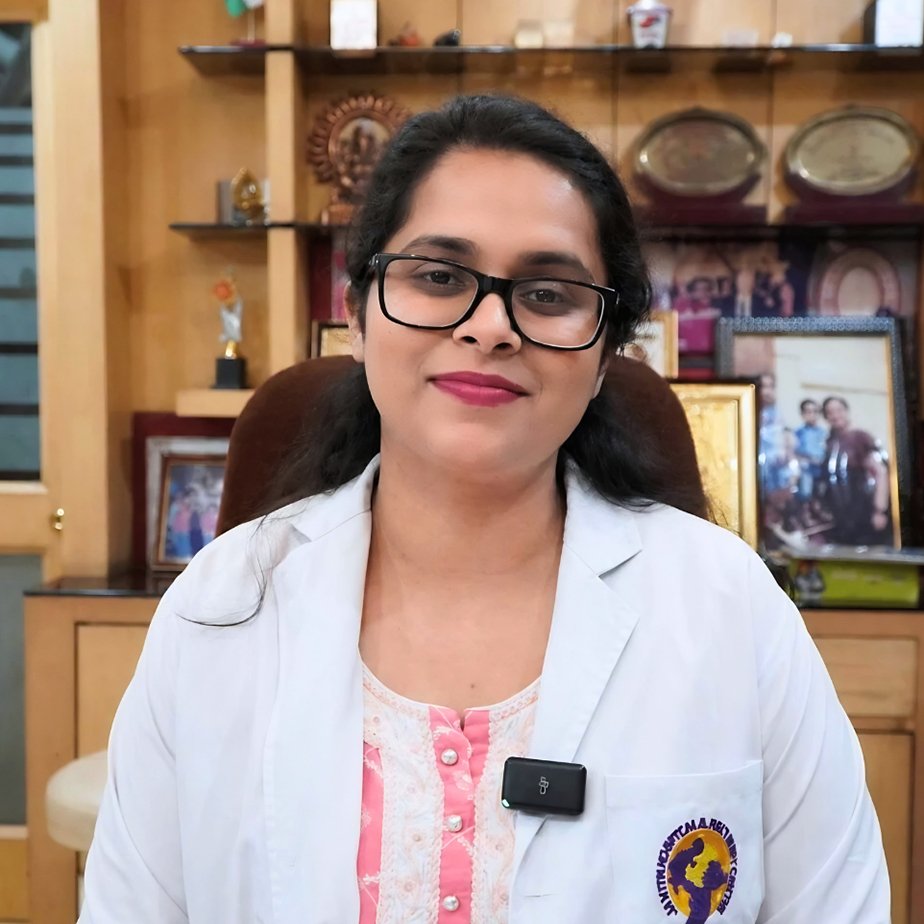
Medically reviewed by Dr. Niharika Tyagi — Fetal Medicine & High-Risk Pregnancy, Javitri Hospital · FMF (UK) certified · King’s College London trained.


What Is Care of a Triplet Pregnancy?

You may wonder what makes the care of a triplet pregnancy different from a single-baby or twin pregnancy. When you are carrying three babies, your body makes much more blood, your uterus stretches far more, and your babies need more space and nutrition to grow. Because of this, a triplets babies pregnancy is watched very closely at every stage — the level of monitoring is higher than for twins, and the whole pregnancy is treated as high-risk from the start.

At Javitri, care during a triplet pregnancy is coordinated between our fetal medicine, high-risk obstetric and neonatal teams, so the same hospital that monitors your pregnancy also delivers your babies and cares for them in the NICU. In practice, that means very frequent ultrasound scans, a carefully planned high-calorie diet, close monitoring of your blood pressure and sugar, watching for early labour, and expert support with the tiredness and physical strain that triplets bring. You can read more about our high-risk pregnancy care.

TRIPLET PREGNANCY AT A GLANCE
Care led byFetal medicine specialist
Key early scanChorionicity at 11–14 weeks
Growth scansEvery 2 weeks
Screened forPre-eclampsia · GDM · anaemia
DeliveryPlanned caesarean, usually 32–34 wks
Newborn backup30-bed NICU on site

Why a Triplet Pregnancy Needs Intensive Care

Understanding Your Triplet Types (Chorionicity)

The first and most important ultrasound happens between 11 and 14 weeks. For triplets it tells us how many placentas and sacs your babies share — which is the single biggest factor in how often you are scanned and how your delivery is planned.

Your Monitoring Schedule and Checkups

For good care of a triplet pregnancy, you will visit the hospital much more often than mothers expecting one or two babies. From your first visit you have a clear plan and one team that knows your history.

  • Dating and chorionicity scan at 11–14 weeks
  • Cervical length checks from around 16 weeks to watch for early labour
  • Growth scans about every two weeks for all three babies
  • Heartbeat and blood-flow checks for each baby
  • Screening for pre-eclampsia, gestational diabetes and anaemia
  • An early, planned delivery date agreed well in advance

Read about our complete pregnancy care or meet Dr. Niharika Tyagi, our fetal medicine specialist.

TYPICAL MONITORING SCHEDULE
11–14 weeksDating & chorionicity scan
From 16 weeksCervical length checks
From 16 weeksGrowth scan every 2 weeks
24–28 weeksGestational diabetes screen
From 28 weeksBlood-flow & wellbeing checks
32–34 weeksPlanned delivery

How Are Triplets Confirmed? The Triplet Pregnancy Test

Many mothers ask how triplets are first found. A standard urine or blood pregnancy test only confirms that you are pregnant — it cannot tell you how many babies you are carrying, and it does not read differently for triplets. What actually confirms triplets is an ultrasound scan. The first scan, usually in the early weeks, counts the number of babies and their heartbeats, and the detailed scan between 11 and 14 weeks then confirms how many placentas and sacs they share.

A blood test for the pregnancy hormone hCG sometimes reads higher than usual in a multiple pregnancy, and very strong early symptoms such as severe nausea can be a hint, but neither is a reliable triplet pregnancy test on its own. Only an ultrasound can confirm triplets with certainty — which is why an early scan matters so much. Learn more about our pregnancy care and scanning.

Natural Triplet Pregnancy vs Triplets After IVF

Triplets can happen both naturally and after fertility treatment. A natural triplet pregnancy is uncommon and is more likely with a family history of multiples, older maternal age, or in certain ethnic groups — it happens when three eggs are released and fertilised, or when a fertilised egg splits. Triplets are also seen after fertility treatment, particularly when more than one embryo is transferred or with ovulation-inducing medication.

Whichever way your triplets were conceived, the pregnancy is monitored in exactly the same intensive way. If you are still planning fertility treatment, your specialist will explain that modern IVF strongly favours transferring a single embryo, precisely because a triplet pregnancy carries much higher risks than a single one. You can read more on our IVF treatment page.

Diet and Nutrition for Three Babies

Good nutrition is one of the most important parts of care during a triplet pregnancy — you are eating to help three babies gain healthy weight. Your dietitian will personalise your plan, and these general steps help most mothers expecting triplets.

  • Eat plenty of protein-rich foods such as dals, paneer, eggs and milk
  • Take your iron, folic acid and calcium exactly as advised
  • Drink plenty of water to support the fluid around all three babies
  • Add extra daily calories as your dietitian advises, spread across small frequent meals

Rest and Daily Life

Rest is a major part of triplet pregnancy care. Carrying three babies is physically demanding, and small adjustments protect you and all three babies through the later months.

  • Avoid lifting anything heavy and ask for help with daily tasks
  • Take short rests through the day and avoid standing for long periods
  • Sleep on your left side to support blood flow to the babies
  • If reduced activity or bed rest is advised, it is to help prevent early labour

Contact us the same day if you notice reduced movements from any baby, bleeding, severe headache or vision changes, sudden swelling, or tightening before your planned delivery. Call +91 99360 68274 at any hour.

Planning the Delivery of Your Triplets

Triplets almost never wait for the full nine months — most are ready to arrive between 32 and 34 weeks, and sometimes earlier. Because of this, and because of the way the babies lie in the womb, triplets are almost always delivered by a planned caesarean, which is the safest option for the mother and all three babies. Your doctor will discuss your delivery plan with you well in advance, and our operation theatres are ready around the clock.

Whatever your plan, our team is fully prepared for a caesarean, with senior obstetric, anaesthetic and neonatal teams present at the birth of triplets.

NICU Support for Newborn Triplets

Because triplets are usually born early, they are often smaller at birth and may need help with breathing and feeding. Care does not stop at delivery: our NICU, staffed by neonatologists around the clock, uses incubators and continuous monitoring so premature or small triplets receive expert care from the moment they are born. Learn about our NICU →

Your Triplet Pregnancy Care Team

Triplet pregnancies are cared for by our fetal medicine and high-risk obstetric specialists, supported by our neonatal team.

Dr. Rajul Tyagi

  • Director & Head of Infertility
  • Chief Consultant, IVF & Gynaecology
  • Cleveland Clinic Trained

Dr. Niharika Tyagi

  • Head of Fetal Medicine
  • High-Risk & Multiple Pregnancy
  • FMF (UK) Certified

Dr. Lavanya Tyagi

  • Senior IVF Specialist
  • Infertility & Reproductive Medicine
  • IVF Specialist

Dr. Rajul Tyagi

  • Director & Head of Infertility
  • Chief Consultant, IVF & Gynaecology
  • Cleveland Clinic Trained

Dr. Niharika Tyagi

  • Head of Fetal Medicine
  • High-Risk & Multiple Pregnancy
  • FMF (UK) Certified

Dr. Lavanya Tyagi

  • Senior IVF Specialist
  • Infertility & Reproductive Medicine
  • IVF Specialist

Triplet Pregnancy Care — FAQs

Yes. A triplet pregnancy is always treated as high-risk, with a greater chance of preterm birth, pre-eclampsia, gestational diabetes, anaemia and uneven growth between the babies than a single or twin pregnancy. Most triplet pregnancies can still have good outcomes, and intensive monitoring by a fetal medicine specialist is what keeps all three babies as safe as possible.

Triplets are confirmed by an ultrasound scan, not by a home or blood pregnancy test. A standard pregnancy test only tells you that you are pregnant — it cannot count the babies. An early ultrasound counts the number of babies and heartbeats, and the detailed scan at 11 to 14 weeks confirms how many placentas and sacs they share.

Yes. A natural triplet pregnancy is uncommon but does happen, and is more likely with a family history of multiples, older maternal age, or in certain ethnic groups. Triplets are also more common after fertility treatment. Whether triplets are conceived naturally or through treatment, the pregnancy is monitored in the same intensive way.

Triplets are scanned more often than twins — usually about every two weeks from around 16 weeks, and sometimes more frequently when the babies share a placenta. Your exact schedule is set after the chorionicity scan at 11 to 14 weeks, which shows how many placentas and sacs your babies share.

Triplets are delivered earlier than single babies or twins — most often between 32 and 34 weeks, and sometimes sooner. The exact timing is individualised to your pregnancy and planned well in advance, so the team and the NICU are fully prepared for the birth.

Triplets are almost always delivered by a planned caesarean, which is considered the safest option for the mother and all three babies given how they lie in the womb. Your doctor will discuss and confirm your delivery plan with you before your due date.

Because triplets are usually born early and smaller, many need care in the NICU for a period after birth — for support with breathing, feeding, temperature and monitoring. Our 30-bed NICU is on the same premises and staffed by neonatologists around the clock, so this care is ready from the moment your babies are born.

Carrying triplets sharply raises your needs for energy, protein, iron, folic acid and calcium. Regular protein-rich meals, good hydration, small frequent meals and the supplements your doctor advises all help. Your dietitian will give you a personalised plan, as needs vary from mother to mother.

Expert Triplet Pregnancy Care in Lucknow, Since 1997

From your first scan to the safe arrival of all three babies, triplet pregnancy care at Javitri Hospital brings fetal medicine, high-risk obstetric care and a 30-bed NICU together under one roof. Our fetal medicine specialist leads the intensive ultrasound surveillance a triplets babies pregnancy needs, and because we are a complete hospital, the same team looks after you from conception through delivery and newborn care.

To plan your care during a triplet pregnancy, call +91 99360 68274 or email info@javitrihospital.co.in. Our centres are in Telibagh and Badshahnagar, Lucknow, and Swaroop Nagar, Kanpur.

Plan Your Triplet Pregnancy Care

Speak with our fetal medicine team about an intensive monitoring plan for your triplets. Your first consultation is free.

📅 Book a Consultation → 📞 Call +91 99360 68274