High-Risk Pregnancy & Preterm Care · Since 1997

Preterm Birth & Delivery Care in Lucknow

A preterm birth — when a baby arrives before 37 weeks — can be a frightening moment for any family. The right care makes all the difference: early recognition of preterm labour can delay delivery, and expert newborn support gives a preborn baby the best possible start. At Javitri Hospital, preterm pregnancy care brings fetal medicine, high-risk obstetric care and a 30-bed NICU together under one roof in Lucknow.

Fetal Medicine led

Specialist high-risk care

30-bed NICU

On site for early arrivals

24/7 Labour Room

Ready for early labour any hour

Since 1997

Caring for families in Lucknow

Book a Consultation Call +91 99360 68274

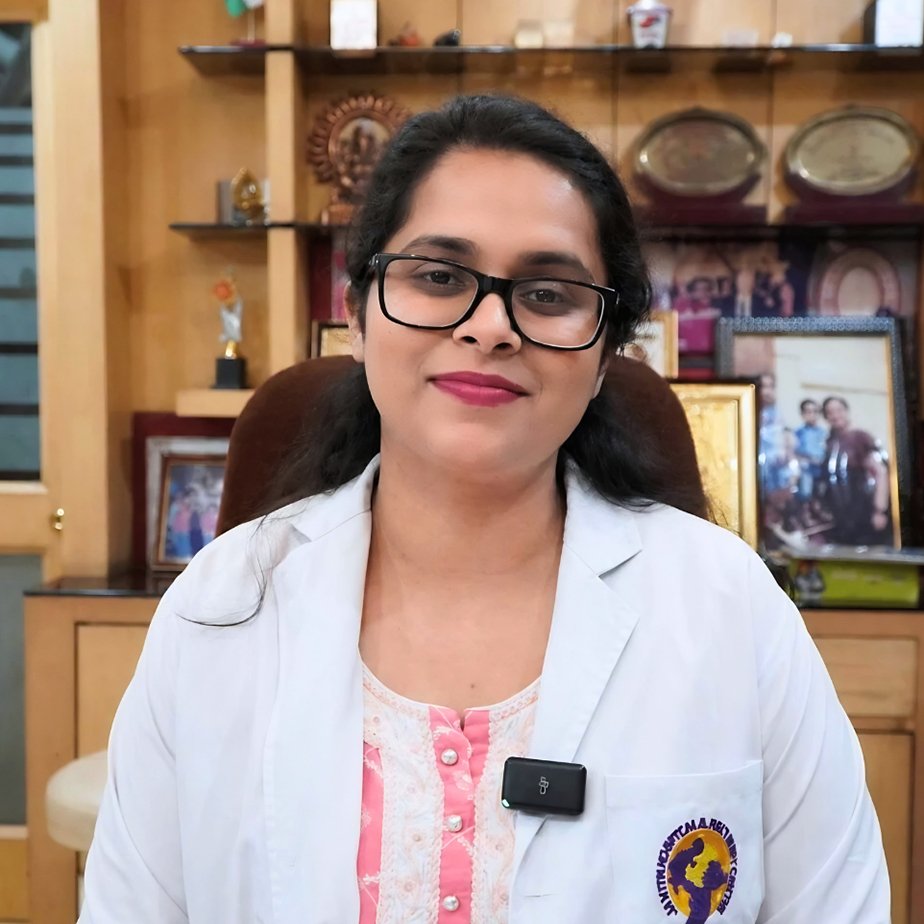
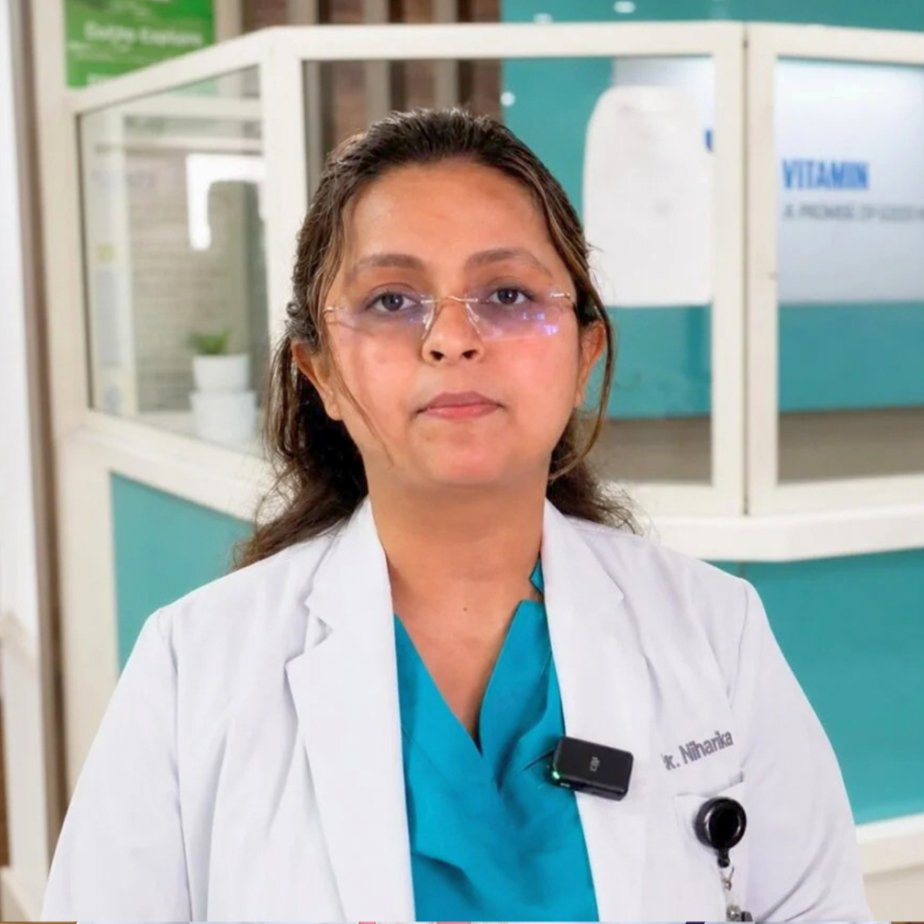
Medically reviewed by Dr. Niharika Tyagi — Fetal Medicine & High-Risk Pregnancy, Javitri Hospital · FMF (UK) certified · King’s College London trained.

What Is Preterm Birth?

A preterm birth, also called premature birth, is when a baby is born before 37 completed weeks of pregnancy. A full-term pregnancy lasts about 40 weeks, so babies born early have had less time to grow and develop — which is why a preborn baby often needs extra support after birth, particularly with breathing, feeding and staying warm.

Preterm birth is grouped by how early the baby arrives: late preterm (34 to 37 weeks), moderately preterm (32 to 34 weeks), very preterm (28 to 32 weeks), and extremely preterm (before 28 weeks). The earlier a baby is born, the more support it usually needs. At Javitri, preterm care is coordinated between our fetal medicine, high-risk obstetric and neonatal teams, so the same hospital that manages your pregnancy also cares for your baby in the NICU. You can read more about our high-risk pregnancy care.

PRETERM BIRTH AT A GLANCE
DefinitionBirth before 37 weeks
Late preterm34–37 weeks
Very preterm28–32 weeks
Extremely pretermBefore 28 weeks
Care led byFetal medicine specialist
Newborn backup30-bed NICU on site

Recognising Preterm Labour in Pregnancy

Preterm labour is labour that begins before 37 weeks. Knowing the warning signs and acting quickly gives doctors the best chance to slow things down and prepare your baby for an early arrival. Contact us straight away if you notice any of the following before 37 weeks.

If you notice any of these signs before 37 weeks, call +91 99360 68274 at any hour — our labour room is staffed 24/7.

Who Is at Higher Risk of Preterm Birth?

Preterm birth can happen to anyone, and often there is no clear cause. But some factors make an early delivery more likely, and knowing them helps us watch your pregnancy more closely from the start.

  • A previous preterm birth or late miscarriage
  • Carrying twins, triplets or more
  • A short cervix, or previous cervical surgery
  • Infections of the urinary tract or vagina
  • High blood pressure, pre-eclampsia or diabetes
  • A short gap between pregnancies, or pregnancy at a very young or older age

If any of these apply to you, our team plans extra checks — such as cervical length scans — from early in your pregnancy. Read about our complete pregnancy care or meet Dr. Niharika Tyagi, our fetal medicine specialist.

HOW WE HELP PREVENT PRETERM BIRTH
Cervical length scanFrom around 16–20 weeks
Cervical stitchWhen indicated
Progesterone supportFor selected mothers
Infection screeningUrine & vaginal checks
Steroid injectionsTo mature baby’s lungs
NICU on standby30 beds, 24/7

How We Manage Preterm Labour

When preterm labour is caught early, there is often a lot we can do — both to delay the birth safely and to prepare your baby for an early arrival.

Preterm Delivery — What to Expect

A preterm delivery is planned around what is safest for you and your baby. Depending on how early labour begins, the position of the baby and your overall health, an early birth may still be a vaginal delivery, or it may be a caesarean. Your doctor will explain the safest route for your situation, and because our labour room and operation theatres are staffed around the clock, we are ready for a preterm delivery at any hour.

Whatever the plan, senior obstetric, anaesthetic and neonatal teams are present at a preterm birth, so your preborn baby receives expert care from the very first moment. Our team is fully prepared for a caesarean if it becomes the safer option, and painless delivery is available where appropriate.

NICU Care for Your Preborn Baby

Care does not stop at delivery. Our NICU, staffed by neonatologists around the clock, uses incubators, breathing support and continuous monitoring so premature babies receive expert care from the moment they are born. Being on the same premises means there is no transfer to another hospital — your preborn baby stays close to you. Learn about our NICU →

Your Preterm Care Team

Preterm pregnancies are cared for by our fetal medicine and high-risk obstetric specialists, supported by our neonatal team.

Dr. Niharika Tyagi

  • Head of Fetal Medicine
  • High-Risk & Preterm Pregnancy
  • FMF (UK) Certified

Dr. Rajul Tyagi

  • Director & Head of Infertility
  • Chief Consultant, IVF & Gynaecology
  • Cleveland Clinic Trained

Dr. Lavanya Tyagi

  • Senior IVF Specialist
  • Infertility & Reproductive Medicine
  • IVF Specialist

Dr. Niharika Tyagi

  • Head of Fetal Medicine
  • High-Risk & Preterm Pregnancy
  • FMF (UK) Certified

Dr. Rajul Tyagi

  • Director & Head of Infertility
  • Chief Consultant, IVF & Gynaecology
  • Cleveland Clinic Trained

Dr. Lavanya Tyagi

  • Senior IVF Specialist
  • Infertility & Reproductive Medicine
  • IVF Specialist

Preterm Birth & Delivery — FAQs

Preterm birth, also called premature birth, is when a baby is born before 37 completed weeks of pregnancy. A full-term pregnancy is around 40 weeks. Because a preterm baby has had less time to develop, it often needs extra support after birth — especially with breathing, feeding and keeping warm — which is why NICU care matters so much.

The main signs of preterm labour are regular tightening or cramps (more than four in an hour), a gush or trickle of fluid from your waters breaking, constant low backache or pelvic pressure, a sudden change in vaginal discharge, any bleeding, or reduced baby movements — all before 37 weeks. If you notice any of these, contact us the same hour, as early action can help.

Sometimes. When preterm labour is caught early, medicines can often slow or pause contractions for a short time, and steroid injections can be given to mature the baby’s lungs. Even when birth cannot be prevented, this preparation makes a real difference to how well a preborn baby does after delivery.

Often there is no single cause. Known risk factors include a previous preterm birth, carrying twins or triplets, a short cervix, infections, high blood pressure or diabetes, and a short gap between pregnancies. Because it is not always predictable, we watch higher-risk pregnancies more closely from early on.

Many preterm babies need care in the NICU for a period after birth — for help with breathing, feeding, temperature and monitoring. How long depends on how early the baby was born and its progress. Our 30-bed NICU is on the same premises and staffed by neonatologists around the clock, so your preborn baby stays close to you.

No. A preterm delivery can be a vaginal birth or a caesarean, depending on how labour begins, the baby’s position and your health. Your doctor will explain the safest route for your situation. Our labour room and operation theatres are staffed 24/7, so we are ready either way.

Not always, but the risk can be reduced. For mothers at higher risk, we offer cervical length scans, a cervical stitch or progesterone support when appropriate, screening and treatment of infections, and close monitoring. Good antenatal care from early in pregnancy is the single most helpful step.

Attend all your antenatal checkups, tell your doctor if you have had a preterm birth before, treat urinary or vaginal infections promptly, manage blood pressure and sugar, stay well hydrated and rest as advised. If you carry any risk factors, our team will plan extra monitoring for you from early on.

Expert Preterm Birth & Delivery Care in Lucknow, Since 1997

From recognising early signs of preterm labour to caring for your preborn baby in the NICU, preterm pregnancy care at Javitri Hospital brings fetal medicine, high-risk obstetric care and a 30-bed NICU together under one roof. Our fetal medicine specialist leads the monitoring, and because we are a complete hospital, the same team looks after you through pregnancy, a preterm delivery and newborn care — with no transfer to another hospital.

To plan your preterm and high-risk pregnancy care, call +91 99360 68274 or email info@javitrihospital.co.in. Our centres are in Telibagh and Badshahnagar, Lucknow, and Swaroop Nagar, Kanpur.

Worried About Preterm Labour? Talk to Our Team

Speak with our fetal medicine team about your pregnancy and a monitoring plan. Your first consultation is free.

📅 Book a Consultation → 📞 Call +91 99360 68274