10–20% of Recognised Pregnancies End in Miscarriage
Most First-Trimester Miscarriages Are Due to Chromosomal Errors

Miscarriage and Abortion Care Compassionate, Expert Support.

Pregnancy loss, whether spontaneous miscarriage or abortion after IVF, is one of the most difficult experiences a couple can face. At Javitri Hospital, we provide expert clinical management and a thorough investigation programme to understand why it happened and help you achieve a successful pregnancy next time.

NABH Certified centre for D&C, ERPC, and recurrent miscarriage care

4.9★ Google rating
· 1,840+ reviews
Book Your Appointment

🪡 Minimally Invasive Procedure
🧪 Expert Semen Preparation
📊 Personalised Ovulation Monitoring
🏆 NABH · ISAR · ISO Certified
📍 3 Clinics, Lucknow & Kanpur

Miscarriage and Abortion — What You Need to Know

Miscarriage and abortion both refer to the ending of a pregnancy before the foetus can survive outside the womb. A miscarriage (spontaneous abortion) occurs naturally — due to chromosomal abnormality, uterine problems, or hormonal causes — and affects 10–20% of clinically recognised pregnancies. An induced abortion (MTP — Medical Termination of Pregnancy) is an intentional procedure. Both require careful medical or surgical management and, in the case of recurrent miscarriage or abortion after IVF, a thorough investigation to prevent future losses.

At Javitri Hospital, we manage all forms of pregnancy loss — from single miscarriage requiring D&C or medical management, to recurrent miscarriage investigation and treatment, to abortion after IVF requiring a specialist review and protocol revision for the next cycle.

Miscarriage & Abortion — At a Glance
Miscarriage Prevalence 10–20% of pregnancies
Recurrent Miscarriage 3+ consecutive losses
IVF Abortion Loss after confirmed IVF pregnancy
Commonest Cause Chromosomal abnormality (50–60%)
Surgical Management D&C · ERPC
Medical Management Misoprostol / Mifepristone
IVF Prevention PGT-A (chromosomal screening)
Investigation Includes Chromosomal · Uterine · Hormonal

Types of Miscarriage and Abortion We Manage

Myths & Facts About Delivery Without Labour Pain

How We Investigate Recurrent Miscarriage

Miscarriage and Abortion Treatment Options at Javitri Hospital

Every treatment is recommended based on individual clinical assessment. Your specialist advises the right approach at the first consultation.

IVF Abortion — What the Investigation Covers
POC Karyotype Chromosomal analysis of miscarried tissue
Parental Karyotype Balanced chromosomal translocation testing
Hysteroscopy Direct uterine cavity inspection
Thrombophilia Screen Antiphospholipid antibodies · LMWH
Hormonal Panel TSH · Thyroid Ab · Progesterone · Prolactin
Immune Markers NK cell assessment (recurrent IVF abortion)
PGT-A Planning Embryo chromosomal screening (next cycle)

⚠️ Important: After a single IVF abortion, PGT-A is not always mandatory — chromosomal abnormality in a single embryo is common and may not recur. However, after two or more IVF abortions, PGT-A combined with a full investigation panel significantly improves the chance of a successful subsequent pregnancy.

Abortion After IVF — Expert Management & Prevention

Abortion after IVF — whether a chemical pregnancy, early clinical miscarriage, or missed abortion — is an especially difficult experience. It combines the physical pain of pregnancy loss with the emotional and financial weight of an IVF cycle. At Javitri Hospital, we treat every case of IVF abortion with dedicated, structured care.

What is IVF Abortion?

IVF abortion refers to any pregnancy loss that occurs following a successful embryo transfer — including chemical pregnancy (positive HCG with no sac on scan), early clinical miscarriage (confirmed intrauterine pregnancy lost before 12 weeks), and missed abortion (absent fetal heartbeat on scan). The cause is most commonly chromosomal abnormality in the embryo, but uterine, hormonal, and immunological factors also play a role.

Our Protocol After Abortion Following IVF

  1. Immediate management — medical (misoprostol) or surgical D&C/ERPC to safely complete the miscarriage process with minimal discomfort.
  2. Tissue analysis — where possible, products of conception are sent for chromosomal analysis (POC karyotype) to confirm whether chromosomal abnormality was the cause.
  3. Uterine assessment — hysteroscopy to evaluate the endometrium for adhesions, polyps, or other structural causes before the next embryo transfer.
  4. Full investigation panel — thrombophilia screen, hormonal profile, immune markers — to identify correctable causes for the next cycle.
  5. Protocol revision — PGT-A on all embryos for the next IVF cycle, progesterone optimisation, LMWH if indicated — to maximise success and prevent recurrence.
Situation Recommended Approach
Single miscarriage, no prior history Basic investigation + expectant management
Single abortion after IVF POC karyotype + uterine review before next transfer
Two or more IVF abortions Full panel + PGT-A in next IVF cycle
Recurrent miscarriage (3+) Complete investigation + targeted treatment before next attempt

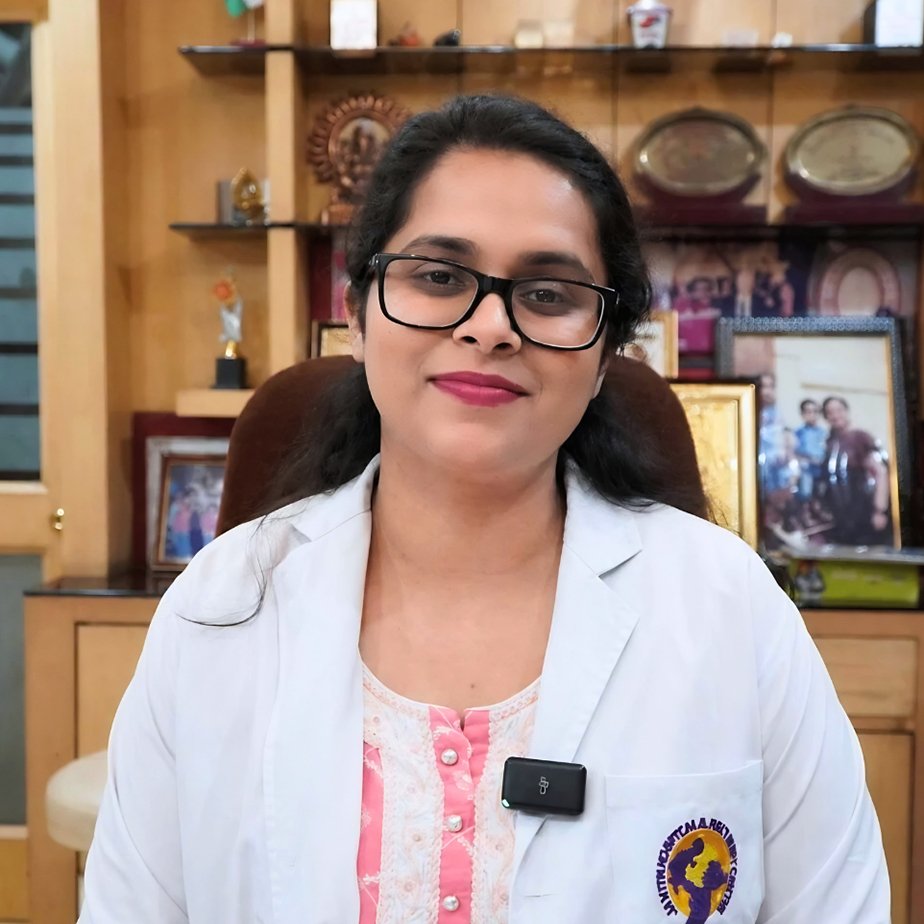
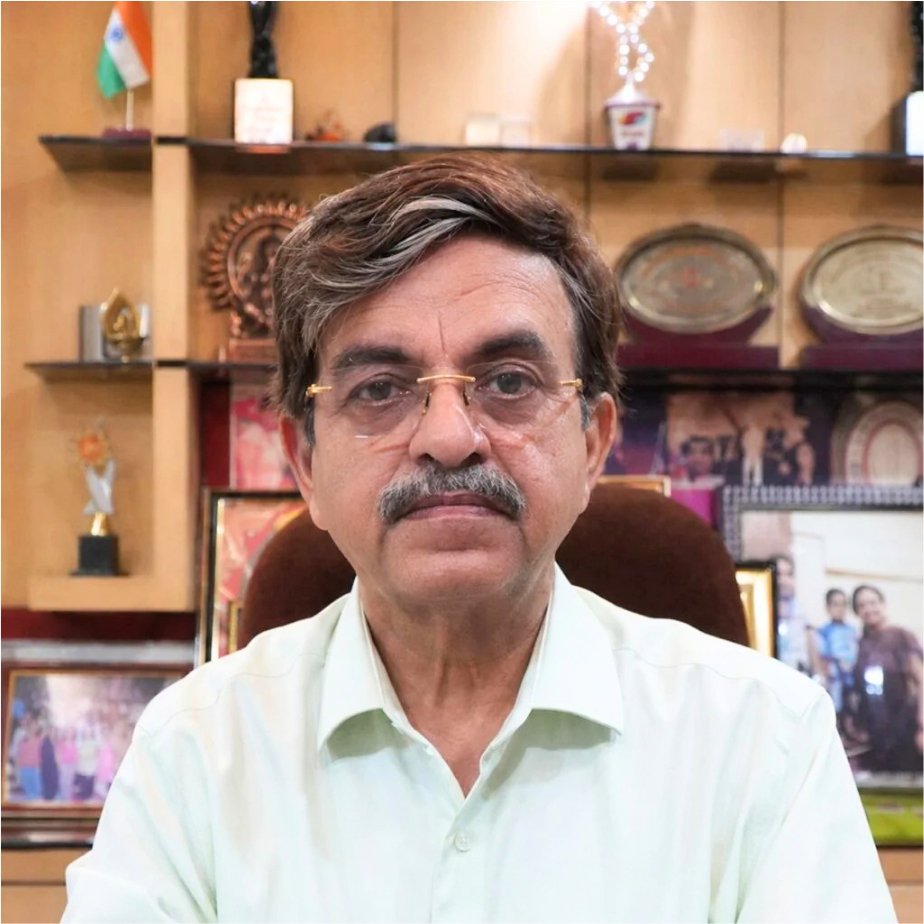
Miscarriage & Abortion Specialists at Javitri Hospital

Our internationally trained specialists bring global expertise to Lucknow & Kanpur’s best IVF hospital, combining decades of experience with cutting-edge reproductive medicine.

Dr. Isha Tyagi

  • ENT Specialist
  • Otorhinolaryngology
  • ENT Surgeon

Dr. Rajul Tyagi

  • Director & Head of Infertility
  • Chief Consultant, IVF & Gynaecology
  • Cleveland Clinic Trained

Dr. Lavanya Tyagi

  • Senior IVF Specialist
  • Infertility & Reproductive Medicine
  • IVF Specialist

Dr. Niharika Tyagi

  • IVF & Fertility Consultant
  • Reproductive Endocrinology
  • Fertility Expert

Get Answers After Pregnancy Loss — Start Here

A single consultation gives you a clear clinical picture — what caused the loss, what investigation is needed, and what the right next step is for your situation.

Immediate management — D&C, ERPC, or medical options

Full recurrent miscarriage investigation if needed

Specialist review after abortion following IVF

PGT-A planning for next IVF cycle

Clear, compassionate, honest guidance

info@javitrihospital.co.in

Get Consultation Book Appointment

Miscarriage & Abortion Specialists at Javitri Hospital

Our internationally trained specialists bring global expertise to Lucknow & Kanpur’s best IVF hospital, combining decades of experience with cutting-edge reproductive medicine.

Dr. Rajul Tyagi

  • Director & Head of Infertility
  • Chief Consultant, IVF & Gynaecology
  • Cleveland Clinic Trained

Dr. Lavanya Tyagi

  • Senior IVF Specialist
  • Infertility & Reproductive Medicine
  • IVF Specialist

Dr. Niharika Tyagi

  • IVF & Fertility Consultant
  • Reproductive Endocrinology
  • Fertility Expert

Dr. Isha Tyagi

  • ENT Specialist
  • Otorhinolaryngology
  • ENT Surgeon

What Our Patients Say

Miscarriage and Abortion — FAQs

Miscarriage and abortion both refer to the ending of a pregnancy before the foetus is viable, but they differ by cause and intent. A miscarriage — medically termed spontaneous abortion — is an unintentional pregnancy loss caused by chromosomal abnormality, uterine problems, hormonal imbalance, or blood clotting disorders. An induced abortion (MTP — Medical Termination of Pregnancy) is an intentional procedure. In clinical practice, the term “miscarriage” is more commonly used for spontaneous losses, while “abortion” appears in both the medical classification of miscarriage types (missed abortion, threatened abortion, incomplete abortion) and in the context of induced MTP. Both require sensitive, expert medical care.

The clinical types of miscarriage (spontaneous abortion) include: Threatened abortion — bleeding with a closed cervix, pregnancy may continue; Inevitable abortion — open cervix, loss cannot be prevented; Incomplete abortion — partial passage of products with retained tissue requiring D&C or medical management; Complete abortion — all products passed naturally; Missed abortion — embryo has died but not yet passed, confirmed by absent heartbeat on scan; Recurrent miscarriage (habitual abortion) — three or more consecutive losses requiring full investigation; Chemical pregnancy — a very early loss before a gestational sac is visible on ultrasound, common in IVF cycles.

Abortion after IVF refers to pregnancy loss that occurs following a successful embryo transfer — when the embryo has implanted and pregnancy is confirmed by HCG blood test, but is subsequently lost. This includes chemical pregnancy (positive HCG, no visible sac on scan), early clinical miscarriage (confirmed intrauterine pregnancy lost before 12 weeks), and missed abortion (absent fetal heartbeat on scan). The most common cause of abortion after IVF is chromosomal abnormality in the embryo — this is not prevented by standard IVF and requires Pre-implantation Genetic Testing (PGT-A) to screen embryos before transfer. Other causes include uterine abnormalities, thrombophilia, hormonal imbalance, and immunological factors.

Javitri Hospital provides the most comprehensive miscarriage and abortion care programme in Lucknow — combining immediate clinical management (D&C, ERPC, medical management), thorough recurrent miscarriage investigation (chromosomal, uterine, hormonal, immunological), and advanced IVF-linked care including Pre-implantation Genetic Testing (PGT-A) for cases of abortion after IVF. Furthermore, three experienced specialists — Dr. Rajul Tyagi (30+ years, trained at Cleveland Clinic USA and University Hospital Brussels Belgium), Dr. Archana Rastogi, and Dr. Shivani Agarwal — ensure every case of miscarriage abortion, IVF abortion, or recurrent pregnancy loss is managed to the highest international standard, with compassion and complete confidentiality.

For most women, it is physically safe to attempt pregnancy again after one or two natural menstrual cycles following a miscarriage — this allows the uterine lining to recover fully. However, for recurrent miscarriage or abortion after IVF, it is strongly advisable to complete a full investigation — and act on the findings — before attempting the next pregnancy. Rushing into another attempt without understanding the cause of the previous loss risks a further loss from the same, untreated cause. Your specialist at Javitri Hospital will advise the right timeline and preparation protocol based on your individual investigation results.

No. D&C is not always necessary. For a complete miscarriage where all products of conception have passed naturally, no surgical procedure is needed. For a threatened miscarriage where the pregnancy is ongoing, D&C is not indicated. D&C or ERPC (Evacuation of Retained Products of Conception) is recommended for missed abortion (embryo has died but not passed), incomplete miscarriage (retained products of conception on scan), heavy ongoing bleeding, or infection risk. Medical management with misoprostol or mifepristone is often a safe, effective alternative to surgery for many women. Your specialist at Javitri Hospital will advise the right option based on your individual situation.

Yes, in many cases abortion after IVF can be prevented once the cause is identified. Pre-implantation Genetic Testing — PGT-A — screens all IVF embryos for chromosomal abnormalities before transfer, directly addressing the most common cause. Uterine abnormalities such as polyps or a septum are corrected by hysteroscopy before the next transfer. Antiphospholipid syndrome and thrombophilia are treated with low-molecular-weight heparin (LMWH) and aspirin. Progesterone and thyroid hormone levels are optimised. Consequently, at Javitri Hospital, many couples who have experienced repeated abortion after IVF go on to achieve a successful pregnancy with a tailored protocol.

After recurrent miscarriage abortion (three or more losses), the investigation panel at Javitri Hospital covers: chromosomal karyotype of both partners (to detect balanced translocations); hysteroscopy and 3D ultrasound (to detect uterine septum, fibroids, polyps, adhesions); thrombophilia screen (antiphospholipid antibodies, lupus anticoagulant, Factor V Leiden, MTHFR); hormonal panel (TSH, thyroid antibodies, FSH, LH, prolactin, progesterone); immune markers (natural killer cell assessment where indicated); and POC karyotype of miscarried tissue where available. Treatment is then directly targeted at the identified cause.

IVF abortion management at Javitri Hospital follows a structured five-step protocol. First, the immediate loss is managed sensitively — medically with misoprostol or surgically with D&C/ERPC where indicated. Second, the miscarried tissue is sent for chromosomal analysis (POC karyotype) to confirm the cause. Third, hysteroscopy assesses the uterine cavity for structural issues before the next transfer. Fourth, a full investigation panel — thrombophilia screen, hormonal profile, immune markers — identifies correctable causes. Fifth, protocol revision is planned: PGT-A on embryos in the next IVF cycle, progesterone optimisation, and LMWH if thrombophilia is found. The goal is always to understand why the IVF abortion occurred and ensure the next transfer has the best possible chance of success.

Recurrent miscarriage (three or more consecutive losses) is caused by chromosomal abnormalities in embryos (50–60% of cases), uterine structural problems such as septum, submucous fibroids, polyps or Asherman’s syndrome, thrombophilia and antiphospholipid syndrome (blood clotting disorders that deprive the embryo of nutrients), hormonal imbalances including thyroid dysfunction, PCOS, and low progesterone, immunological factors such as elevated natural killer cell activity, and — in approximately 3–5% of couples — parental chromosomal translocations. At Javitri Hospital, a comprehensive investigation panel covers all of these causes.

Miscarriage and Abortion — FAQs

Miscarriage and abortion both refer to the ending of a pregnancy before the foetus is viable, but they differ by cause and intent. A miscarriage — medically termed spontaneous abortion — is an unintentional pregnancy loss caused by chromosomal abnormality, uterine problems, hormonal imbalance, or blood clotting disorders. An induced abortion (MTP — Medical Termination of Pregnancy) is an intentional procedure. In clinical practice, the term “miscarriage” is more commonly used for spontaneous losses, while “abortion” appears in both the medical classification of miscarriage types (missed abortion, threatened abortion, incomplete abortion) and in the context of induced MTP. Both require sensitive, expert medical care.

The clinical types of miscarriage (spontaneous abortion) include: Threatened abortion — bleeding with a closed cervix, pregnancy may continue; Inevitable abortion — open cervix, loss cannot be prevented; Incomplete abortion — partial passage of products with retained tissue requiring D&C or medical management; Complete abortion — all products passed naturally; Missed abortion — embryo has died but not yet passed, confirmed by absent heartbeat on scan; Recurrent miscarriage (habitual abortion) — three or more consecutive losses requiring full investigation; Chemical pregnancy — a very early loss before a gestational sac is visible on ultrasound, common in IVF cycles.

Abortion after IVF refers to pregnancy loss that occurs following a successful embryo transfer — when the embryo has implanted and pregnancy is confirmed by HCG blood test, but is subsequently lost. This includes chemical pregnancy (positive HCG, no visible sac on scan), early clinical miscarriage (confirmed intrauterine pregnancy lost before 12 weeks), and missed abortion (absent fetal heartbeat on scan). The most common cause of abortion after IVF is chromosomal abnormality in the embryo — this is not prevented by standard IVF and requires Pre-implantation Genetic Testing (PGT-A) to screen embryos before transfer. Other causes include uterine abnormalities, thrombophilia, hormonal imbalance, and immunological factors.

Javitri Hospital provides the most comprehensive miscarriage and abortion care programme in Lucknow — combining immediate clinical management (D&C, ERPC, medical management), thorough recurrent miscarriage investigation (chromosomal, uterine, hormonal, immunological), and advanced IVF-linked care including Pre-implantation Genetic Testing (PGT-A) for cases of abortion after IVF. Furthermore, three experienced specialists — Dr. Rajul Tyagi (30+ years, trained at Cleveland Clinic USA and University Hospital Brussels Belgium), Dr. Archana Rastogi, and Dr. Shivani Agarwal — ensure every case of miscarriage abortion, IVF abortion, or recurrent pregnancy loss is managed to the highest international standard, with compassion and complete confidentiality.

For most women, it is physically safe to attempt pregnancy again after one or two natural menstrual cycles following a miscarriage — this allows the uterine lining to recover fully. However, for recurrent miscarriage or abortion after IVF, it is strongly advisable to complete a full investigation — and act on the findings — before attempting the next pregnancy. Rushing into another attempt without understanding the cause of the previous loss risks a further loss from the same, untreated cause. Your specialist at Javitri Hospital will advise the right timeline and preparation protocol based on your individual investigation results.

No. D&C is not always necessary. For a complete miscarriage where all products of conception have passed naturally, no surgical procedure is needed. For a threatened miscarriage where the pregnancy is ongoing, D&C is not indicated. D&C or ERPC (Evacuation of Retained Products of Conception) is recommended for missed abortion (embryo has died but not passed), incomplete miscarriage (retained products of conception on scan), heavy ongoing bleeding, or infection risk. Medical management with misoprostol or mifepristone is often a safe, effective alternative to surgery for many women. Your specialist at Javitri Hospital will advise the right option based on your individual situation.

Yes, in many cases abortion after IVF can be prevented once the cause is identified. Pre-implantation Genetic Testing — PGT-A — screens all IVF embryos for chromosomal abnormalities before transfer, directly addressing the most common cause. Uterine abnormalities such as polyps or a septum are corrected by hysteroscopy before the next transfer. Antiphospholipid syndrome and thrombophilia are treated with low-molecular-weight heparin (LMWH) and aspirin. Progesterone and thyroid hormone levels are optimised. Consequently, at Javitri Hospital, many couples who have experienced repeated abortion after IVF go on to achieve a successful pregnancy with a tailored protocol.

After recurrent miscarriage abortion (three or more losses), the investigation panel at Javitri Hospital covers: chromosomal karyotype of both partners (to detect balanced translocations); hysteroscopy and 3D ultrasound (to detect uterine septum, fibroids, polyps, adhesions); thrombophilia screen (antiphospholipid antibodies, lupus anticoagulant, Factor V Leiden, MTHFR); hormonal panel (TSH, thyroid antibodies, FSH, LH, prolactin, progesterone); immune markers (natural killer cell assessment where indicated); and POC karyotype of miscarried tissue where available. Treatment is then directly targeted at the identified cause.

IVF abortion management at Javitri Hospital follows a structured five-step protocol. First, the immediate loss is managed sensitively — medically with misoprostol or surgically with D&C/ERPC where indicated. Second, the miscarried tissue is sent for chromosomal analysis (POC karyotype) to confirm the cause. Third, hysteroscopy assesses the uterine cavity for structural issues before the next transfer. Fourth, a full investigation panel — thrombophilia screen, hormonal profile, immune markers — identifies correctable causes. Fifth, protocol revision is planned: PGT-A on embryos in the next IVF cycle, progesterone optimisation, and LMWH if thrombophilia is found. The goal is always to understand why the IVF abortion occurred and ensure the next transfer has the best possible chance of success.

Recurrent miscarriage (three or more consecutive losses) is caused by chromosomal abnormalities in embryos (50–60% of cases), uterine structural problems such as septum, submucous fibroids, polyps or Asherman’s syndrome, thrombophilia and antiphospholipid syndrome (blood clotting disorders that deprive the embryo of nutrients), hormonal imbalances including thyroid dysfunction, PCOS, and low progesterone, immunological factors such as elevated natural killer cell activity, and — in approximately 3–5% of couples — parental chromosomal translocations. At Javitri Hospital, a comprehensive investigation panel covers all of these causes.

Related Treatments at Javitri Hospital

Miscarriage & Abortion Care Clinics in Lucknow & Kanpur

All three centres are equipped with advanced fertility labs, dedicated consultation rooms, and experienced fertility specialists, so you can receive world-class care close to home.

Lucknow – Telibagh
Main Hospital & IVF Lab

Address : Raebareli Road, Telibagh, Lucknow – 226025

Phone : +91 99360 68274

Hours :  24/7 Patient  Care

Services : IVF, IUI, ICSI, NICU, High-Risk Pregnancy, Delivery

Get Direction

Lucknow – Badshahnagar
Fertility Clinic & OPD

Address : Center Cross Road, Plaza Badshahnagar, Lucknow

Phone : +91 75720 71497

Hours : 24/7 Patient  Care

Services :IVF Consultations, IUI, Fertility Assessment, Gynaecology

Get Direction

Kanpur – Swaroop Nagar (NEW)
IVF & Fertility Clinic

Address : Near Moti Jheel Metro Station, Swaroop Nagar, Kanpur

Phone : +91 73555 78735

Hours : 24/7 Patient  Care

Services :IVF, IUI, ICSI, Fertility Consultations, Gynaecology

Get Direction

Miscarriage and Abortion Treatment in Lucknow — Comprehensive Care at Javitri Hospital

Expert Miscarriage & Abortion Care

Javitri Hospital provides the most comprehensive miscarriage and abortion care programme in Lucknow — combining immediate clinical management with thorough investigation and next-pregnancy planning. Whether you have experienced a single miscarriage or multiple losses, our three-specialist team offers the full spectrum of care: medical management with misoprostol, surgical D&C / ERPC, recurrent miscarriage investigation, and protocol planning for the next pregnancy.

Furthermore, for couples experiencing miscarriage abortion in the context of recurrent loss, our complete investigation panel — chromosomal, uterine, hormonal, and immunological — identifies the cause in the majority of cases, enabling targeted treatment and significantly improving the outcome of future pregnancies.

Specialist IVF Abortion Care in Lucknow

Javitri Hospital is one of the few fertility centres in Lucknow offering a dedicated abortion after IVF investigation and prevention protocol. Every case of IVF abortion — chemical pregnancy, early miscarriage, or missed abortion following embryo transfer — receives a structured review: POC karyotype, hysteroscopy, thrombophilia screen, hormonal panel, and PGT-A planning for the next cycle.

To book a confidential consultation with our miscarriage and abortion specialists, call +91 99360 68274 or email info@javitrihospital.co.in. Our centres in Telibagh, Badshahnagar (Lucknow), and Swaroop Nagar (Kanpur) are available 7 days a week.

Get Expert Miscarriage & Abortion Care at Javitri Hospital

Compassionate, evidence-based care. Complete investigation. A clear path forward.

Book Free Consultation →

📞 +91-99360-68274 | ✉ info@javitrihospital.co.in 

Lucknow · Kanpur · NABH · ISAR · ISO