Diabetes and IVF Care · Javitri Hospital, Lucknow

Diabetes & IVF Treatment in Lucknow: Safe Fertility Care When You Have Diabetes

Diabetes & IVF can go together safely. Many women and men with type 1 diabetes, type 2 diabetes or a past history of gestational diabetes become parents through IVF. What matters most is good blood sugar control before treatment begins, a stimulation plan adjusted for your body, and close monitoring until your baby is born.

At Javitri Hospital & Test Tube Baby Centre, Lucknow, our fertility specialists plan IVF diabetes care together with your own diabetologist or endocrinologist, so one clear plan covers insulin, tablets, IVF medicines and pregnancy follow-up.

Since 1997Caring for families in Lucknow
NABH accreditedIVF and embryology lab
1st in UPEmbryoscope embryo monitoring
4.8★ · 3,799+Verified Google reviews
Call +91 99360 68274 Book Appointment

Medically reviewed by Dr. Rajul Tyagi, Founder, Director and Chief Consultant, Javitri Hospital. Last reviewed October 2026.

Diabetes and IVF: At a Glance

Suitable forType 1, type 2, past GDM
Sugar goal before IVFHbA1c below 6.5%
Folic acid5 mg daily, as advised
Key checksHbA1c, eyes, kidneys, thyroid
Treatment planIndividual protocol
Pregnancy careHigh risk care, NICU on site
Consultation feeRs 400 to Rs 600

Can You Have IVF If You Have Diabetes?

Yes. Diabetes is not a reason to be refused IVF. Fertility specialists treat women with type 1 and type 2 diabetes regularly, and ovarian stimulation medicines do not usually raise blood sugar by themselves. The real risk comes from poorly controlled sugar, because high glucose around conception and in early pregnancy can affect egg quality, embryo implantation, miscarriage and the baby’s early development.

That is why IVF with diabetes is planned differently from routine IVF. Instead of starting the cycle straight away, we first look at how stable your sugar has been over the last two to three months, review your medicines, and check for complications of diabetes that pregnancy can make worse. Treatment begins when your numbers and your health checks say the time is right.

Not sure whether you need IVF at all? Some women with diabetes conceive naturally, or with ovulation induction or IUI treatment, once their sugar is under control. Our specialists will tell you honestly which option fits your age, ovarian reserve and test results.

About 101 million

Diabetes is also very common in India. The ICMR-INDIAB study, published in The Lancet Diabetes & Endocrinology in 2023, estimated that about 101 million people in India live with diabetes, which is why preconception planning is an important part of fertility care today.

How Diabetes Affects Fertility

High blood sugar and insulin problems affect the reproductive system in both partners. Many of these effects improve when glucose control improves, which is why fertility treatment starts with diabetes care.

Effects on Female Fertility

  • Irregular or missed periods and delayed ovulation, because insulin and sex hormones influence each other.
  • Polycystic ovary syndrome (PCOS), which is common with type 2 diabetes and also seen with type 1 diabetes. See our page on PCOS and fertility.
  • Lower egg quality, because high glucose creates oxidative stress that can damage eggs.
  • A less receptive uterine lining, which can make implantation harder.
  • A higher chance of early miscarriage when sugar is high around conception.
  • Earlier menopause in some women with type 1 diabetes, so putting off fertility planning for many years can reduce options.

Effects on Male Fertility

Men with diabetes can also face fertility problems. High sugar can damage sperm DNA, affect sperm count and movement, lower testosterone and cause erectile dysfunction. Nerve damage may lead to retrograde ejaculation, where semen flows back into the bladder. A routine semen analysis does not show DNA damage, so a sperm DNA fragmentation test is often useful. Read more about male infertility treatment.

Insulin needed every day

Type 1 Diabetes and IVF

Type 1 diabetes is an autoimmune condition in which the body makes little or no insulin, so insulin is needed every day. Women with type 1 diabetes can have ovarian stimulation and IVF, and the outcome depends largely on how well sugar is controlled.

During type 1 diabetes and IVF planning we look at a few extra points. Insulin doses may change during stimulation, so we ask for glucose readings or continuous glucose monitor (CGM) data more often. Thyroid disease is more common in type 1 diabetes, so a thyroid check is advised. Because some women have a shorter reproductive window, an AMH test and early planning are sensible, and if you are not ready for pregnancy yet, egg freezing can be discussed.

Insulin resistance, weight and PCOS

Type 2 Diabetes and IVF

Type 2 diabetes is linked with insulin resistance, higher body weight and PCOS. These factors can lower the number and quality of eggs retrieved and affect the uterine lining.

Even a modest weight loss of 5 to 10 percent, together with a diet plan, regular activity and the right medicines, can improve ovulation and make IVF safer. Metformin is often continued when your doctor advises, while some other tablets are changed to insulin before pregnancy. PCOS raises the risk of ovarian hyperstimulation syndrome (OHSS), so we choose gentler stimulation and may freeze all embryos for a later transfer.

Getting Ready for IVF With Diabetes: Your Preconception Checklist

Two to three months of preparation can make IVF much safer. Our checklist follows international preconception guidance for diabetes, such as NICE guideline NG3, and is adjusted to your own health. Your Javitri fertility specialist and your diabetes doctor will finalise the plan together.

Blood Sugar Targets Before IVF

HbA1c shows your average blood sugar over roughly the last three months. NICE advises women with diabetes to aim for an HbA1c below 6.5% (48 mmol/mol) before pregnancy, if this can be reached without frequent low sugar episodes. Women with an HbA1c above 10% (86 mmol/mol) are strongly advised to delay pregnancy until it comes down.

HbA1c before IVF What it usually means for planning
Below 6.5% (48 mmol/mol) Target range. IVF can be planned once the other checks are clear.
6.5% to 10% Treatment is individualised. We work with your diabetes doctor to bring sugar down before stimulation starts.
Above 10% (86 mmol/mol) Pregnancy should be delayed. IVF is postponed while sugar control is improved.

HbA1c can read inaccurately in anaemia or thalassaemia trait, so we may also use fasting and after meal readings or CGM data. Please bring your glucose diary to the first visit.

Medicines to Review Before Conception

Never stop or change diabetes medicines on your own. Tell us about every medicine and supplement so the plan can be reviewed in advance.

  • Folic acid: NICE advises 5 mg daily, higher than the usual dose, from before conception until 12 weeks of pregnancy to lower the risk of neural tube defects. Your doctor will confirm your dose.
  • Statins and blood pressure tablets of the ACE inhibitor or ARB type are usually stopped before conception, or as soon as pregnancy is confirmed, and replaced with pregnancy-safe options.
  • Metformin may be continued in some women, while other diabetes tablets are usually changed to insulin before pregnancy.
  • Newer diabetes and weight loss injections (GLP-1 medicines) and SGLT2 tablets need to be reviewed before you try to conceive. GLP-1 medicines can also slow stomach emptying, so tell us about them before sedation for egg collection.

Eye, Kidney, Thyroid and Heart Checks

Pregnancy and a rapid fall in blood sugar can sometimes worsen existing diabetes complications, so we advise these checks before treatment:

  • A retinal (eye) examination, repeated during pregnancy if needed, because rapid sugar correction can temporarily worsen diabetic retinopathy.
  • Kidney tests, including serum creatinine and urine albumin to creatinine ratio.
  • Thyroid profile (TSH), especially with type 1 diabetes. See thyroid and IVF.
  • Blood pressure, lipid profile and weight, with an ECG when indicated.
  • Ovarian reserve (AMH and antral follicle count scan), a uterine scan, and a semen analysis for the partner.

Diet, Weight and Activity

Indian meals are often heavy on rice and chapati, so small changes make a big difference:

  • Fill half the plate with vegetables and salad, one quarter with dal, paneer, egg, fish or chicken, and one quarter with whole grains.
  • Choose millets, whole wheat, oats and parboiled or brown rice instead of polished rice and maida, and keep portion sizes steady.
  • Replace sugary drinks, sweets and bakery items with nuts, plain curd and fruit in measured portions.
  • Walk for about 30 minutes most days. A 10 minute walk after meals helps keep glucose steady.
  • Avoid smoking, tobacco and alcohol, which harm egg and sperm quality, and aim for 7 to 8 hours of sleep.

How We Adapt IVF for Diabetes

The steps of IVF are the same for every couple. What changes in an IVF diabetes plan is the monitoring, the timing and the safety margin built into each step.

Individual Stimulation Protocol

Fertility injections do not usually raise blood sugar much on their own, but insulin needs can change as hormone levels rise. We use the lowest effective doses, track follicle growth with scans and hormone tests, and ask for more frequent glucose readings during stimulation. Women with PCOS or a high number of follicles are at risk of OHSS, so we use an antagonist protocol and a trigger injection that lowers this risk.

Egg Collection Day

Egg collection is done under short sedation, which needs fasting. We plan the procedure early in the day, adjust insulin or tablets in advance as advised by your doctor, check glucose before and after, and keep treatment for low sugar ready. Please tell us if you use GLP-1 injections, because they can affect sedation safety.

Embryo Culture and the Freeze-All Option

Embryos are grown in our NABH accredited laboratory with Embryoscope time-lapse monitoring, and RI Witness helps trace every egg, sperm sample and embryo. If your sugar is not yet steady, if you are at risk of OHSS, or if the uterine lining is not ready, we can freeze all embryos through embryo freezing and transfer later in a calm, planned cycle. Learn more about our embryology lab.

Embryo Transfer and Single Embryo Transfer

We usually advise transferring one good embryo at a time. Twin pregnancy raises the risk of preterm birth, high blood pressure and gestational diabetes, and these risks are higher when diabetes is already present. After transfer, progesterone support is given and glucose checks continue, because hormone changes in the first weeks can shift insulin needs. See our overview of IVF treatment in Lucknow.

IVF When the Male Partner Has Diabetes

If the husband has diabetes, fertility tests should not be skipped, even when a routine semen report looks normal.

Tests We May Advise

  • Semen analysis for count, movement and shape of sperm.
  • Sperm DNA fragmentation (DFI) test, which shows DNA damage that a routine report cannot.
  • Hormone profile, including testosterone, FSH and LH.
  • HbA1c and a review of current diabetes medicines.

Treatment Options

Better sugar control and weight management can improve sperm health over about three months, which is the time sperm take to develop. ICSI treatment, in which one healthy sperm is injected into each egg, is commonly used when sperm quality is low or DNA damage is a concern. If retrograde ejaculation or erectile dysfunction prevents normal collection, sperm can be recovered from urine after ejaculation or retrieved surgically (TESA, PESA or TESE) and used with ICSI.

IVF and Gestational Diabetes

Gestational diabetes is high blood sugar that is first found during pregnancy. IVF and gestational diabetes can be connected in two ways: it can be part of your history, or it can appear during an IVF pregnancy.

If You Had Gestational Diabetes Before

A previous gestational diabetes pregnancy raises the chance of it happening again, and of developing type 2 diabetes later in life. Before IVF we advise an HbA1c or glucose tolerance test, weight and diet planning, and early screening in the next pregnancy.

Is the Risk of Gestational Diabetes Higher After IVF?

Some studies suggest that pregnancies conceived through IVF carry a higher chance of gestational diabetes. A study from Singapore published in Human Reproduction found that the increase was mainly in women who were overweight or obese, and not in those with a healthy weight. The research is still evolving, and risk also depends on age, PCOS and family history, so we treat early screening as routine.

How We Screen and Manage It

  • An early glucose test in the first trimester for women at higher risk, and a repeat glucose tolerance test at 24 to 28 weeks.
  • Dietary advice, home glucose monitoring, and insulin when needed, with metformin in selected cases.
  • Growth scans in the third trimester and a delivery plan agreed with your obstetric team.

For full details of antenatal sugar care, see our page on high risk pregnancy care.

Pregnancy Care After IVF With Diabetes

A positive pregnancy test is the first milestone, not the last. Women with diabetes need closer antenatal care to protect their own health and their baby’s.

  • An early dating scan, then a detailed anomaly scan and a fetal heart scan (fetal echocardiography) to look closely at the baby’s development.
  • Insulin dose review at every visit, because insulin needs usually fall in the first trimester and rise later in pregnancy.
  • Repeat eye and kidney checks, regular blood pressure monitoring, and low dose aspirin when your doctor advises it to lower the risk of pre-eclampsia.
  • Growth scans in the third trimester to check the baby’s size and the amniotic fluid.
  • Planned timing and mode of delivery, discussed with you well in advance. Diabetes alone does not mean you need a caesarean. See painless delivery and C-section care.
  • A Level III NICU on site, in case the baby needs support for low blood sugar or breathing after birth.
  • A sugar review after delivery and encouragement to breastfeed.

Risks of IVF With Diabetes and How We Reduce Them

The risks are real, but most of them can be prevented or lowered with planning and monitoring.

Risk Why it happens How we reduce it
Miscarriage High sugar around conception affects the embryo and the uterine lining. HbA1c target before stimulation and early pregnancy monitoring.
Birth defects High sugar in the first weeks of pregnancy can affect organ development. Preconception control, 5 mg folic acid and detailed scans.
OHSS PCOS and a high number of follicles make the ovaries over-respond. Individual protocol, safer trigger and freeze-all when needed.
Low or high sugar during treatment Fasting, hormone changes and stress alter insulin needs. Closer monitoring and a written insulin plan for egg collection day.
Eye and kidney complications Pregnancy or rapid sugar correction can worsen existing damage. Pre-treatment checks and follow-up during pregnancy.
Pre-eclampsia and preterm birth More common with diabetes and with twin pregnancy. Single embryo transfer, blood pressure monitoring and aspirin when advised.
Large baby and delivery problems High sugar in later pregnancy makes the baby grow larger. Growth scans, glucose control and planned delivery.
Ketoacidosis (type 1 diabetes) Illness, vomiting or missed insulin. Sick day plan, ketone testing and early contact with the team.

Why Choose Javitri Hospital for Diabetes & IVF Care?

Diabetes and IVF care works well when the fertility, obstetric and newborn teams are in one place. Here is what we offer, so you can compare clinics on facts:

Hospital Based IVF Centre

A hospital based IVF centre, with the Telibagh campus open 24 hours, so urgent sugar or pregnancy problems do not need a transfer to another hospital.

NABH Accredited Laboratory

An NABH accredited fertility laboratory with Embryoscope time-lapse monitoring and RI Witness traceability for eggs, sperm and embryos.

Fetal Medicine and NICU

Fetal medicine and high risk pregnancy care, with a Level III NICU on site.

Joined Up Diabetes Care

Coordination with your diabetologist or endocrinologist, so one agreed plan covers insulin, tablets and IVF medicines.

Clear Costs

A written IVF or IUI estimate with your first consultation, and 0% EMI financing available, so costs are clear before you decide.

Experience Since 1997

Fertility care in Lucknow and Kanpur since 1997, led by Dr. Rajul Tyagi with more than 30 years of IVF experience.

Consultation Fees and What to Bring

Your first consultation carries a consultation charge, and the fees are listed here so there are no surprises. Please bring the following to your visit:

  • Your latest HbA1c report and two weeks of glucose readings or a CGM report.
  • A list of all medicines, insulin types and doses, and supplements.
  • Reports of eye, kidney and thyroid tests, if already done.
  • Earlier IVF, IUI, scan and hormone reports, including AMH and the partner’s semen analysis.
  • The name and phone number of your diabetes doctor.

First Consultation Charges

Consultation with Dr. Rajul TyagiRs 600
Consultation with Dr. Niharika Tyagi or Dr. Lavanya TyagiRs 400
Ultrasound (if advised)Rs 800
Written IVF/IUI estimateIncluded

Our Fertility Specialists

Dr. Rajul Tyagi

Founder, Director and Chief Consultant, with more than 30 years in IVF and reproductive medicine and Chairperson of the ISAR UP Chapter.

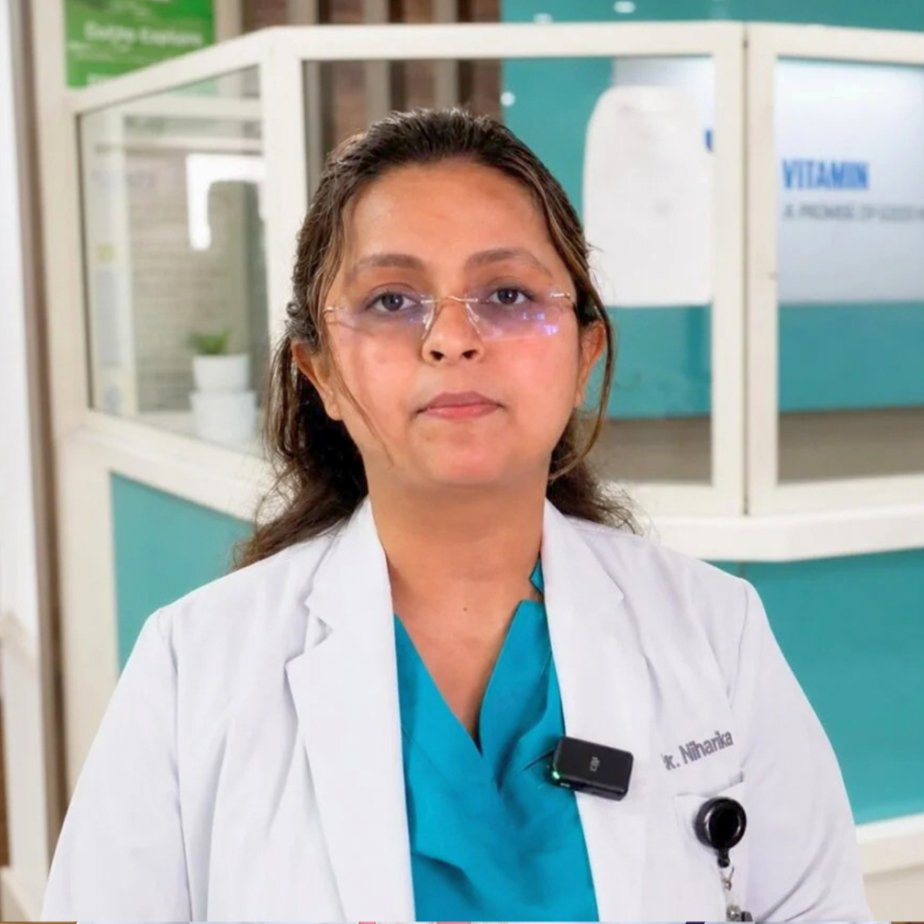
Dr. Niharika Tyagi

Infertility and fetal medicine specialist. Fetal scans and monitoring are an important part of pregnancies complicated by diabetes.

Dr. Lavanya Tyagi

Senior IVF specialist in infertility and reproductive medicine.

What Our Patients Say

Rated 4.8★ from 3,799 Google reviews.

Diabetes & IVF: Frequently Asked Questions

Yes. Women and men with type 1 diabetes, type 2 diabetes or a history of gestational diabetes can have IVF. The key is to bring your blood sugar into the target range before treatment, review your medicines, and monitor closely during stimulation, embryo transfer and pregnancy.

Poorly controlled diabetes can affect egg quality, implantation and early pregnancy, and it raises the chance of miscarriage. When sugar is well controlled and the protocol is tailored, diabetes by itself is not considered a reason for IVF to be less safe. Outcomes still depend on age, ovarian reserve and other factors, so we do not quote a single percentage for every couple.

NICE guidance advises women with diabetes to aim for an HbA1c below 6.5% (48 mmol/mol) before pregnancy, if it can be reached without frequent low blood sugar. If HbA1c is above 10% (86 mmol/mol), pregnancy should be delayed until it comes down. Your doctor will set the target that is safe for you.

Type 1 diabetes needs insulin throughout treatment, and insulin needs can change as hormone levels rise during stimulation. We ask for more frequent glucose readings or continuous glucose monitor data, check thyroid, eyes and kidneys, and plan egg collection carefully because it involves fasting and sedation.

IVF does not cause gestational diabetes directly, but some studies show it is more common in IVF pregnancies, especially in women who are overweight or have PCOS. Early screening, a healthy weight before treatment and regular glucose checks during pregnancy help to detect and manage it early.

Fertility injections do not usually raise blood sugar much on their own. However, rising hormone levels, stress, fasting and changes in routine can alter your insulin needs, so your doses may need small adjustments during stimulation. Never change your diabetes medicines without speaking to your doctor.

Many women continue insulin, and some continue metformin, but other tablets and newer injections may need to be changed or stopped before conception. Statins and certain blood pressure medicines are also reviewed. Bring a full list of your medicines to the first visit so the plan can be agreed with your diabetes doctor.

Yes. Diabetes can affect sperm DNA, sperm movement and erections, and can cause retrograde ejaculation, but these problems can be tested for and treated. ICSI, sperm retrieval and better sugar control often allow men with diabetes to become fathers.

No. Diabetes alone is not a reason for a caesarean. The mode and timing of delivery depend on your sugar control, the baby’s growth, blood pressure and obstetric history, and are decided together with you in the later weeks of pregnancy.

The consultation fee is Rs 600 with Dr. Rajul Tyagi and Rs 400 with Dr. Niharika Tyagi or Dr. Lavanya Tyagi. An ultrasound, if advised on the day, is Rs 800, and a written IVF or IUI estimate is included. Call +91 99360 68274 or use the appointment form on this page.

Book Your Diabetes & IVF Consultation

Call +91 99360 68274 or fill in the appointment form. Our team will confirm your appointment and tell you which reports to bring.

Visit Our IVF Centres in Lucknow and Kanpur

Telibagh, Lucknow
Main hospital and IVF lab

Address: Telibagh Chauraha, Raebareli Road, Lucknow 226025

Hours: Open 24/7, IVF OPD 9:00 AM to 5:00 PM

Phone: +91 99360 68274

Get Direction

Badshahnagar, Lucknow
Fertility clinic and OPD

Address: Center Cross Road, Plaza Badshahnagar, Lucknow 226007

Hours: IVF OPD 5:00 PM to 8:00 PM

Phone: +91 75720 71497

Get Direction

Swaroop Nagar, Kanpur
IVF and fertility clinic

Address: Near Moti Jheel Metro Station, Swaroop Nagar, Kanpur

Hours: Open 24/7, IVF OPD 9:00 AM to 5:00 PM

Phone: +91 73555 78735

Get Direction

References: NICE guideline NG3, Diabetes in pregnancy: management from preconception to the postnatal period; ICMR-INDIAB study, The Lancet Diabetes & Endocrinology, 2023.

This page is for general information and does not replace advice from your own doctor. Please do not start, stop or change any diabetes medicine without medical advice.

Plan Your Pregnancy With Diabetes the Safe Way

A clear plan before treatment protects you and your baby. Book a consultation with our fertility team in Lucknow.

Book Appointment Call +91 99360 68274

info@javitrihospital.co.in | Lucknow · Kanpur · NABH · ISAR · ISO